

Sensitive skin has become one of the most common skincare concerns worldwide. Environmental pollution, excessive exfoliation, UV exposure, stress, and overuse of active ingredients can all compromise the skin barrier, leading to redness, irritation, tightness, and stinging. While barrier-repair ingredients such as ceramides and panthenol remain essential, botanical extracts with scientifically supported anti-inflammatory properties are increasingly recognized for their ability to complement these formulations.
Among these botanicals, Portulaca oleracea extract, commonly known as purslane extract, has emerged as one of the most promising ingredients for calming reactive skin. Rich in antioxidants, omega-3 fatty acids, vitamins, polysaccharides, flavonoids, and glutathione, purslane provides a multifaceted approach to reducing visible signs of irritation while supporting overall skin resilience.
What Is Portulaca oleracea?
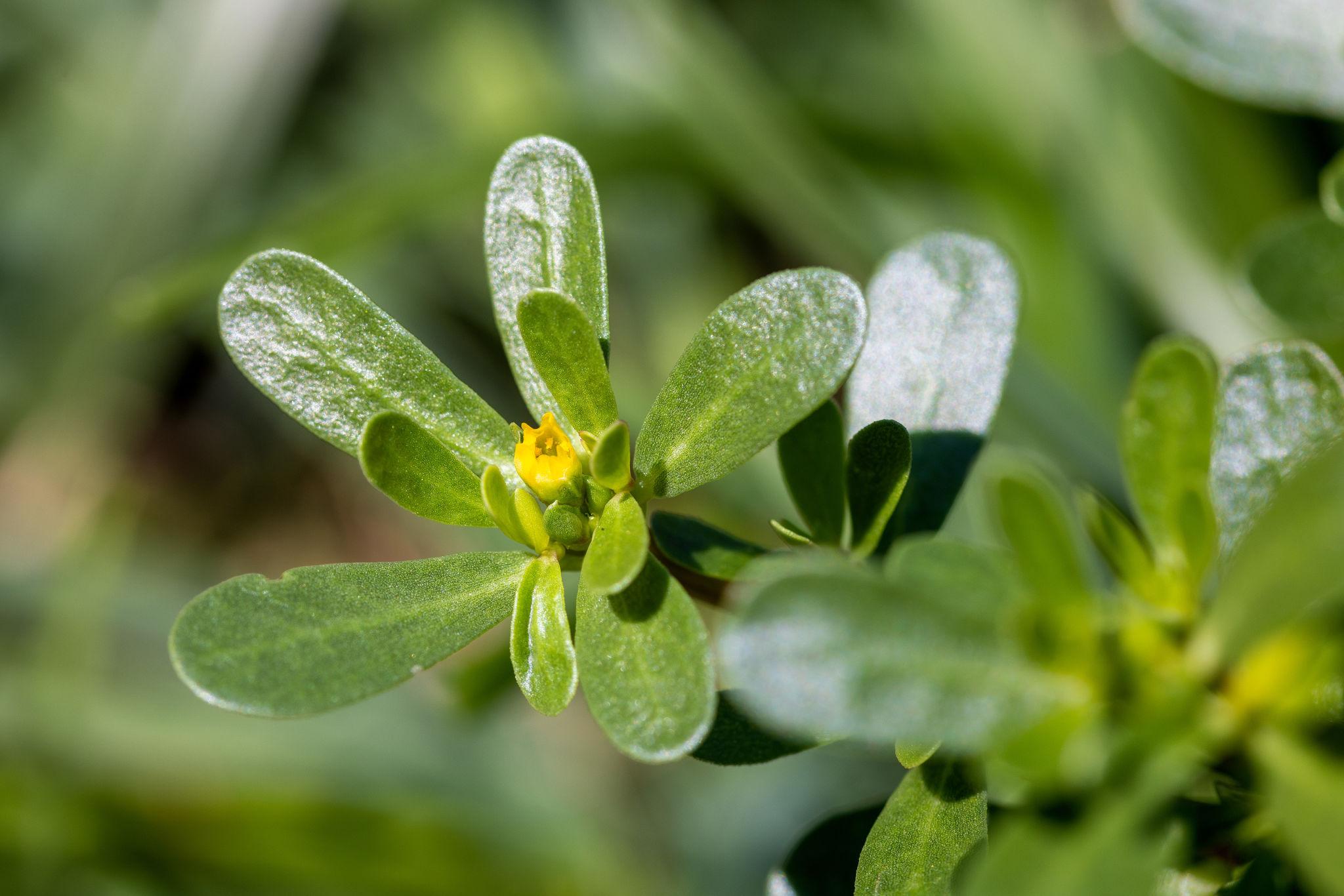
Portulaca oleracea is a succulent herb that has been consumed as both a vegetable and medicinal plant across Asia, Europe, and the Mediterranean for centuries. Modern phytochemical research has identified an impressive range of bioactive compounds within the plant, including:
- Alpha-linolenic acid (ALA), a plant-derived omega-3 fatty acid
- Vitamins A, C, and E
- Glutathione
- Flavonoids
- Polysaccharides
- Alkaloids
- Phenolic compounds
- Carotenoids
- Essential minerals
These compounds work together to provide antioxidant protection while helping regulate inflammatory responses within the skin.
Understanding Reactive Skin
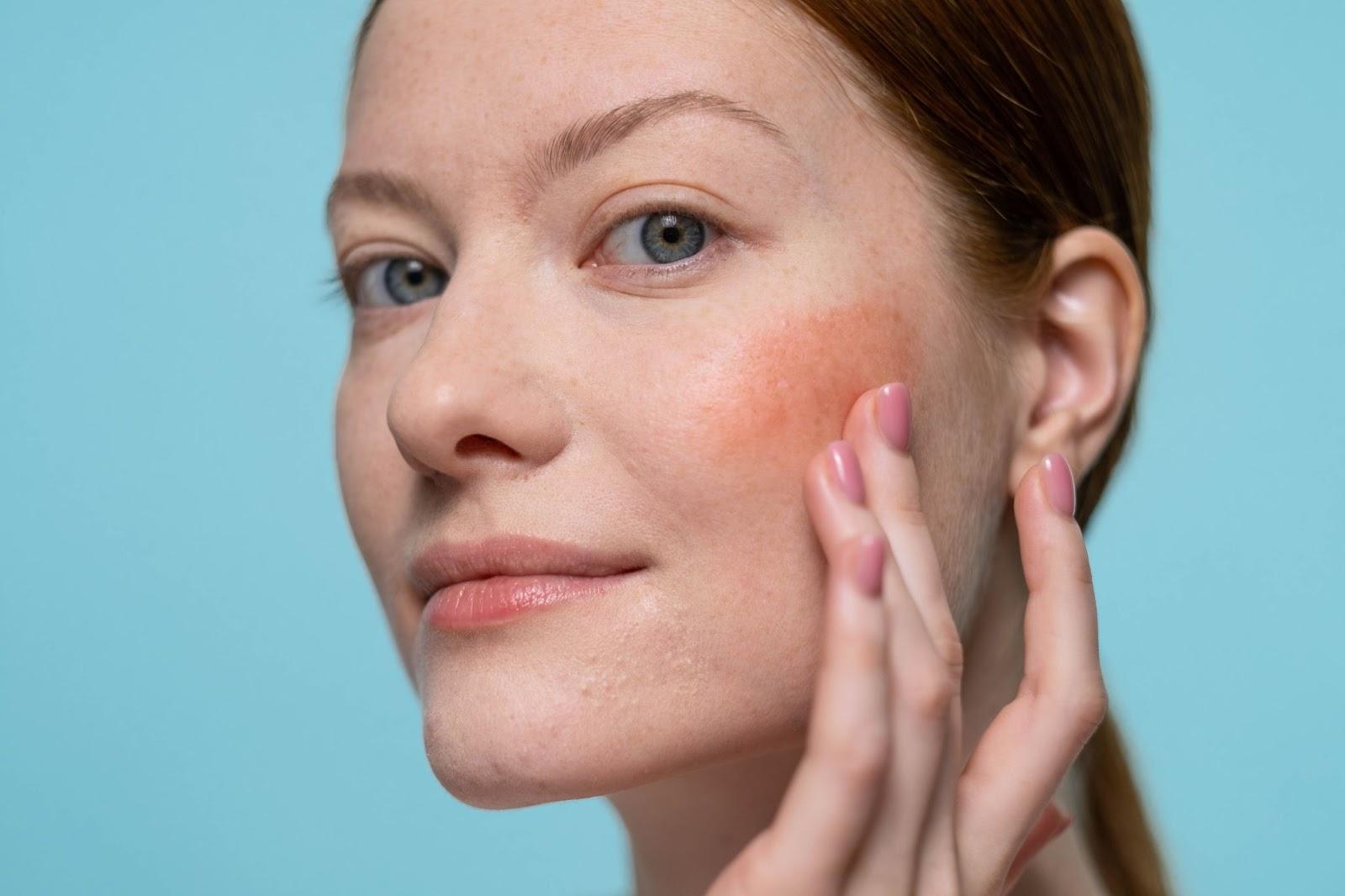
Healthy skin relies on an intact barrier composed of lipids, proteins, and natural moisturizing factors. When this barrier becomes disrupted, irritants penetrate more easily, triggering inflammatory signaling pathways that can result in:
- Persistent redness
- Burning or stinging sensations
- Increased sensitivity
- Dryness and tightness
- Delayed recovery after environmental stress
Inflammation also increases oxidative stress by generating reactive oxygen species (ROS), creating a cycle that further weakens the skin barrier.
An effective calming ingredient should therefore address both inflammation and oxidative damage simultaneously.
The Anti-Inflammatory Matrix of Purslane
Rather than relying on a single active compound, Portulaca oleracea functions through what can be described as an anti-inflammatory matrix—a collection of naturally occurring molecules that work together to support healthier skin.
- Omega-3 Fatty Acids Help Regulate Inflammatory Responses
One of purslane’s most unique characteristics among botanical extracts is its naturally high concentration of alpha-linolenic acid (ALA), an essential omega-3 fatty acid.
Omega-3 fatty acids influence inflammatory signaling by helping balance lipid mediators involved in the skin’s immune response. Laboratory studies suggest they may reduce the production of pro-inflammatory molecules while encouraging pathways associated with inflammation resolution.
For compromised or easily irritated skin, this may contribute to a calmer appearance and improved comfort over time.
- Vitamins A, C, and E Form an Antioxidant Defense Network
Inflammation and oxidative stress are closely linked. Excessive free radicals generated by UV radiation, pollution, and environmental stress can damage skin proteins, lipids, and cellular membranes.
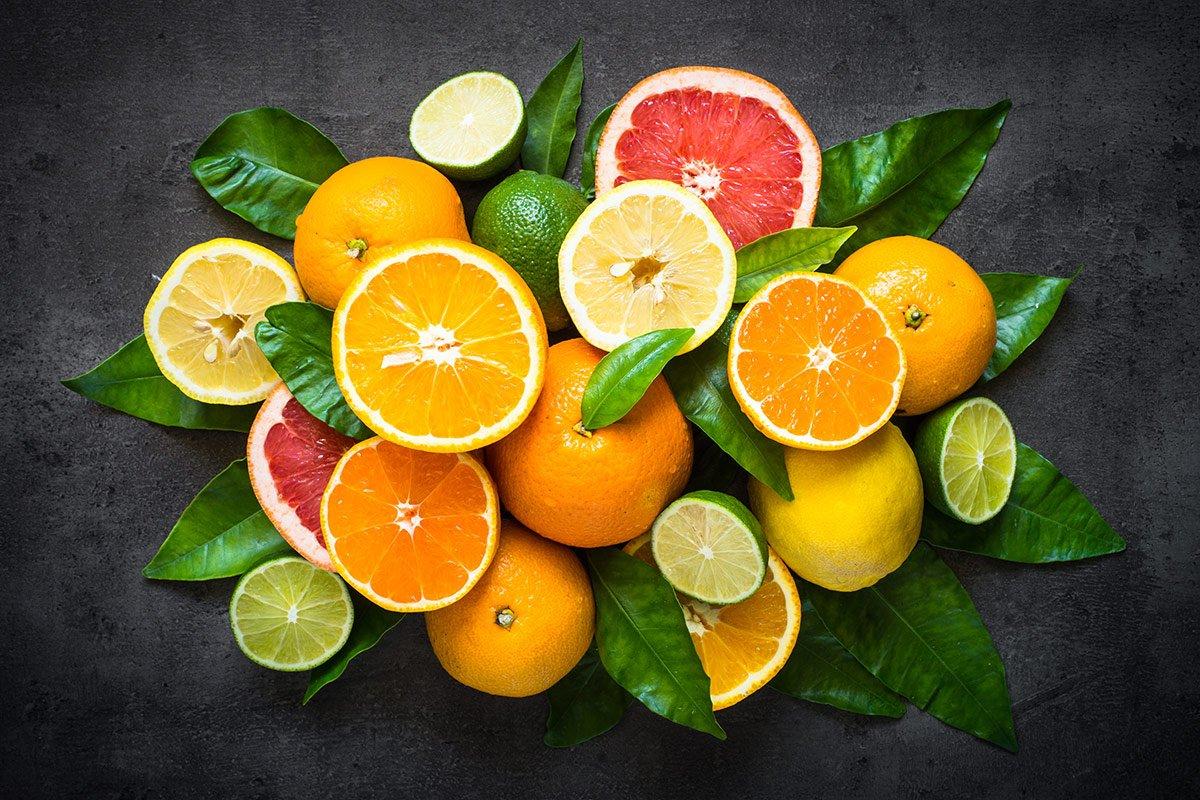
Purslane naturally contains three important antioxidant vitamins:
- Vitamin A supports healthy skin renewal.
- Vitamin C helps neutralize free radicals while supporting collagen synthesis.
- Vitamin E protects lipid-rich cell membranes from oxidative damage.
These antioxidants work synergistically, meaning they enhance one another’s protective effects, helping reduce oxidative stress that can worsen skin sensitivity.
- Glutathione Supports Cellular Protection
Glutathione is often referred to as the body’s “master antioxidant.”
Naturally present in purslane, glutathione helps maintain cellular redox balance by neutralizing reactive oxygen species before they can damage skin cells. Healthy glutathione activity also supports the recycling of other antioxidants, including vitamins C and E, extending their protective capacity.
This antioxidant network helps create an environment that is more favorable for barrier recovery following environmental stress.
- Flavonoids and Phenolic Compounds Help Moderate Inflammatory Pathways
Beyond vitamins and omega-3 fatty acids, purslane contains numerous flavonoids and phenolic compounds with demonstrated antioxidant and anti-inflammatory activity.
Experimental studies have shown that Portulaca oleracea extracts can reduce the production of inflammatory mediators such as tumor necrosis factor-alpha (TNF-α), nitric oxide (NO), and several cytokines involved in inflammatory signaling. The extract has also been shown in laboratory models to influence the NF-κB pathway, a key regulator of inflammation.
While many of these findings come from laboratory and preclinical studies rather than cosmetic clinical trials, they provide a plausible biological basis for purslane’s widespread use in formulations designed for sensitive skin.
Supporting the Skin Barrier
Inflammation rarely exists without barrier dysfunction.
When irritation decreases, the skin is better able to retain moisture, minimize transepidermal water loss (TEWL), and recover from external stressors. Purslane’s combination of antioxidants, omega-3 fatty acids, and bioactive phytochemicals helps create conditions that support healthier barrier function.
For individuals experiencing occasional redness or sensitivity due to environmental exposure or cosmetic overuse, formulations containing purslane may help improve overall skin comfort as part of a consistent skincare routine.
Why Purslane Works Well in Daily Skincare
One of the greatest strengths of Portulaca oleracea extract is its compatibility with other skin-supporting ingredients.
It is frequently combined with:
- Hyaluronic acid for hydration
- Panthenol for barrier support
- Niacinamide for improving barrier function
- Ceramides for lipid replenishment
- Beta-glucan and allantoin for additional soothing benefits
Together, these ingredients provide multiple layers of support for stressed or reactive skin.
Featured in Our Purifying Collection
Our Essence Toner – Purifying and Serum Purifying both incorporate Portulaca oleracea extract as a key botanical ingredient selected for its skin-soothing and antioxidant properties.
Within these formulations, purslane works alongside complementary hydrating and barrier-supporting ingredients to help:
- Calm the appearance of redness
- Improve skin comfort
- Defend against oxidative stress
- Support a healthier-looking skin barrier
- Maintain balanced hydration for sensitive and easily irritated skin
By combining scientifically recognized botanical actives with modern skincare formulation, these products are designed to support healthier, more resilient skin with continued use.
The Bottom Line
Sensitive skin is often driven by a combination of inflammation, oxidative stress, and barrier disruption. Addressing only one of these factors may not provide complete relief.
Portulaca oleracea extract offers a comprehensive approach by delivering omega-3 fatty acids, antioxidant vitamins, glutathione, flavonoids, and other phytochemicals that work together to help moderate inflammatory responses and protect the skin from oxidative damage. Although further human clinical studies in cosmetic applications are still needed, current laboratory and preclinical research supports its reputation as one of the most valuable botanical ingredients for soothing reactive skin.
For skincare formulations focused on calming, hydrating, and strengthening compromised skin, purslane remains a scientifically supported botanical worthy of attention.
References
- Ghorani V, Saadat S, Khazdair MR, et al. Phytochemical Characteristics and Anti-Inflammatory, Immunoregulatory, and Antioxidant Effects of Portulaca oleracea L.: A Comprehensive Review. Evidence-Based Complementary and Alternative Medicine. 2023;2023:2075444.
- Zhou YX, Xin HL, Rahman K, et al. Portulaca oleracea L.: A Review of Phytochemistry and Pharmacological Effects. BioMed Research International. 2015;2015:925631.
- Rahimi VB, Ajam F, Rakhshandeh H, Askari VR. A Pharmacological Review on Portulaca oleracea L.: Focusing on Anti-Inflammatory, Anti-Oxidant, Immuno-Modulatory and Antitumor Activities. Journal of Pharmacopuncture. 2019;22(1):7–15.
- Lin CC, Yen MH. The antioxidant and anti-inflammatory properties of Portulaca oleracea. Multiple experimental studies investigating suppression of oxidative stress and inflammatory mediators.
- Kim JA, et al. Experimental studies evaluating the effects of Portulaca oleracea on inflammatory cytokines, oxidative stress, and NF-κB signaling in cellular models.