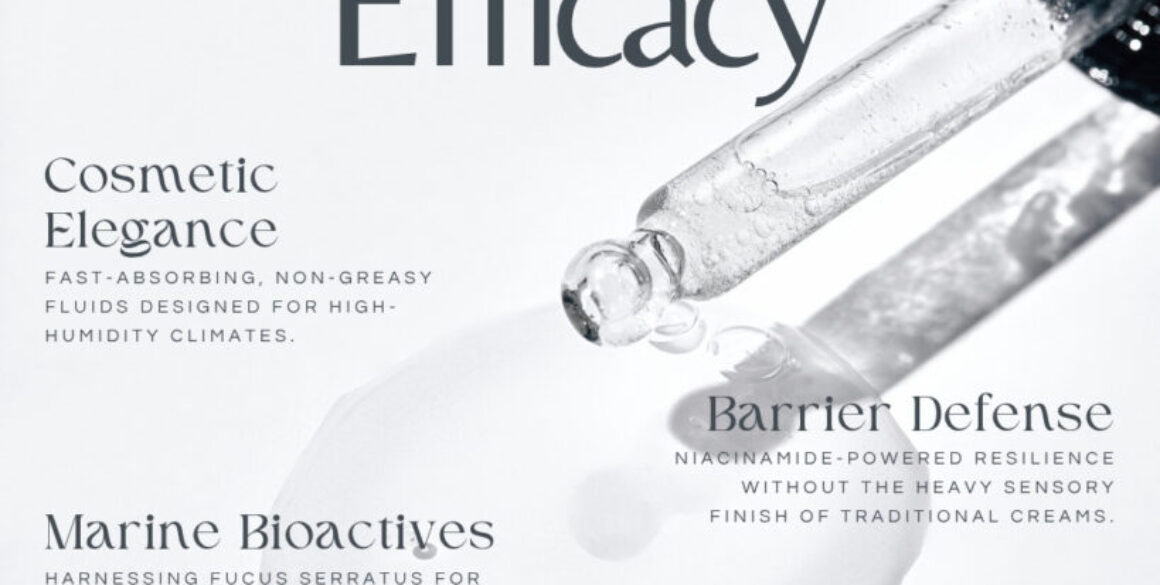
As consumer skincare preferences continue to evolve, one category is seeing remarkable growth: lightweight hydration fluids. These fast-absorbing, non-greasy moisturizers are increasingly favored over traditional heavy creams—especially in warm, humid climates where occlusive textures can feel uncomfortable or overly rich. For emerging skincare brands, hydration fluids represent a modern formulation opportunity that aligns with both sensory expectations and evidence-based skin barrier science.
A well-designed fluid moisturizer can deliver prolonged hydration, support barrier integrity, and improve wearability without sacrificing efficacy. By combining marine bioactives like Fucus serratus, advanced humectants such as Biosaccharide Gum-1, and multifunctional barrier-supporting ingredients like niacinamide and olive squalane, brands can create formulations that feel elegant while remaining scientifically credible.
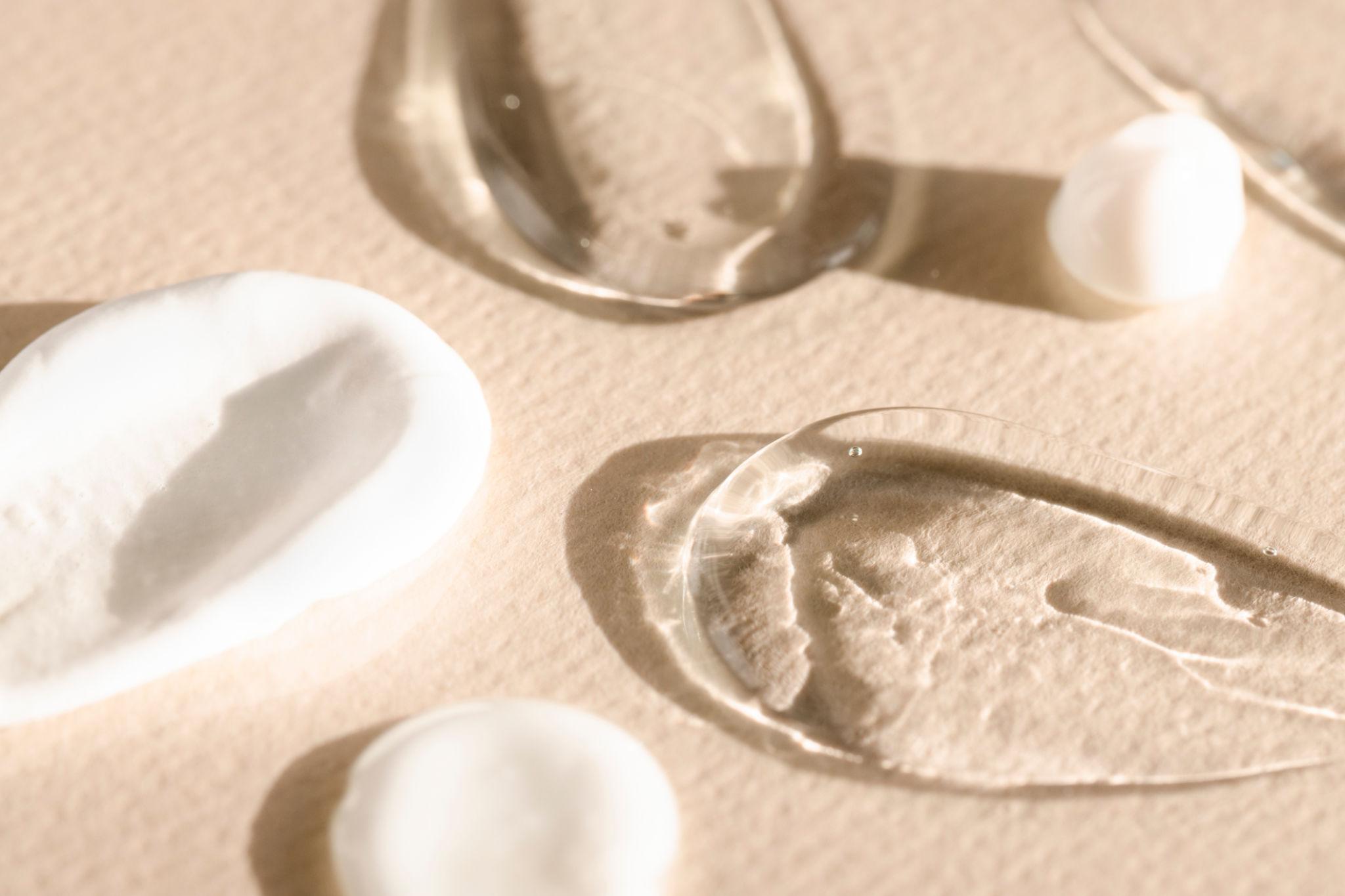
Why Consumers Are Moving Away from Heavy Creams
Traditional creams have long been effective for barrier repair because of their occlusive lipid content. However, texture increasingly influences consumer adherence. Research on moisturizer efficacy shows that hydration benefits depend not only on active ingredients, but also on user comfort, spreadability, and long-term compliance. A moisturizer that feels heavy, sticky, or pore-clogging may reduce consistent use.
This is particularly relevant in tropical and humid climates such as Southeast Asia, where skin often experiences paradoxical dehydration. High environmental humidity may create the sensation of moisture on the skin’s surface, while air-conditioning, temperature shifts, sweat loss, and barrier disruption can still contribute to transepidermal water loss (TEWL). As a result, consumers increasingly seek lightweight textures that hydrate deeply without leaving residue.
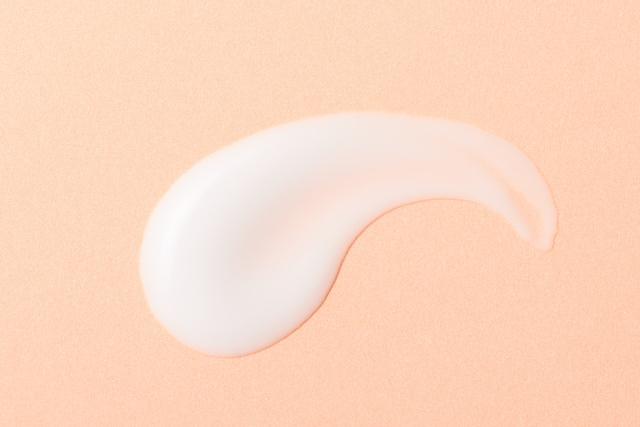
Hydration fluids address this demand by offering:
- Rapid absorption
- Reduced tackiness
- Better layering under sunscreen and makeup
- Lower sensory heaviness in humid weather
- Improved daily compliance due to pleasant skin feel
This “cosmetic elegance” has become a strong differentiator in premium skincare development.
The Science of Fluid Moisturizers: Hydration Without Weight
A hydration fluid differs from a rich cream mainly in its lipid-water balance, viscosity, and sensory finish. Instead of relying heavily on thick occlusives, fluid systems often combine humectants, lightweight emollients, and polymeric hydration agents to maintain moisture while preserving breathability.
This formulation strategy is particularly attractive for:
- Combination skin
- Oily or acne-prone skin
- Dehydrated skin in humid climates
- Consumers sensitive to rich occlusives
- Daytime moisturization products
For brand owners, this expands marketability beyond “dry skin repair” into daily universal hydration.
Marine Bioactives: Why Fucus serratus Matters
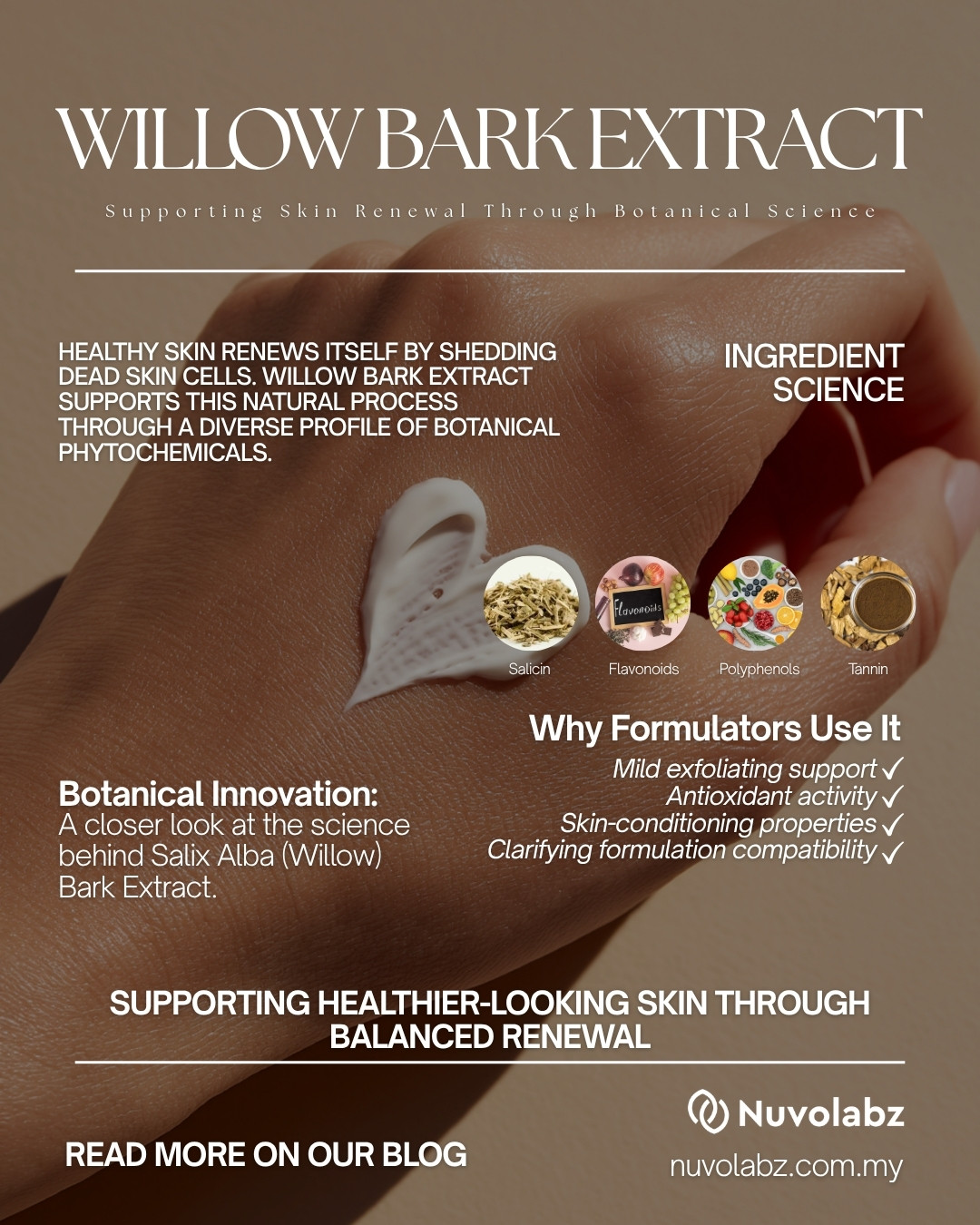
Marine-derived skincare ingredients are gaining traction because of their polysaccharide-rich and antioxidant properties. Fucus serratus, a brown seaweed species, is valued for its naturally occurring sulfated polysaccharides, polyphenols, minerals, and bioactive compounds that may support hydration, antioxidant defense, and skin conditioning. Brown algae extracts are increasingly explored for their ability to interact with skin hydration pathways and contribute to protective cosmetic functions.
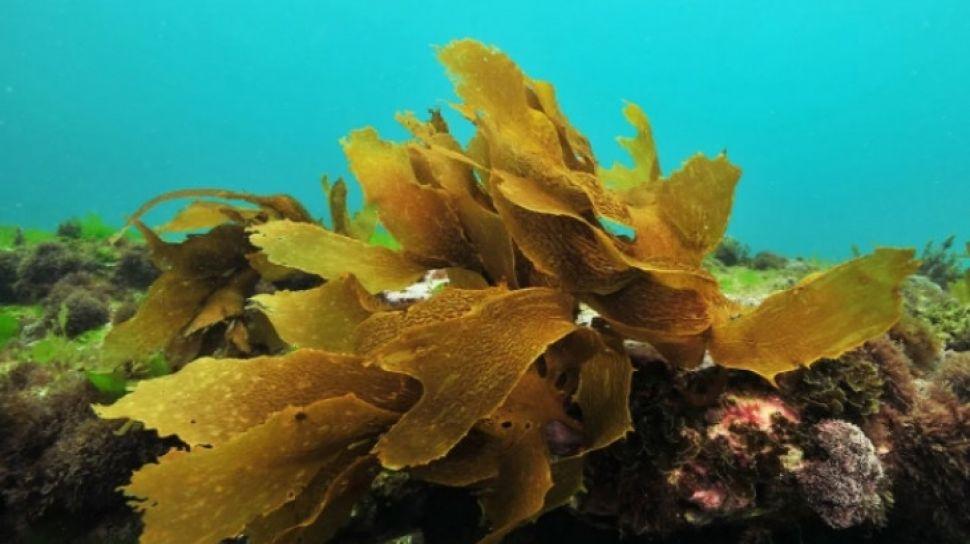
Why this matters in fluid hydration systems:
- Film-Forming Moisture Support
Marine polysaccharides can help create a lightweight hydrophilic film on the skin, which may improve water retention without the waxy feel associated with heavier occlusives.
- Antioxidant Assistance
Seaweed-derived phenolic compounds may help neutralize oxidative stress from pollution and UV-induced free radicals—an appealing benefit for urban skincare positioning.
- Sensory Enhancement
Marine extracts can improve perceived freshness, making them ideal for “cooling,” “water-light,” or “marine hydration” product positioning.
For brands, marine actives also support premium storytelling around biotech, sustainability, and ocean-derived wellness.
Biosaccharide Gum-1: Advanced Long-Lasting Hydration
Among modern hydration agents, Biosaccharide Gum-1 stands out as a multifunctional biopolymer often used to improve prolonged moisture retention and skin feel.
This fermentation-derived polysaccharide is valued because it can:
- Form a breathable moisture-binding film
- Reduce immediate water loss
- Enhance smoothness and slip
- Reduce tackiness versus some conventional humectant-heavy systems
- Support soothing sensory benefits for sensitive skin formulations
Its ability to create a non-sticky, elegant finish makes it particularly effective in fluid moisturizers where sensory aesthetics matter as much as hydration performance.
Unlike heavier occlusive waxes, Biosaccharide Gum-1 contributes hydration persistence while maintaining a lightweight after-feel—ideal for humid-climate skincare.
Niacinamide: The Multifunctional Barrier Support Active
Niacinamide remains one of the most valuable modern skincare actives because of its multifunctionality.
In hydration fluids, it contributes by helping support:
- Skin barrier resilience
- Reduced visible redness
- Improved moisture retention
- Sebum balancing
- Brightening and tone-evening effects
This makes it especially attractive for “one-step daily hydrator” positioning, where consumers expect hydration plus visible skin refinement. Community and consumer skincare discussions also show strong demand for barrier-supportive ingredients such as niacinamide in lightweight formulas, though tolerability still depends on overall formulation and concentration.
Olive Squalane: Lipid Repair Without Greasiness
Many brands struggle with one challenge: how to include lipids without creating heaviness.
Olive-derived squalane helps solve this.
As a biomimetic emollient structurally similar to skin lipids, olive squalane can:
- Reinforce softness
- Reduce roughness
- Improve elasticity
- Support barrier comfort
- Deliver lightweight emollience without heavy occlusion
Compared with richer butters or waxes, squalane offers a silky, fast-spreading profile that works exceptionally well in fluid textures. This helps maintain the balance between hydration and breathability.
Why Fluid Hydration Formulations Are a Smart Brand Opportunity
For private label or skincare brands developing next-generation moisturizers, a formulation built around Fucus serratus, Biosaccharide Gum-1, niacinamide, and olive squalane offers multiple commercial advantages:
- Climate-Relevant Appeal
Excellent for tropical and high-humidity markets where heavy creams may feel uncomfortable.
- Broad Consumer Fit
Suitable for oily, combination, dehydrated, and sensitive skin positioning.
- Premium Yet Science-Led Storytelling
Marine extracts + biosaccharides + barrier actives create a strong innovation narrative.
- Layering Compatibility
Works well under SPF, makeup, and treatment serums.
- Modern Texture Expectations
Consumers increasingly associate “weightless hydration” with sophistication and efficacy.
The Future of Moisturization Is Lightweight, Not Weak
A fluid moisturizer should not be viewed as a diluted cream—it is a deliberate, high-performance format designed around hydration efficiency, texture optimization, and barrier compatibility.
When formulated with marine extracts like Fucus serratus, long-lasting hydrators such as Biosaccharide Gum-1, and multifunctional support ingredients like niacinamide and olive squalane, Fluid Hydration formulations offer a compelling alternative to traditional creams.
For brands targeting modern consumers—especially those in humid climates—lightweight efficacy is no longer a niche trend. It is becoming the new standard of moisturization.
References
- Mawazi, S. M. et al. A Review of Moisturizers; History, Preparation, Characterization and Applications. Cosmetics (MDPI), 2022.
- Ainurofiq, A. et al. Characterization and Application of Moisturizer in Skin Treatment: A Review. Journal of Pakistan Association of Dermatologists, 2023.
- The Tolerability and Effectiveness of Marine-Based Ingredients in Cosmetics: A Split-Face Clinical Study of a Serum Spray Containing Fucus vesiculosus Extract, Ulva lactuca Extract, and Ectoin. Cosmetics (MDPI), 2023. (Used as supporting marine-extract evidence; note this studied related marine algae, not specifically Fucus serratus.)
- Regional skincare environment and lightweight moisturizer considerations in humid climates.
- Community discussions on barrier-supportive lightweight hydration preferences (supportive consumer trend context only; not clinical evidence).