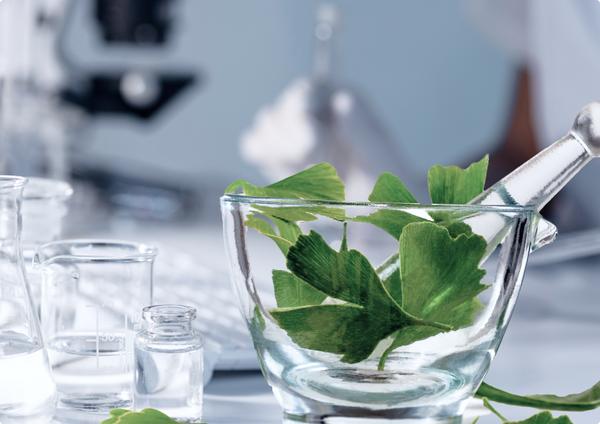
When formulating skincare products, selecting botanical ingredients with well-documented biological activity is essential. Among the most extensively studied plant extracts is Ginkgo biloba leaf extract, an ingredient valued for its unique combination of flavonoids and terpene lactones. These naturally occurring compounds have been investigated for their antioxidant properties, effects on microcirculation, and ability to support vascular function.
In cosmetic formulations, Ginkgo biloba extract is commonly incorporated into products designed to care for delicate skin, particularly around the eye area, where visible signs of fatigue and puffiness are often associated with microvascular changes and oxidative stress. Its multifunctional profile also makes it suitable for soothing skincare products intended for oily or blemish-prone skin.
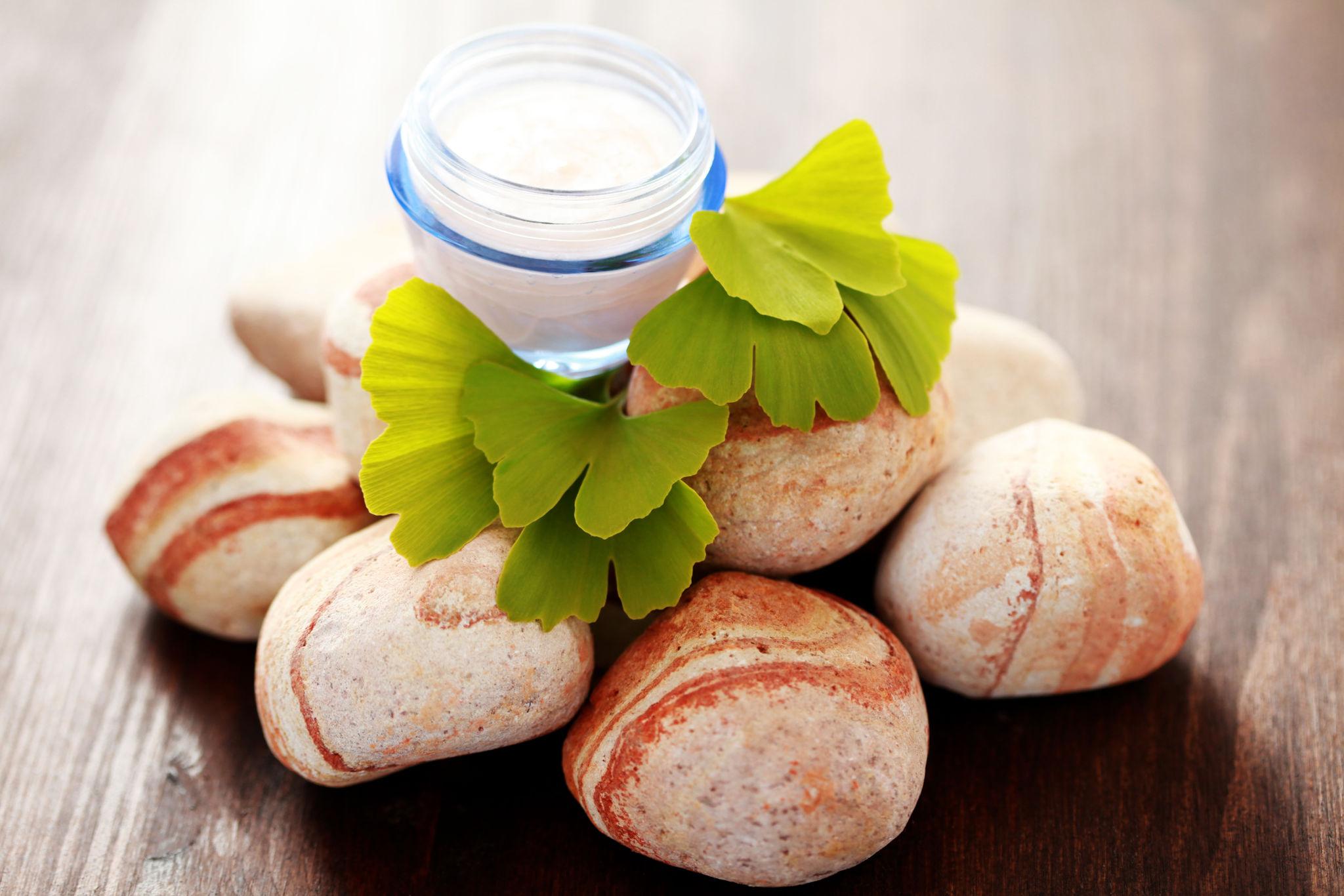
What Makes Ginkgo biloba Extract Unique?
Derived from the leaves of one of the world’s oldest surviving tree species, Ginkgo biloba contains a complex mixture of naturally occurring phytochemicals. Among the most notable are:
- Flavonoid glycosides (primarily quercetin, kaempferol, and isorhamnetin derivatives)
- Terpene lactones, including ginkgolides (A, B, C, J) and bilobalide
Standardized Ginkgo biloba extracts used in research and commercial applications are typically prepared to contain approximately 24% flavonoid glycosides and 6% terpene lactones, ensuring consistent composition and biological activity.
These compounds have been widely studied for their antioxidant capacity and their influence on vascular health.
Flavonoids: Supporting the Skin’s Antioxidant Defense
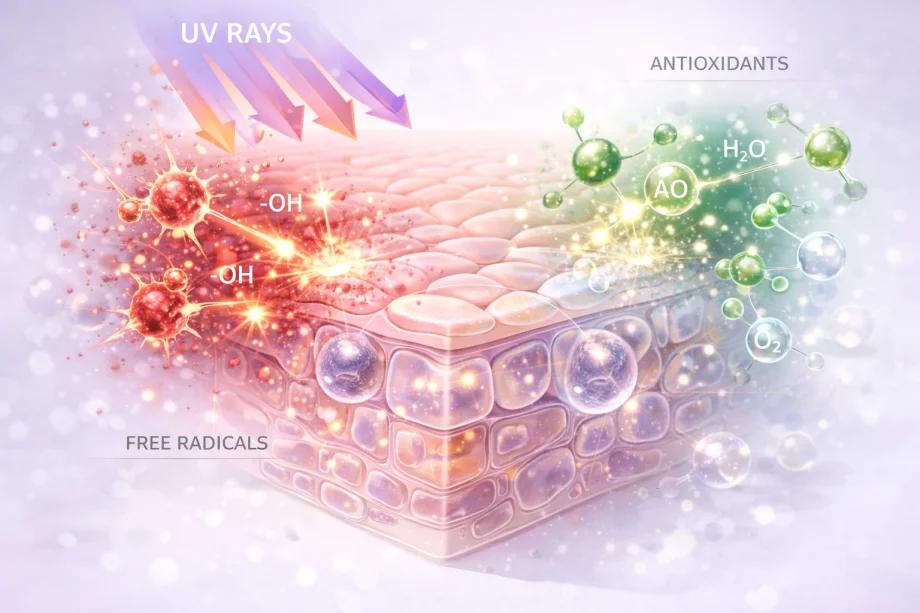
Every day, skin is exposed to environmental stressors such as ultraviolet radiation, air pollution, and normal cellular metabolism. These processes generate reactive oxygen species (ROS)—commonly known as free radicals—which can contribute to oxidative stress.
Oxidative stress has been associated with:
- Lipid peroxidation
- Damage to cellular proteins
- Collagen degradation
- Premature appearance of fine lines
- Skin dullness
The flavonoids naturally present in Ginkgo biloba function as antioxidants, helping neutralize reactive oxygen species before they can trigger oxidative damage.
Scientific studies have shown that these flavonoids are capable of:
- Scavenging free radicals
- Reducing lipid oxidation
- Helping protect cellular structures from oxidative injury
- Supporting the skin’s natural defense system against environmental stress
Rather than replacing the skin’s own antioxidant network, botanical antioxidants work alongside endogenous protective mechanisms to help maintain overall skin health.
Terpenoids and Microcirculation
While flavonoids primarily contribute antioxidant activity, the terpene lactones found in Ginkgo biloba have attracted attention for their effects on vascular physiology.
Research has shown that Ginkgo biloba extract can influence microcirculation, the network of very small blood vessels responsible for delivering oxygen and nutrients to tissues.
Improved microcirculation may support:
- Efficient oxygen delivery
- Nutrient transport
- Waste removal from tissues
- Healthy capillary function
These vascular-supportive properties have made Ginkgo biloba extract the subject of numerous studies involving peripheral circulation and vascular health.
Why Microcirculation Matters Around the Eyes
The skin surrounding the eyes is among the thinnest on the body, making the underlying network of capillaries more visible than in other facial areas.
Several factors may contribute to the appearance of dark circles and puffiness, including:
- Genetics
- Aging
- Sleep patterns
- Fluid retention
- Increased visibility of underlying blood vessels
- Temporary vascular congestion
Although dark circles can have multiple causes, one contributing factor in some individuals is vascular pooling, where blood flow through superficial capillaries becomes more noticeable beneath thin skin.
By supporting healthy microcirculation, ingredients such as Ginkgo biloba extract are incorporated into cosmetic eye care formulations intended to help reduce the appearance of tired-looking eyes. It is important to note that cosmetic ingredients do not treat medical conditions or permanently eliminate dark circles, as their causes vary from person to person.
Antioxidant Support for Oily and Acne-Prone Skin
Oxidative stress is also increasingly recognized as one factor involved in acne-prone skin.
Research suggests that oxidation of sebum components—particularly squalene—can contribute to inflammatory processes associated with blemishes. Antioxidants may help reduce oxidative stress occurring on the skin surface, supporting overall skin balance.
In addition, the soothing properties associated with Ginkgo biloba extract make it a complementary botanical ingredient in formulations developed for oily or stressed skin.
While it is not considered an acne treatment ingredient, it may help support the skin when combined with other cosmetic ingredients designed for daily care.
A Botanical Ingredient with Multiple Functional Benefits
One reason formulators continue to use Ginkgo biloba extract is its ability to contribute several supportive functions within a single ingredient.
Its naturally occurring compounds may help:
- Provide antioxidant protection against free radicals
- Support healthy microcirculation
- Help maintain normal capillary function
- Contribute to a refreshed appearance around the eyes
- Complement soothing skincare formulations
Because of this broad functionality, Ginkgo biloba extract has become a valuable botanical ingredient in products targeting delicate or environmentally stressed skin.
Where It Fits in Our Formulations
Eye Cream
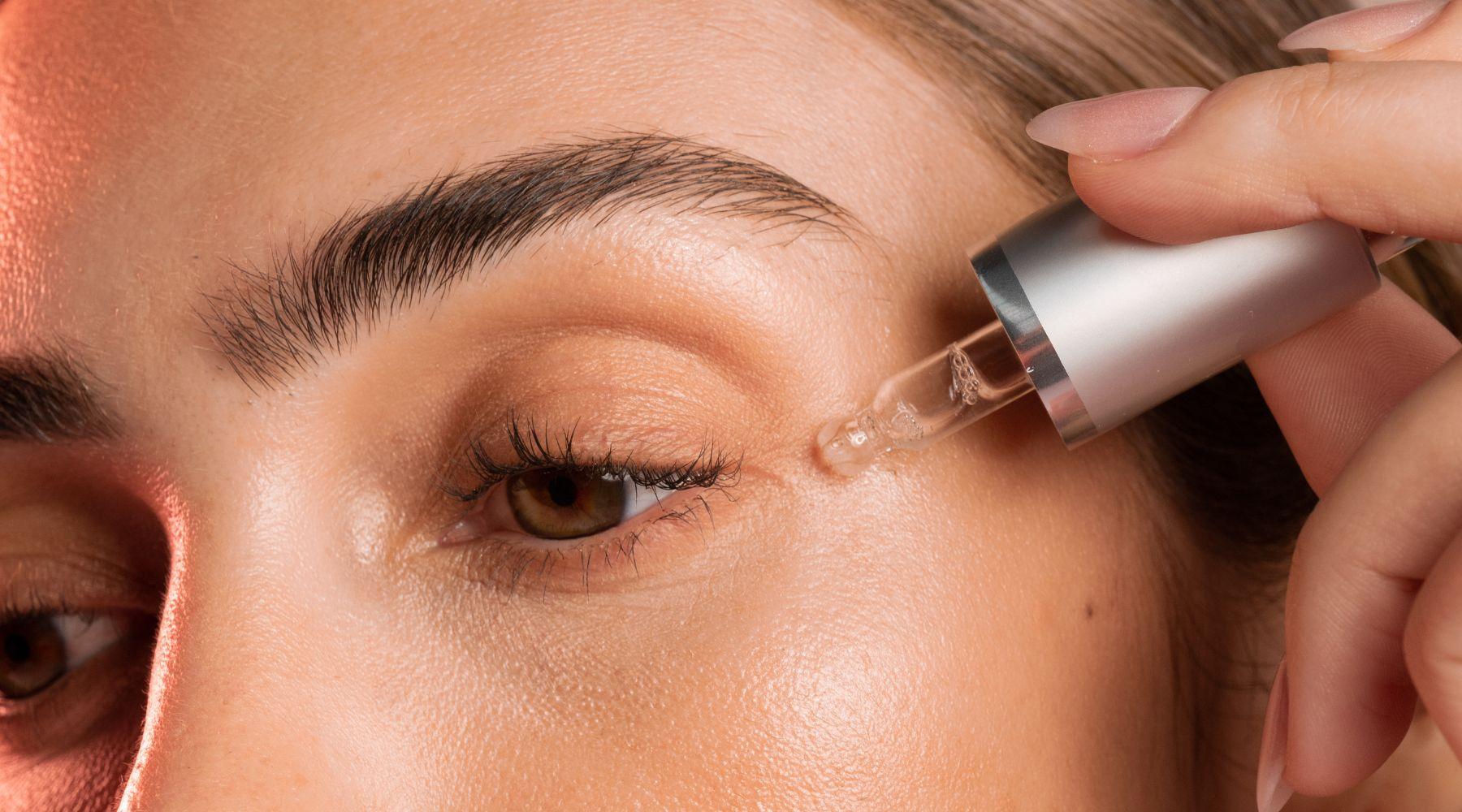
The delicate eye area is particularly susceptible to visible signs of fatigue because of its thin skin and dense network of tiny blood vessels.
By incorporating Ginkgo biloba extract into an eye cream formulation, the product benefits from botanical antioxidants while supporting healthy skin appearance around the eyes. When used consistently as part of a complete skincare routine, it complements moisturizers and other conditioning ingredients designed to improve the appearance of tired-looking skin.
Crystal Gel Mask – Oily & Acne
For oily and blemish-prone skin, maintaining a balanced environment is an important part of daily skincare.
Ginkgo biloba extract contributes antioxidant support while complementing soothing ingredients commonly included in gel-based mask formulations. Its multifunctional properties make it well suited for products intended to refresh the skin and help protect against everyday environmental oxidative stress.
The Takeaway
Ginkgo biloba extract remains one of the most extensively researched botanical ingredients used in skincare today. Its naturally occurring flavonoids provide antioxidant protection against free radicals, while its terpene lactones have been studied for their role in supporting healthy microcirculation.
Together, these properties make it a versatile ingredient for cosmetic formulations developed for delicate areas such as the eye contour and for products intended to support skin exposed to everyday environmental stress. While it should not be viewed as a treatment for medical conditions, its well-documented phytochemical profile continues to make it a valuable addition to modern skincare formulations focused on maintaining healthy-looking skin.
References
- van Beek TA. Chemical Analysis of Ginkgo biloba Leaves and Extracts. Journal of Chromatography A. 2002;967(1):21–55.
- Mahadevan S, Park Y. Multifaceted Therapeutic Benefits of Ginkgo biloba L.: Chemistry, Efficacy, Safety, and Uses. Journal of Food Science. 2008;73(1):R14–R19.
- Smith JV, Luo Y. Studies on Molecular Mechanisms of Ginkgo biloba Extract. Applied Microbiology and Biotechnology. 2004;64(4):465–472.
- European Medicines Agency (EMA). Assessment Report on Ginkgo biloba L., folium. EMA/HMPC. 2015.
- Ude C, Schubert-Zsilavecz M, Wurglics M. Ginkgo biloba Extracts: A Review of the Pharmacokinetics of Their Constituents. Clinical Pharmacokinetics. 2013;52(9):727–749.
- Masaki H. Role of Antioxidants in the Skin: Anti-Aging Effects. Journal of Dermatological Science. 2010;58(2):85–90.
- Briganti S, Picardo M. Antioxidant Activity, Lipid Peroxidation and Skin Diseases. Journal of the European Academy of Dermatology and Venereology. 2003;17(6):663–669.
- Kose K, Dogan P, Kardas Y, Saraymen R. Plasma Antioxidant Status and Lipid Peroxidation in Acne Vulgaris. Journal of Dermatology. 2005;32(7):576–580.