In skincare, hydration is no longer defined by hyaluronic acid alone. While hyaluronic acid remains one of the most recognized humectants in cosmetic science, premium serum development is shifting toward multifunctional hydration systems that not only retain water, but also support barrier resilience, calm inflammation, and protect skin from environmental stress. For aesthetic clinics and premium skincare brands, this evolution creates an opportunity to move beyond “basic hydration” and position serums as advanced skin-health solutions.
A next-generation Hydration Serum built with Rhodiola rosea fermentation filtrate and Avena sativa peptide reflects this shift. Together, these ingredients address hydration, oxidative stress, irritation, and texture refinement—key concerns among consumers exposed to pollution, UV radiation, humidity fluctuations, over-exfoliation, and increasingly aggressive cosmetic routines.
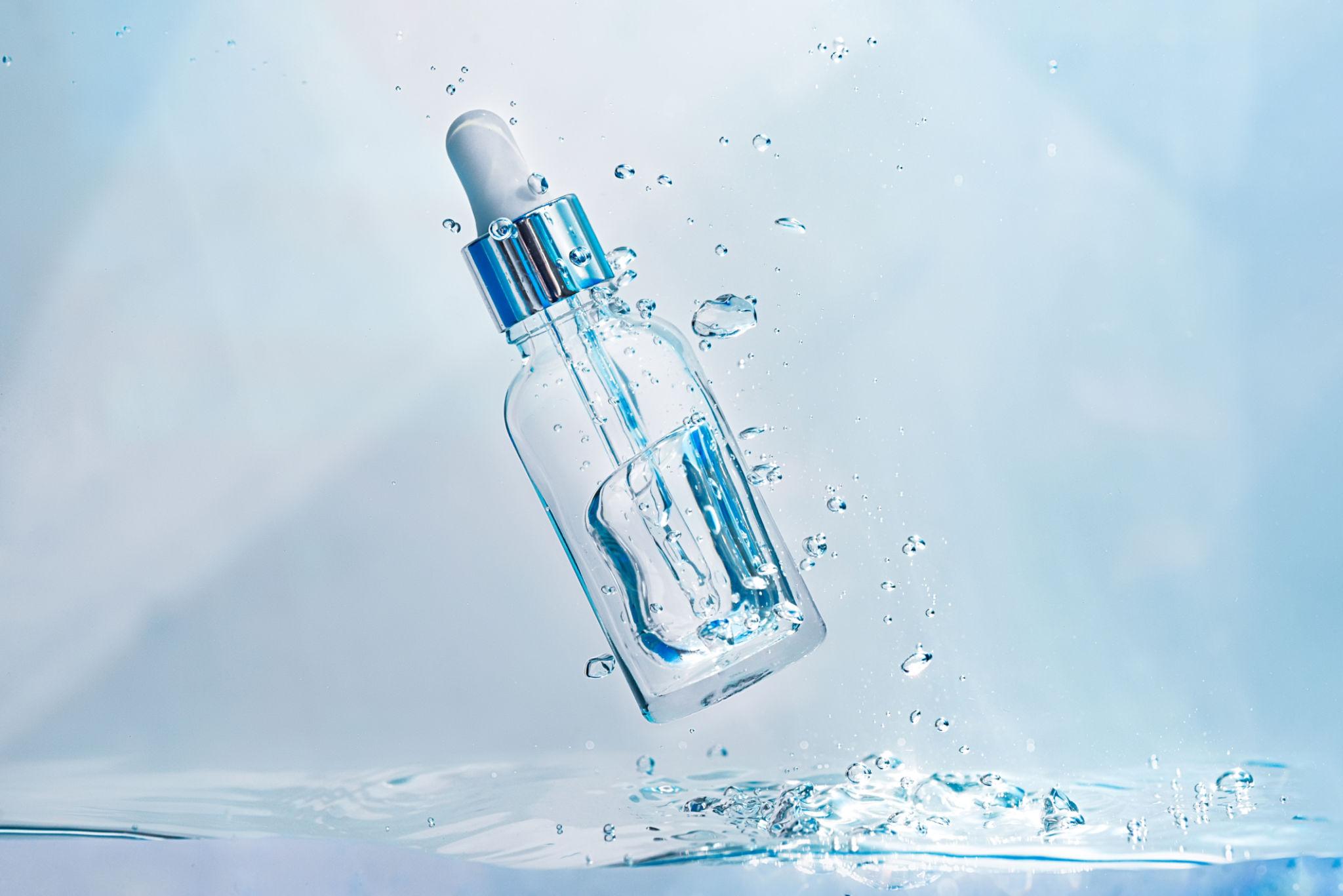
Why Hyaluronic Acid Alone Is No Longer Enough
Hyaluronic acid (HA) remains valuable because of its hygroscopic nature—it binds water and helps improve short-term skin plumpness and hydration. However, HA functions primarily as a humectant, meaning its core role is moisture attraction and retention. While beneficial, hydration-only formulas may not fully address broader skin stressors such as impaired barrier integrity, oxidative stress, redness, or texture imbalance.
Modern consumers—especially those investing in clinic-grade skincare—are increasingly seeking products that combine hydration with visible skin-calming and protective benefits. This is particularly relevant for urban environments, post-procedure skincare, and sensitive or compromised skin. A serum that hydrates while strengthening resilience offers stronger clinical positioning than a conventional HA-only formula.
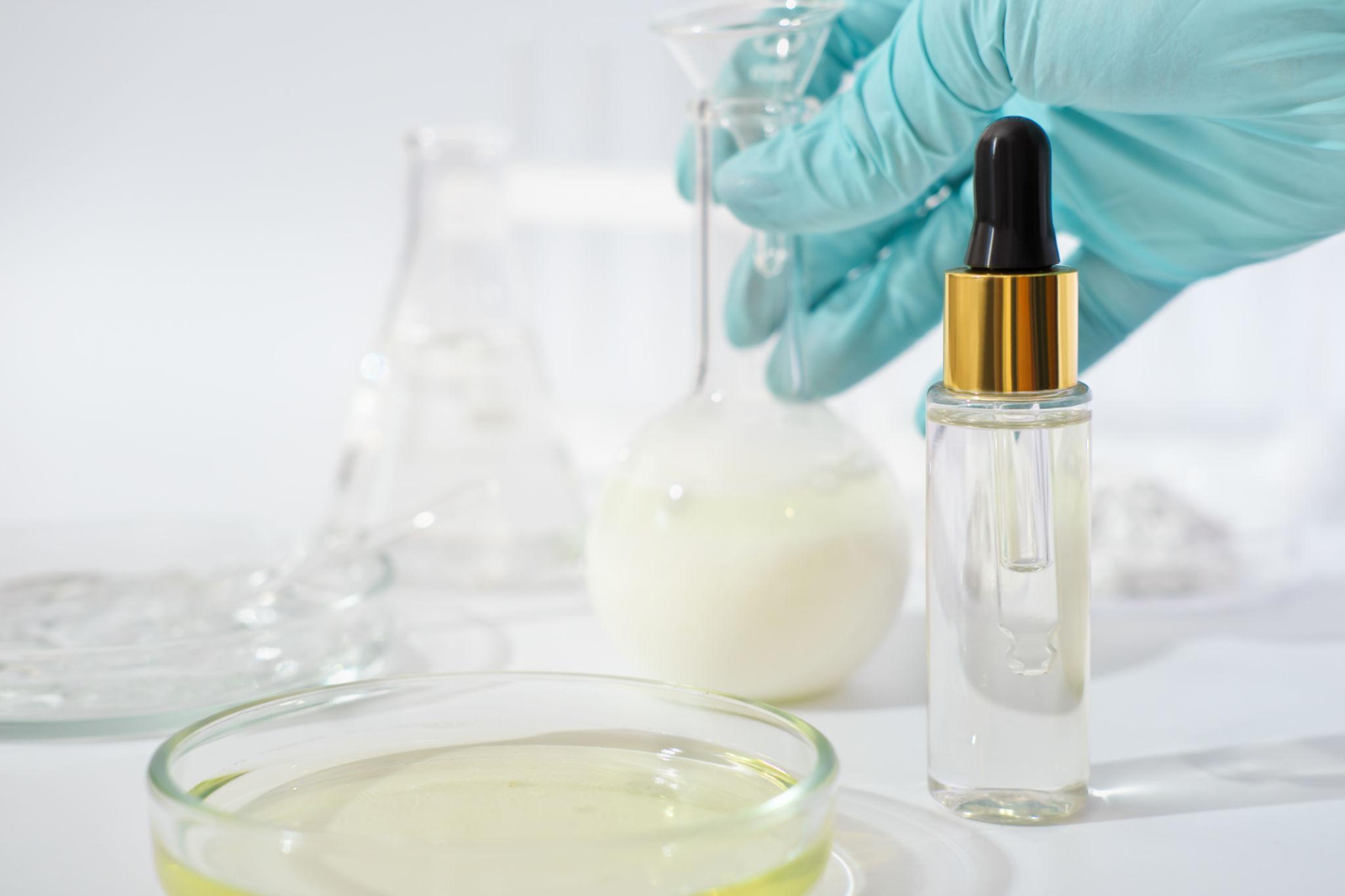
Rhodiola rosea Fermentation Filtrate: An Adaptogen for Skin Resilience
What Is It?
Rhodiola rosea is a botanical adaptogen traditionally studied for its ability to help biological systems adapt to physical and oxidative stress. In topical skincare, its fermentation filtrate introduces an additional layer of bio-processing that may improve stability, bioavailability, and cosmetic compatibility, though formulation-specific effects depend on manufacturing methods.
How It Supports Skin Under Environmental Stress
- Antioxidant Defense Against Oxidative Stress
Environmental aggressors like UV radiation, airborne pollutants, and particulate matter increase reactive oxygen species (ROS) in skin, accelerating inflammation, barrier dysfunction, and visible aging. Rhodiola species contain polyphenolic compounds such as salidroside and rosavins that have demonstrated antioxidant and cytoprotective properties in broader research contexts. In skincare, this supports positioning Rhodiola as a stress-defense active.
For aesthetic clinics, this is valuable in “urban defense” or post-exposure hydration programs.
- Reduced Skin Reactivity and Stress Sensitivity
Adaptogens are increasingly discussed in dermatology for their potential to support homeostasis under intrinsic and extrinsic stress. Although human topical evidence remains emerging, the mechanistic appeal lies in improving skin resilience rather than simply masking dryness. This is particularly relevant for clients dealing with redness, over-treatment, or environmental irritation.
- Enhanced Formula Sophistication Through Fermentation
Fermentation in skincare may produce smaller metabolites, amino acids, and bioactive compounds that can improve sensorial feel and potentially enhance interaction with the skin surface. It also aligns strongly with premium “biotech beauty” positioning. While benefits depend on the exact ferment process, fermented actives are often associated with elevated cosmetic sophistication.

Avena sativa Peptide: Oat-Derived Barrier-Calming Technology
What Is It?
Avena sativa (oat) has long been recognized in dermatology for skin-protective and soothing effects. When developed into peptide or hydrolyzed peptide fractions, oat-derived actives can offer multifunctional support tied to hydration, calming, and surface smoothness. Evidence for oat itself is stronger than for every specific peptide derivative, so efficacy should be communicated carefully and formulation-dependently.
Key Benefits in a Hydration Serum
- Soothing Irritation and Redness
Oat-derived compounds are widely studied for anti-inflammatory and barrier-protective properties. Colloidal oatmeal and oat bioactives have shown benefit in reducing itch, irritation, and inflammatory responses in compromised skin. This makes Avena-based peptides attractive for hydration serums intended for sensitive or post-treatment skin.
For aesthetic clinics, this supports post-facial, post-laser-adjacent, or maintenance skincare messaging (without implying medical treatment).
- Barrier Support and Moisture Retention
Healthy skin hydration depends not only on water content but also on barrier integrity. Oat derivatives may help reinforce barrier function by reducing irritation and supporting the skin’s protective structure. A stronger barrier helps reduce transepidermal water loss (TEWL), indirectly sustaining hydration.
- Texture Refinement and Surface Softness
Peptides in cosmeceutical science are frequently explored for regenerative, conditioning, and structural support roles. While not all peptides have identical mechanisms, bioactive peptides can contribute to smoother-feeling skin and improved cosmetic texture over time. In a hydration serum, oat peptides help expand benefits beyond moisture into tactile refinement.
Why Rhodiola + Avena Peptide Is a Premium Combination
When paired in a hydration serum, these ingredients create a broader biological strategy:
- Hydration support → complements humectants like hyaluronic acid
- Environmental resilience → antioxidant and stress-adaptation positioning
- Soothing benefits → helps calm reactive or irritated skin
- Barrier reinforcement → supports moisture retention and reduced sensitivity
- Texture enhancement → smoother, softer skin feel
- Premium differentiation → biotech fermentation + peptide science appeals to high-end consumers
This transforms hydration from a basic moisture claim into a skin-performance narrative.
Strategic Value for Aesthetic Clinics and Premium Brands
Hydration serums are often foundational products in clinic retail portfolios. But commoditization is a challenge—many formulas rely on standard hyaluronic acid, glycerin, and panthenol combinations.
Adding Rhodiola rosea fermentation filtrate and Avena sativa peptide helps brands position a serum as:
- A premium daily stress-defense hydrator
- A calming serum for sensitized skin routines
- A support product for barrier-conscious skincare regimens
- A biotech-forward cosmeceutical innovation
- A higher-value alternative to basic hydration products
For aesthetic clinics, this improves upsell potential because the serum can fit pre-treatment preparation, maintenance routines, and post-procedure supportive skincare strategies (within cosmetic claims).
The Future of Hydration Is Functional, Not Just Moisturizing
The next generation of hydration serums is defined by multifunctionality. Consumers increasingly expect products to do more than replenish moisture—they want hydration that also protects, soothes, and improves overall skin quality.
By combining Rhodiola rosea fermentation filtrate with Avena sativa peptide, brands can elevate a conventional hydration serum into a premium formulation that addresses environmental stress, irritation, and skin texture while still delivering the essential hydration consumers expect. This creates a stronger scientific story, higher perceived value, and a more differentiated solution for modern clinic-led skincare.
References
- Lei D, Liu D, Zhang J, et al. Benefits of topical natural ingredients in epidermal permeability barrier. Frontiers in Physiology. 2024.
- Stepanova EF, Shirzad B, Evseeva SB. Rhodiola rosea: Status of research and possibilities for cosmeceutical and dermatological drugs production. Pharmacy & Pharmacology. 2016.
- Blyumin-Karasik M, et al. What Are Topical Adaptogens? A Systematic Review and Proposed System to Identify and Categorize Skin Adaptogens in Dermatology. J Clin Aesthet Dermatol. 2025.
- Sugondo KN, Hermawan M. The effect of topical oatmeal (Avena sativa) on hydration-related skin disorders: A systematic review.
- He Q, Liao Y, Wu Y, et al. Bioactive oligopeptides and the application in skin regeneration and rejuvenation. 2025.
- Bahrami A, et al. Potential role of natural bioactive peptides for development of cosmeceutical skin products. Peptides. 2019.