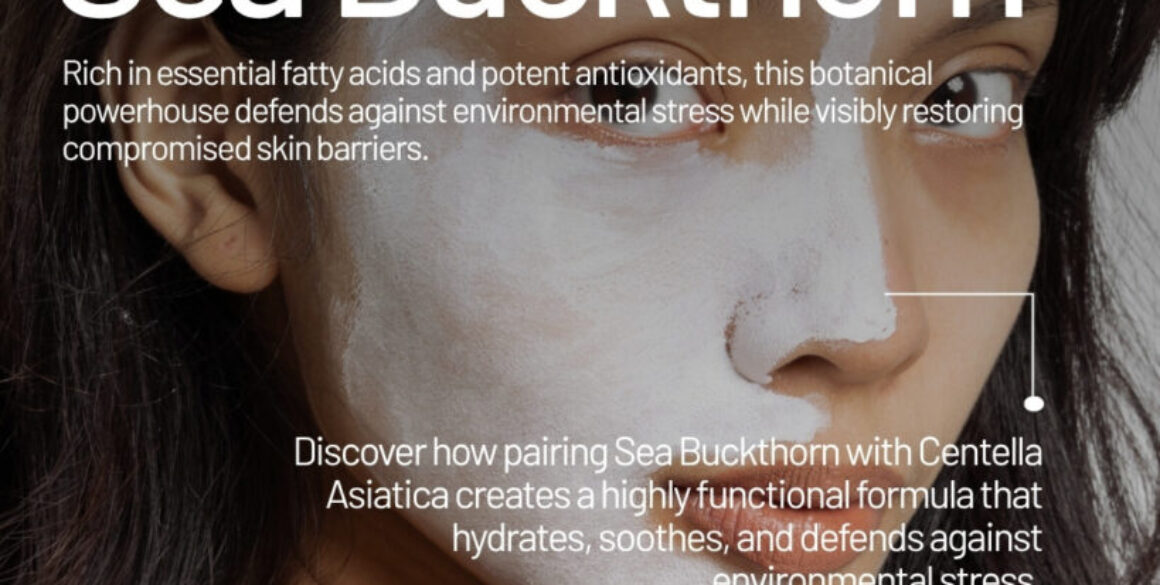
In modern skincare, consumers are increasingly seeking products that do more than simply moisturize—they want formulas that visibly restore radiance, defend against environmental stress, and support long-term skin resilience. One botanical ingredient gaining significant attention in advanced skincare formulations is Hippophae rhamnoides fruit oil, better known as Sea Buckthorn oil.
Used in cream masks for its nutrient density and barrier-supportive profile, Sea Buckthorn oil offers a compelling combination of antioxidant protection, essential fatty acids, and skin-conditioning benefits. When paired with Centella asiatica and Camellia japonica flower extract, it creates a highly functional formula that supports hydration, soothing care, and visible luminosity—making it especially attractive for premium aesthetic, clinical, and spa-grade skincare lines.
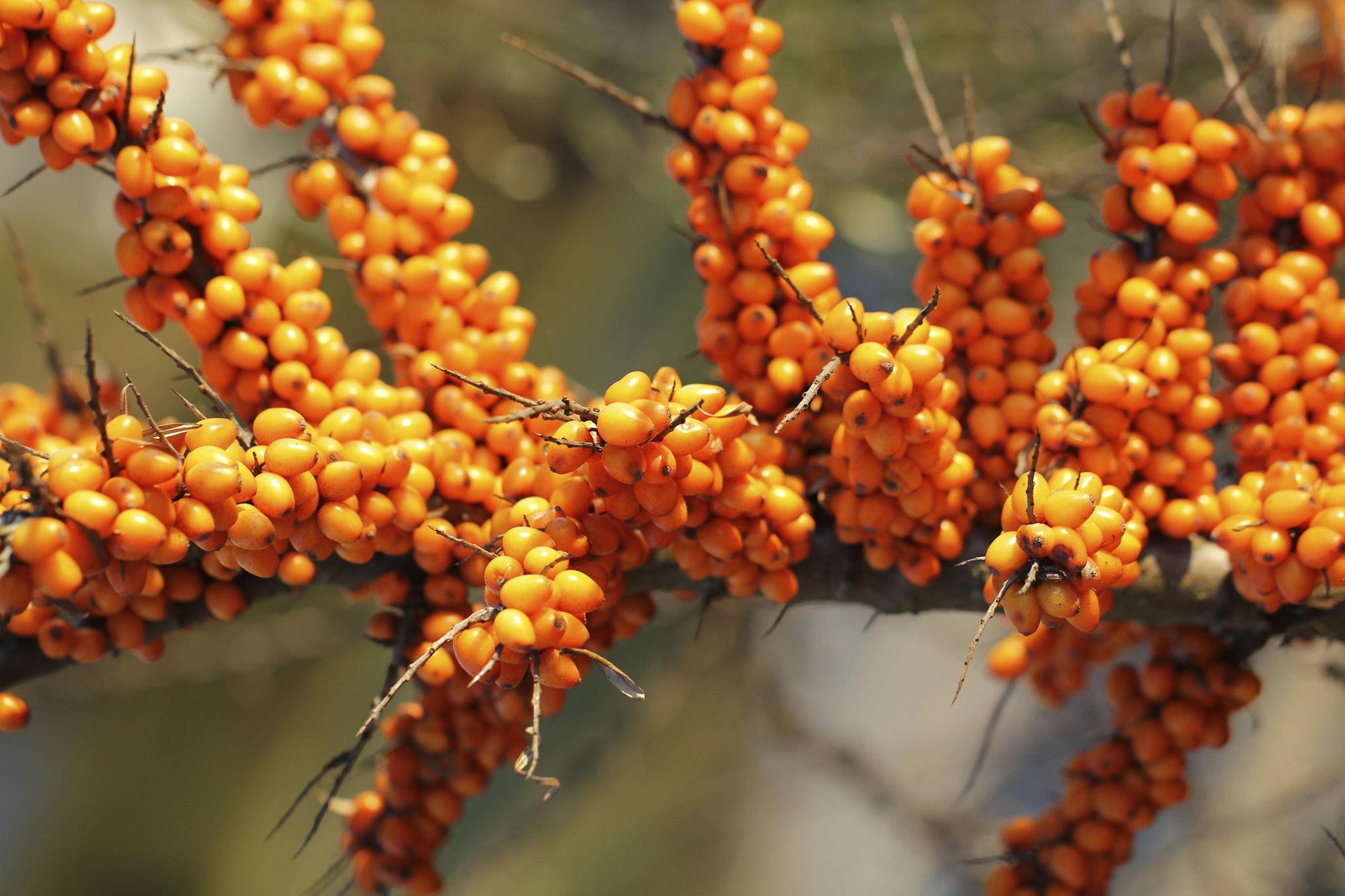
What Makes Sea Buckthorn (Hippophae rhamnoides) So Valuable in Skincare?
Sea Buckthorn is a bright orange berry-bearing shrub whose fruit oil is especially prized in cosmeceutical formulations. Unlike many plant oils that act primarily as emollients, Sea Buckthorn fruit oil contains a broad spectrum of biologically relevant compounds, including carotenoids, tocopherols (vitamin E compounds), phytosterols, polyphenols, and multiple fatty acids such as omega-3, omega-6, omega-7, and omega-9. These components contribute to both antioxidant activity and skin barrier support.
Its intense orange-red color is largely due to carotenoids such as beta-carotene, which are known antioxidants that help neutralize oxidative stress caused by pollution, UV exposure, and other environmental aggressors. While topical antioxidants do not “block” UV radiation like sunscreen, they can help reduce oxidative burden that contributes to premature visible aging.
For skincare formulators, this makes Sea Buckthorn more than a trendy botanical—it is a multifunctional lipid-rich active that supports both immediate skin conditioning and long-term skin health.
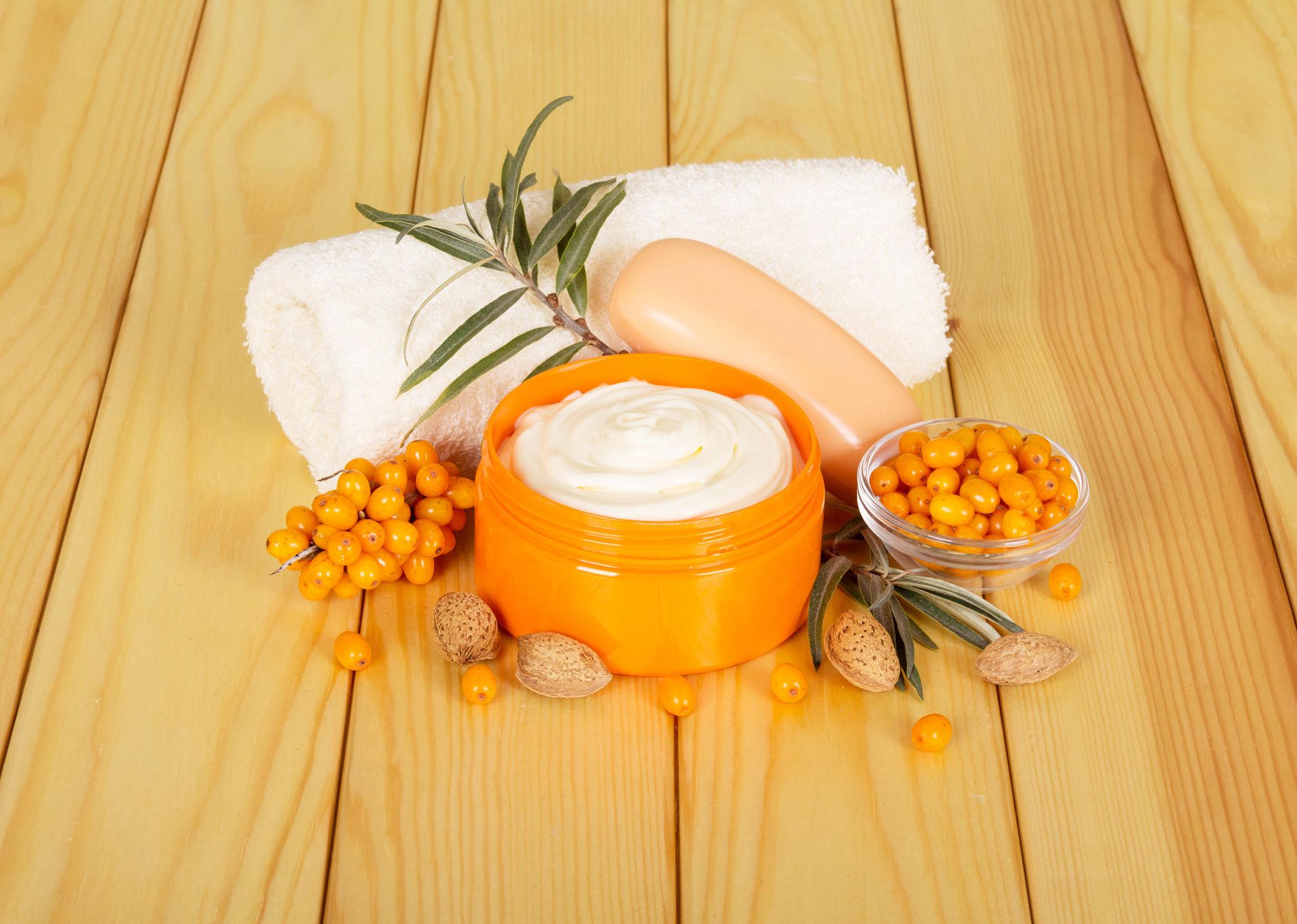
- Antioxidant Defense for Environmental Protection
One of the strongest formulation arguments for Sea Buckthorn is its antioxidant profile.
Skin is constantly exposed to oxidative stress from UV radiation, airborne pollutants, smoke, and inflammatory processes. Over time, oxidative stress can weaken skin barrier integrity, contribute to dullness, and accelerate collagen degradation.
Sea Buckthorn oil contains naturally occurring antioxidants including:
- Carotenoids
- Tocopherols and tocotrienols
- Flavonoids
- Phenolic compounds
Together, these compounds help scavenge reactive oxygen species (ROS), reducing oxidative stress in the skin. This makes Sea Buckthorn especially attractive for masks positioned around urban defense, anti-fatigue skincare, radiance recovery, and post-exposure nourishment.
For spa-grade skincare, this antioxidant narrative strongly aligns with modern consumer demand for “protective wellness skincare.”
- Essential Fatty Acids That Reinforce Barrier Function
Healthy-looking skin depends heavily on a well-functioning lipid barrier.
Sea Buckthorn fruit oil is rich in fatty acids that help support transepidermal water retention and soften dry or compromised skin. Notably, it contains palmitoleic acid (omega-7), a relatively uncommon fatty acid in plant oils that has attracted attention for its role in skin-conditioning and tissue-supportive applications. It also provides linoleic and alpha-linolenic acids, which are important in maintaining skin barrier quality.
In cream mask formulations, these lipids help:
- Improve emolliency
- Reduce visible dryness and roughness
- Support moisture retention
- Enhance softness and suppleness
This makes Sea Buckthorn particularly relevant for dehydrated, mature, post-procedure-supportive, or environmentally stressed skincare products.
- Radiance and Skin Revitalization
Dull skin is often linked to dehydration, oxidative stress, and disrupted barrier function.
Sea Buckthorn addresses these pathways indirectly by supporting hydration, replenishing lipids, and delivering antioxidant compounds that help improve the appearance of fatigued or uneven-looking skin. Its carotenoid-rich composition also contributes to its reputation as a “radiance-enhancing” ingredient in luxury skincare.
For brand owners, this makes it highly marketable in formulations targeting:
- Glow recovery
- Skin revitalization
- Nourishing overnight masks
- Brightening support (appearance-focused, not pigment-correcting claims)
This positions it well in premium “radiance ritual” or “revival treatment” product lines.

Why Pair Sea Buckthorn with Centella asiatica?
Centella asiatica (Cica) is widely studied for soothing and barrier-supportive effects, particularly due to triterpenoid compounds such as asiaticoside and madecassoside.
When combined with Sea Buckthorn:
Sea Buckthorn contributes:
- Lipid nourishment
- Antioxidant defense
- Barrier-supportive fatty acids
Centella asiatica contributes:
- Skin-calming support
- Visible redness reduction support
- Skin recovery and barrier maintenance
Together, they create a balanced formula that nourishes while helping calm stressed skin—ideal for sensitive, dry, or post-treatment care masks. This synergy is especially useful in professional skincare where clients often want visible comfort plus restoration.
Why Add Camellia japonica Flower Extract?
Camellia japonica flower extract complements this combination through additional botanical antioxidant and conditioning potential.
Camellia species are rich in polyphenols and bioactive compounds that are commonly explored in skincare for:
- Antioxidant support
- Moisture preservation
- Skin-conditioning benefits
- Softening effects
In a cream mask, Camellia japonica can improve the sensory and luxury profile while supporting a “botanical antioxidant complex” positioning. When layered with Sea Buckthorn and Centella, the formulation tells a strong story of defense + recovery + nourishment + radiance.
This is particularly compelling in premium spa and aesthetic branding, where consumers expect efficacy paired with sensory indulgence.

Why Sea Buckthorn Works So Well in Cream Masks
Cream masks are naturally ideal delivery systems for lipid-rich botanicals.
Because masks remain on the skin longer than cleansers and often provide occlusive hydration, they can help support prolonged contact between emollient-rich ingredients and the stratum corneum.
Sea Buckthorn performs especially well in this format because it:
- Integrates well into emulsion-based systems
- Supports richer textures associated with luxury masks
- Reinforces nourishment claims
- Enhances “recovery treatment” positioning
- Appeals to consumers seeking botanical, wellness-driven skincare
For spas and aesthetic clinics, this makes Sea Buckthorn-based cream masks easy to position as restorative finishing treatments, glow masks, barrier-repair support masks, or intensive nourishment therapies.
Why Brand Owners Should Pay Attention
From a formulation and marketing perspective, Sea Buckthorn offers rare multifunctionality.
Instead of relying on a single “hero benefit,” it supports multiple high-value skincare claims:
- Antioxidant-rich care
- Environmental defense support
- Barrier nourishment
- Dryness relief
- Glow enhancement
- Botanical luxury positioning
Combined with Centella asiatica and Camellia japonica flower extract, it creates a highly sophisticated botanical system suitable for premium cream masks, facial rituals, spa-exclusive products, and recovery-focused skincare collections.
As consumer demand continues shifting toward barrier health, radiance recovery, and ingredient transparency, Sea Buckthorn is not just aesthetically attractive—it is scientifically credible and commercially strategic.
Final Thoughts
Sea Buckthorn (Hippophae rhamnoides) fruit oil stands out as one of skincare’s most versatile botanical lipids. Rich in antioxidants, essential fatty acids, and bioactive compounds, it offers meaningful support for hydration, barrier integrity, and visible skin vitality.
When paired with Centella asiatica and Camellia japonica flower extract in a cream mask, it creates a formulation that aligns beautifully with modern skincare priorities: repair, resilience, nourishment, and radiance.
For aesthetic, spa-grade, and luxury beauty brands, that makes it a highly compelling ingredient story.
References
- Zielińska A, Nowak I. Abundance of active ingredients in sea-buckthorn oil. Lipids in Health and Disease. 2017.
- Koskovac M, Cupara S, Kipic M, et al. Sea Buckthorn Oil—A Valuable Source for Cosmeceuticals. Cosmetics (MDPI). 2017.
- Solà Marsiñach M, Cuenca AP. The impact of sea buckthorn oil fatty acids on human health. Lipids in Health and Disease. 2019.
Evidence on Centella asiatica triterpenoids and barrier-supportive skincare mechanisms (ingredient review discussion aligned with published dermatologic research).