Witch hazel is arguably one of the most debated ingredients in the beauty industry. Some skincare enthusiasts swear by it for banishing breakouts and controlling shine, while others avoid it entirely, claiming it strips the skin and destroys the moisture barrier.
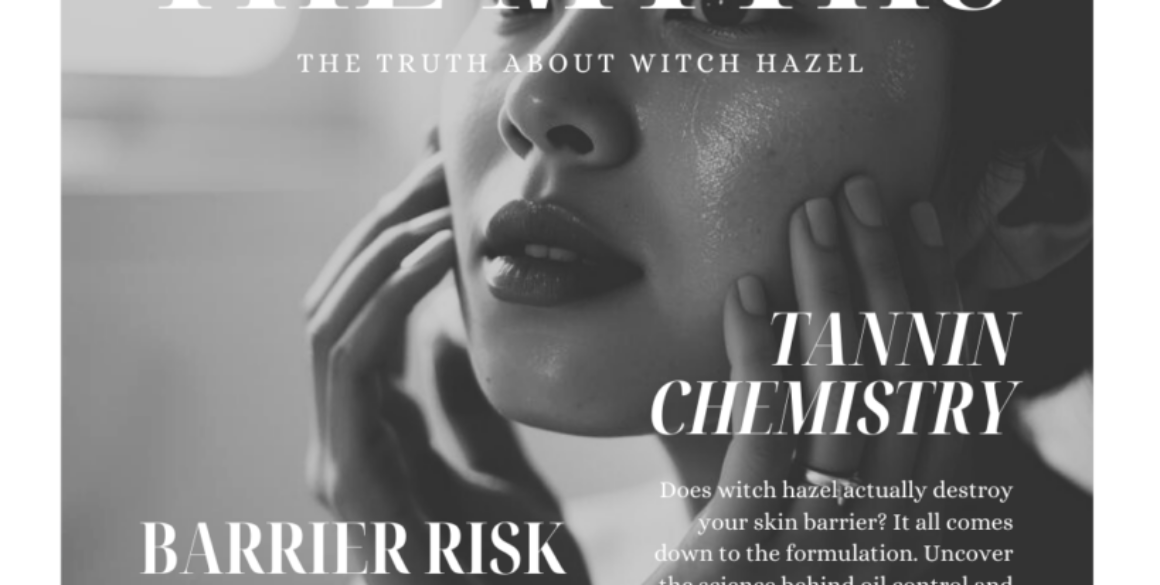
So, what is the actual truth? As with most things in cosmetic science, the answer isn’t black and white. It comes down to the chemistry of the plant and, most importantly, how it is formulated. Let’s separate the myths from the facts.
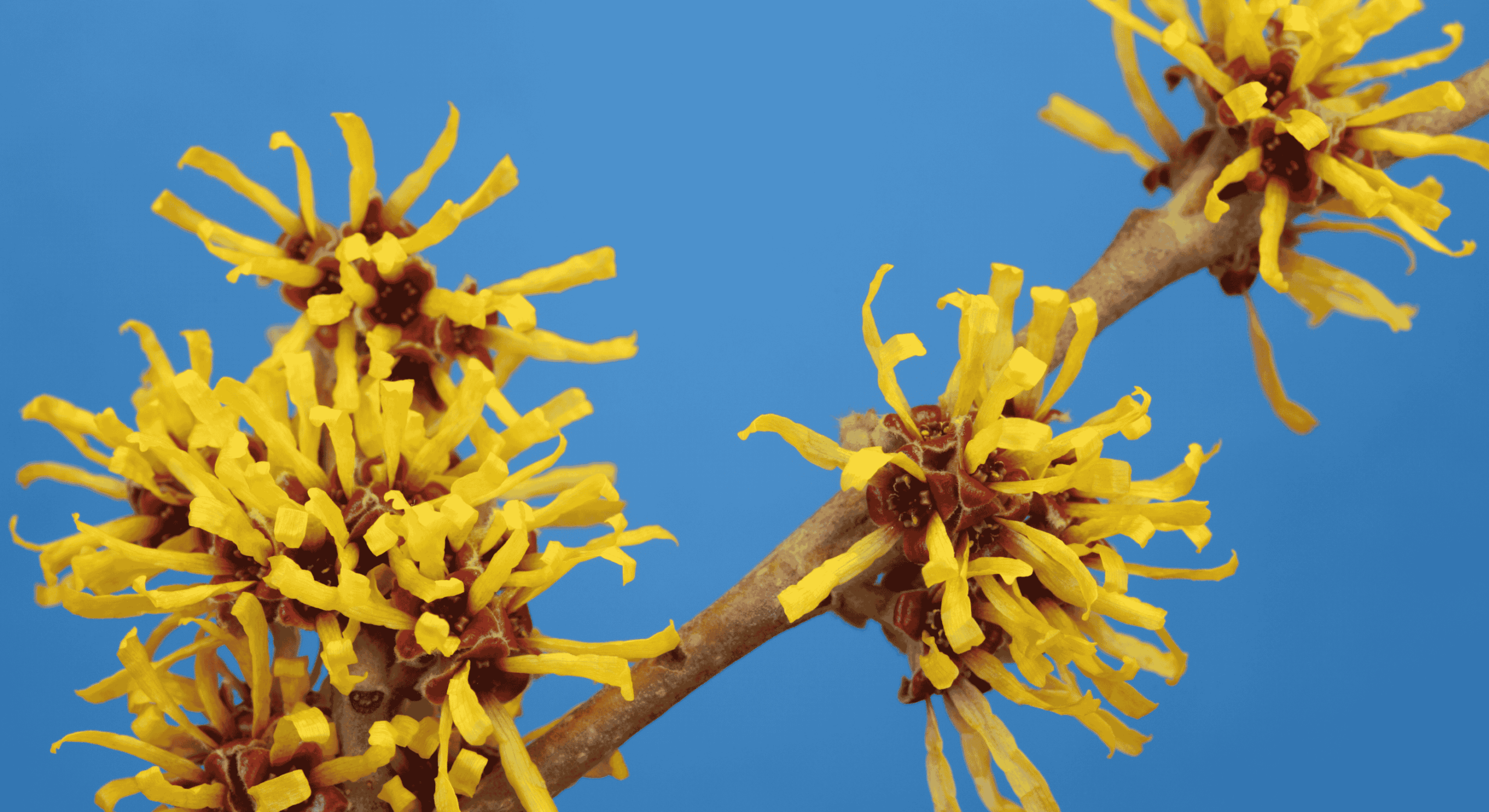
The Chemistry: Tannins and the “Tightening” Effect
The true power of witch hazel (Hamamelis virginiana) lies in a group of naturally occurring, complex organic compounds called tannins.
Tannins are natural astringents. When you apply a tannin-rich ingredient to your face, a fascinating biochemical reaction occurs:
- Protein Binding: Tannins naturally cross-link and bind with keratin proteins on the outermost layer of your skin.
- The Astringent Action: This binding process causes the skin tissues to temporarily contract and pull together.
This is the exact science behind why witch hazel gives your skin that immediate “tightening” effect and visibly reduces the appearance of enlarged pores.
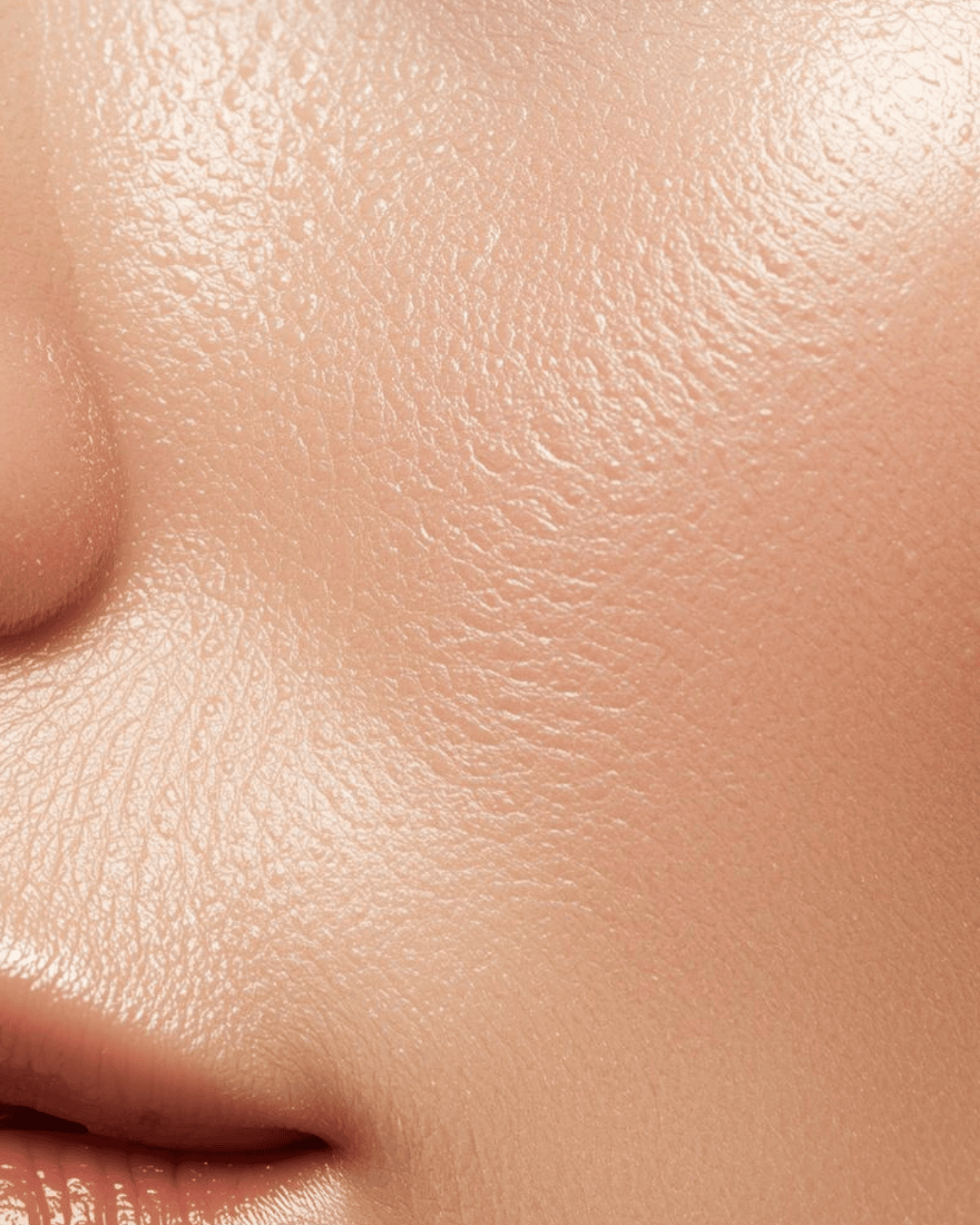
Historically, witch hazel gained a bad reputation because traditional extraction methods relied on incredibly high concentrations of denatured alcohol (sometimes up to 14% or more). It was the alcohol—not the witch hazel—that was evaporating water from the skin, stripping natural lipids, and leaving the skin barrier compromised.
In modern, high-quality skincare, witch hazel is often extracted using alcohol-free or low-alcohol distillation methods. When a cosmetic chemist pairs witch hazel with hydrating humectants and barrier-supporting ingredients, it delivers all the purifying benefits without any of the stripping effects.
How We Harness Witch Hazel in Our Purifying Line
We believe in utilizing the proven power of tannin chemistry while fiercely protecting your skin’s delicate moisture barrier. Our formulations rely on smart, balanced extraction methods.
You can find expertly formulated witch hazel in our Purifying Line, designed specifically to control breakouts and oil while keeping your skin hydrated:
- Cleansing Gel (Purifying Line): A balanced daily cleanser that uses witch hazel to gently sweep away excess sebum and daily impurities. It leaves your skin feeling exceptionally clean, but never tight or “squeaky.”
- Purifying Toner: An essential post-cleanse step. This toner harnesses the astringent properties of natural tannins to visibly tighten pores and balance the skin’s pH, prepping it for the rest of your routine.
- Purifying Serum: A potent but gentle targeted treatment. It combines the antimicrobial, oil-controlling benefits of witch hazel with soothing agents to calm active blemishes while supporting long-term barrier health.
Witch hazel is not the enemy of modern skincare—poor formulation is. When engineered correctly, it remains one of the most effective natural ingredients for clear, balanced, and refined skin.
References
- Thring, T. S., Hili, P., & Naughton, D. P. (2011). “Antioxidant and potential anti-inflammatory activity of extracts and formulations of white tea, rose, and witch hazel on primary human dermal fibroblast cells.” Journal of Inflammation, 8(1), 27.
- Deters, A., Dauer, A., Schnetz, E., Fartasch, M., & Hensel, A. (2001). “High molecular weight extracts and proanthocyanidins from bark of Hamamelis virginiana: influence on human skin keratinocyte proliferation and differentiation and influence on irritated skin.” Phytochemistry, 58(6), 949-958.
- Reuter, J., Wölfle, U., Korting, H. C., & Schempp, C. (2010). “Which plant for which skin disease? Part 1: Atopic dermatitis, psoriasis, acne, condyloma and herpes simplex.” JDDG: Journal der Deutschen Dermatologischen Gesellschaft, 8(10), 788-796.