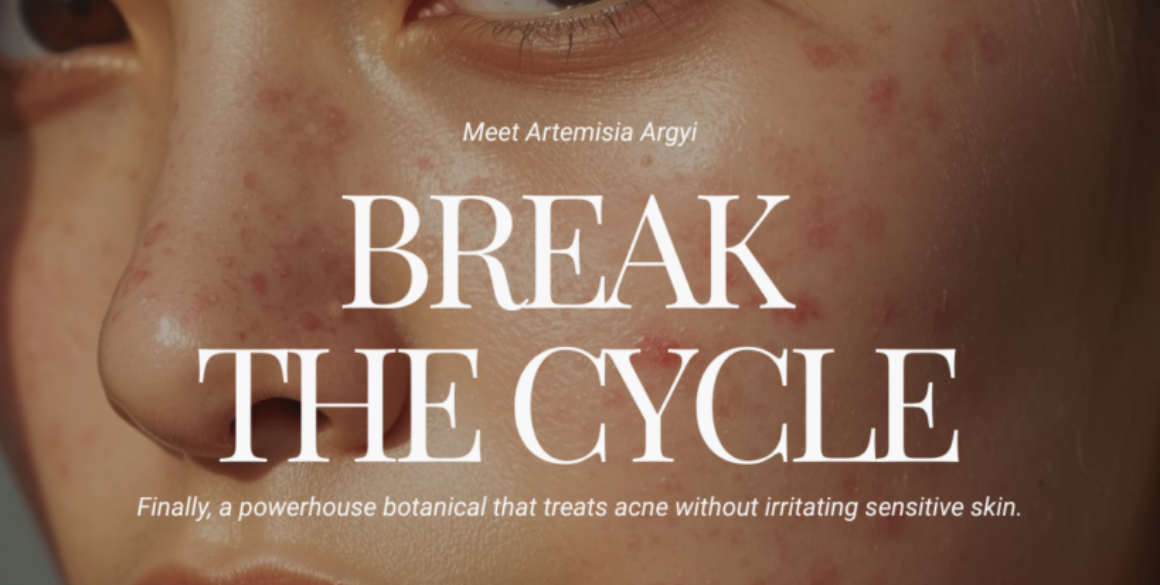
The demand for plant-derived, clinically validated skincare is at an all-time high, especially for those managing the frustrating cycle of acne and skin sensitivity. While many botanical extracts offer generalized soothing benefits, few possess the targeted, multi-pathway efficacy of Artemisia Argyi, commonly known as Mugwort.
Far from being just a traditional remedy, modern dermatological science has uncovered exactly how Artemisia Argyi functions at a cellular level. By leveraging its complex profile of bioactives, this resilient botanical offers a highly effective, scientifically backed solution for calming inflammation, neutralizing acne-causing bacteria, and repairing a compromised skin barrier.
Here is a deep dive into the clinical mechanisms that make Mugwort a powerhouse for reactive skin.
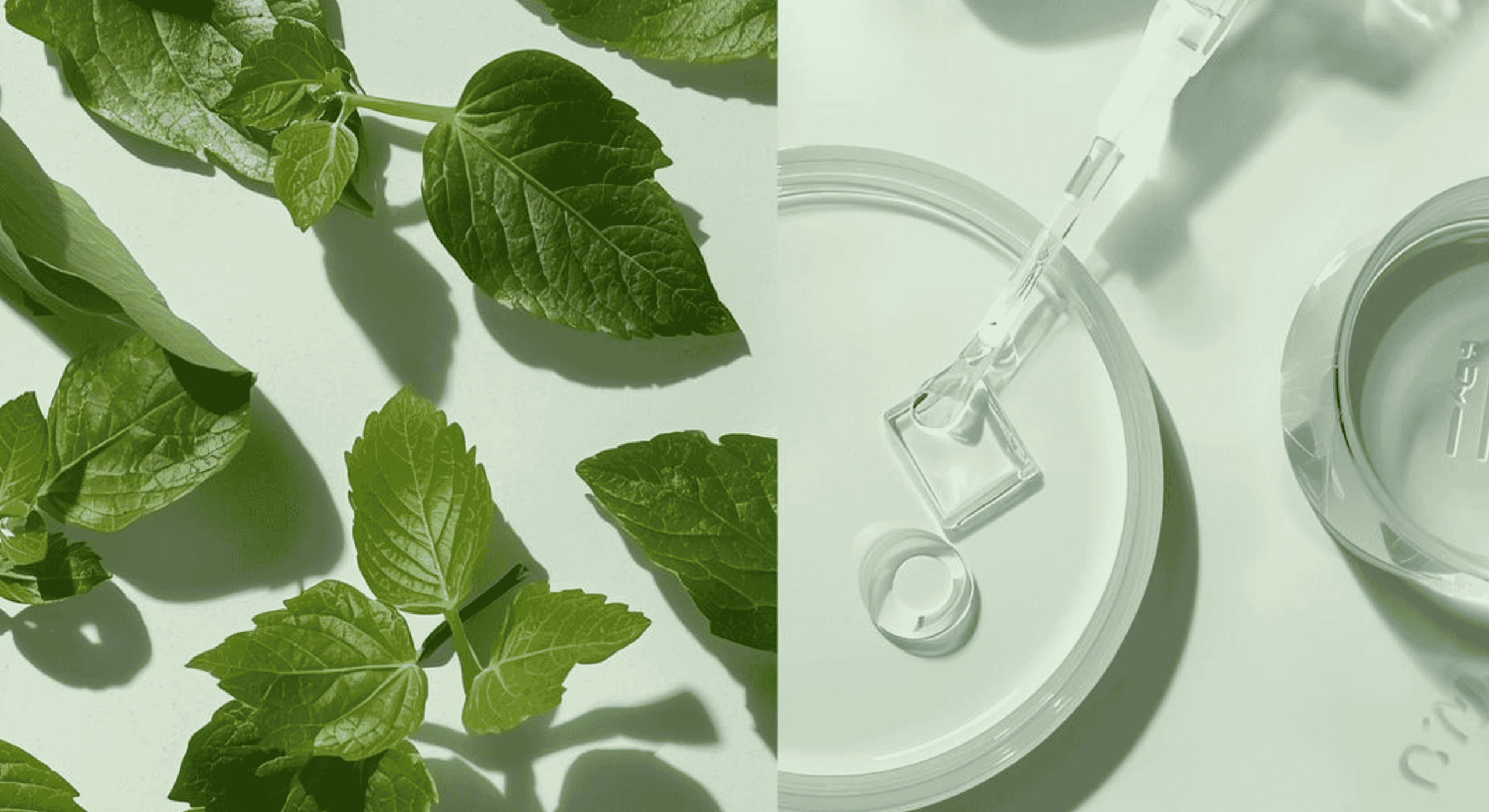
The Biochemical Profile: Flavonoids & Essential Oils
The therapeutic power of Artemisia Argyi lies in its rich phytochemical composition. When extracted correctly, the plant yields two primary categories of skin-healing compounds:
- Flavonoids & Polyphenols: Compounds like jaceosidin and eupatorin act as potent antioxidants. They neutralize the free radicals generated by environmental stressors and UV exposure, which are known to exacerbate sensitive skin and degrade the lipid barrier.
- Essential Oils (Terpenoids): Mugwort essential oil is packed with volatile bioactives, including 1,8-cineole, borneol, and terpineol. These specific terpenoids are the engines behind the plant’s aggressive defense against microbial overgrowth and its ability to rapidly penetrate the skin’s upper layers to deliver relief.
Core Mechanisms of Action
For individuals battling concurrent acne and sensitivity, harsh chemical exfoliants can often do more harm than good by stripping the skin. Artemisia Argyi offers a biomimetic alternative, addressing breakouts and redness through three distinct pathways:
- Reducing Inflammatory Cytokines (Acne + Redness)
Inflamed, cystic acne and generalized facial redness are driven by an overactive immune response in the skin. Studies show that Artemisia Argyi directly modulates this response by inhibiting the NF-κB signaling pathway. By doing so, it significantly reduces the production of pro-inflammatory cytokines—specifically Interleukin-1β (IL-1β), Interleukin-6 (IL-6), and Tumor Necrosis Factor-alpha (TNF-α). The clinical result is a rapid reduction in the heat, swelling, and erythema (redness) associated with angry breakouts and compromised barriers.
- Targeted Antibacterial Activity
Unlike broad-spectrum synthetic antibiotics that can disrupt the skin’s natural microbiome, the terpenoids in Mugwort essential oil exhibit targeted antibacterial action. Compounds like terpineol interact directly with the lipid membranes of pathogenic bacteria (such as Staphylococcus aureus and Escherichia coli). They form hydrogen bonds that increase bacterial membrane permeability, causing the bacteria to break down and die off without damaging surrounding healthy skin cells.
- Sebum Regulation
Acne thrives in an oxygen-depleted environment fueled by excess sebum production. Artemisia Argyi acts as a natural astringent and sebum-regulator. By balancing the skin’s oil-to-water ratio, it prevents the localized pooling of sebum inside pores, effectively cutting off the fuel supply for future breakouts while maintaining optimal hydration levels.
How to Incorporate Mugwort into Your Routine
To harness the full scientific potential of Artemisia Argyi, we have integrated its active fractions into targeted steps of our skincare catalogue:
- Purifying Cleanser: Formulated to leverage the natural antibacterial and sebum-regulating properties of Mugwort. This daily cleanser removes excess oil and environmental debris while disrupting acne-causing bacteria—all without stripping the skin of its essential moisture.
- Acne Gel Mask: A highly concentrated, flash-cooling treatment. By delivering a concentrated dose of flavonoids, this mask actively downregulates the inflammatory cytokines causing your flare-ups, immediately reducing visible redness and soothing active, painful pimples.
- Skin Repair Formulations: Designed for long-term barrier resilience. These formulations lock in Mugwort’s polyphenols to heal the micro-tears in a damaged stratum corneum, reinforcing the skin’s defenses against future sensitivity and environmental triggers.
Artemisia Argyi bridges the gap between gentle botanical care and clinical acne intervention. By addressing the root mechanisms of inflammation and bacterial overgrowth, it allows sensitive, acne-prone skin to finally find balance, clarity, and relief.
References
- Chen, H., et al. (2024). Arteannuin B, a sesquiterpene lactone from Artemisia, attenuates inflammatory response by inhibiting the ubiquitin-conjugating enzyme UBE2D3-mediated NF-κB activation. Phytomedicine, 124, 155263.
- Ding, et al. (2023) & Wen, et al. (2024). Pharmacological and bioactive properties of Artemisia argyi essential oil: Antibacterial mechanisms via cell membrane depolarization and targeted lipid disruption. Frontiers in Pharmacology.
- Maxim, C., et al. (2025). Potential of Artemisia hydroalcoholic extracts in skin care and dermatocosmetic products: Flavonoid concentrations and antioxidant capacities. Notulae Botanicae Horti Agrobotanici, 53(4).
- Wu, X., et al. (2022). Artemisia water extract attenuates induced dermatitis by restraining cell-mediated inflammatory responses and cytokine reduction. Journal of Ethnopharmacology, 291, 115160.