In today’s competitive skincare market, acquiring a new customer is significantly more expensive than retaining an existing one. For brand owners, the most effective way to scale revenue without exponentially increasing marketing spend is by focusing on Average Order Value (AOV).
The secret to boosting AOV isn’t just about upselling; it’s about offering targeted, highly specific treatments that customers perceive as essential steps to complete their daily routine. By introducing specialized add-ons like dedicated eye care and intensive masks, you provide high-margin upgrades that existing customers are eager to adopt.
Here is a closer look at two strategic formulations designed to expand your product line and naturally increase your AOV.
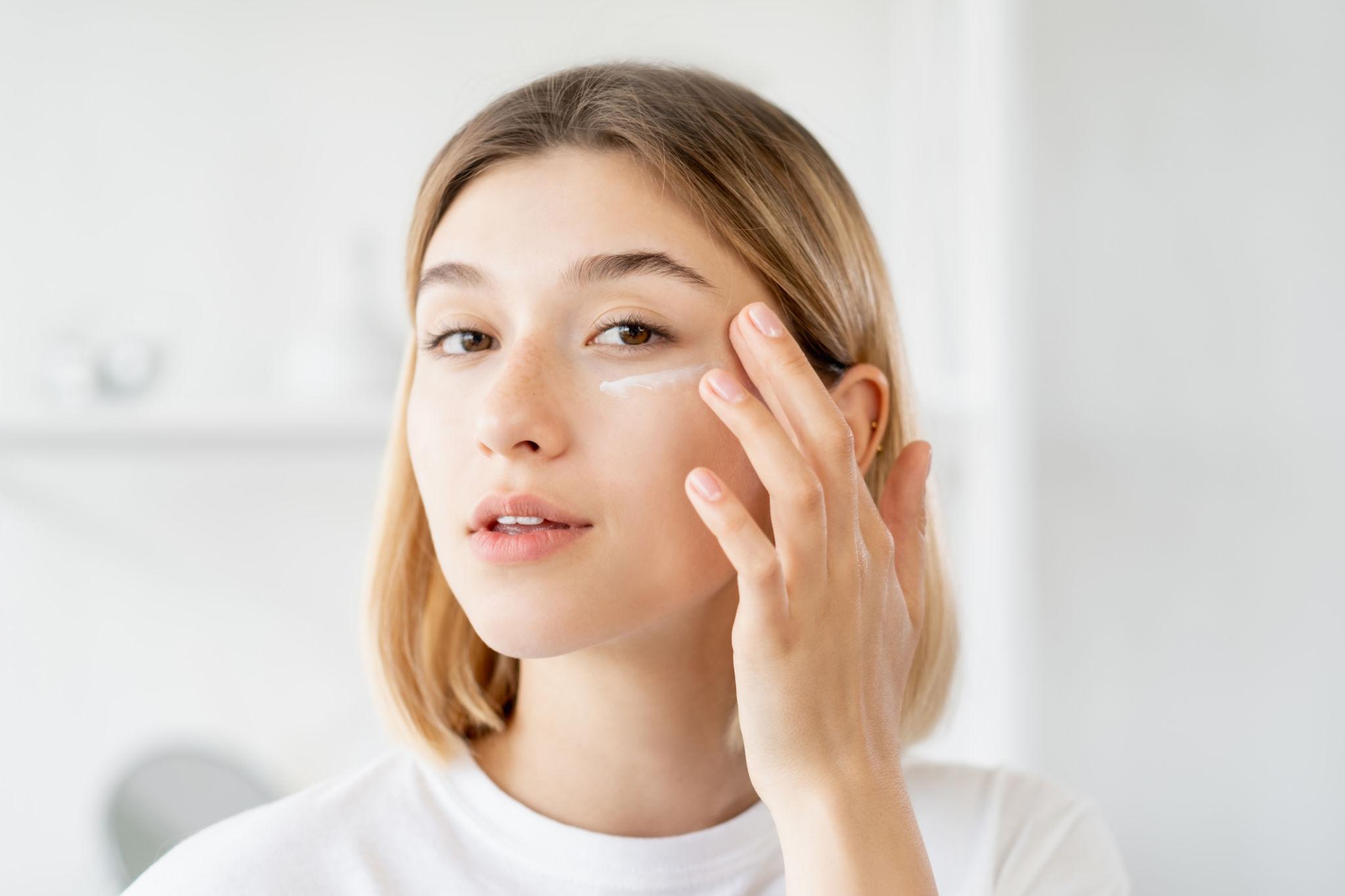
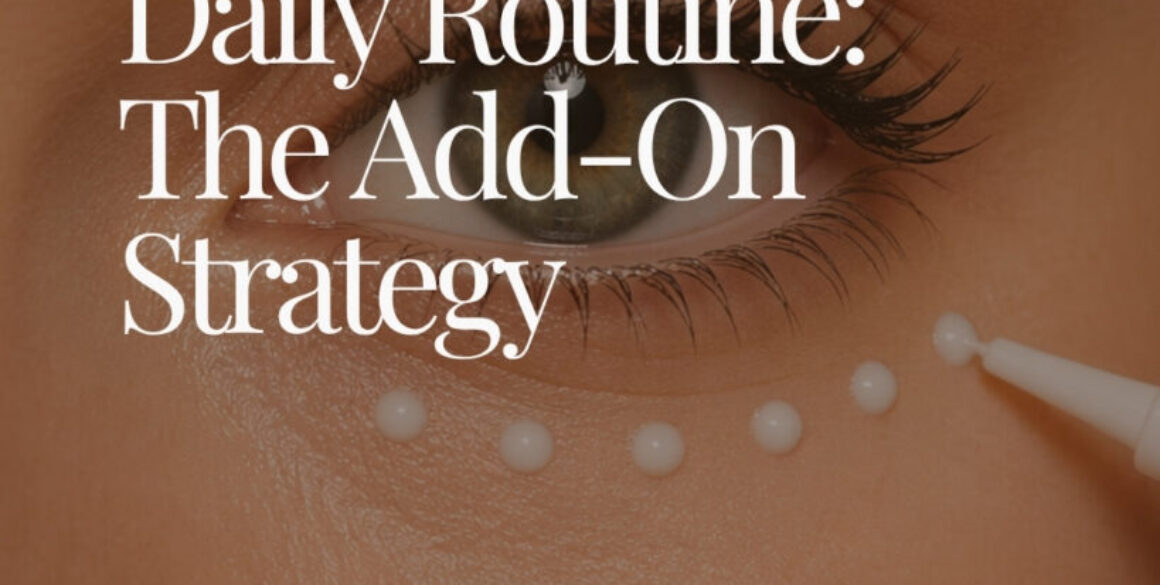
The Routine Completer: Eye Cream (Code 3523)
The delicate skin around the eyes is often the first area consumers look to treat with a specialized product. Positioning a targeted eye cream as a non-negotiable final step in a skincare regimen is a proven strategy for increasing basket size.
This specific formulation (Code 3523) relies on a synergistic blend of well-researched ingredients designed to address the appearance of the under-eye area without relying on exaggerated claims.
Key Ingredient Highlights:
- Ginkgo Biloba Extract: Rich in flavonoids and polyphenols, Ginkgo biloba serves as a potent antioxidant. In cosmetic formulations, it is utilized to help defend the skin against environmental stressors and soothe the delicate under-eye area, promoting a more refreshed appearance.
- Niacinamide (Vitamin B3): A highly stable and versatile cosmetic ingredient. Niacinamide is widely recognized for its ability to support the skin’s natural moisture barrier. Consistent use helps improve the appearance of uneven skin tone and texture, making the under-eye area look visibly smoother and more balanced.
The B2B Advantage: Eye creams typically command a higher price per ounce. By highlighting the concentrated antioxidant and barrier-supporting properties of Ginkgo biloba and Niacinamide, you offer a premium, high-margin product that easily tags along with a standard cleanser and moisturizer purchase.
The Weekly Upgrade: Cream Mask (Code 1727)
While daily routines build brand loyalty, weekly treatments provide the “spa-at-home” experience consumers actively seek. A rich cream mask serves as a perfect cross-sell item, positioned as an essential weekly boost to maintain overall skin hydration and vitality.
Formulation Code 1727 is anchored by a botanical oil renowned for its dense nutritional profile, offering an intensive moisturizing experience.
Key Ingredient Highlight:
- Hippophae Rhamnoides (Sea Buckthorn) Fruit Oil: Extracted from the berries of the Sea Buckthorn plant, this oil is exceptionally rich in essential fatty acids (including Omegas 3, 6, 7, and 9) and naturally occurring vitamins. In topical applications, it acts as an excellent emollient, deeply nourishing the stratum corneum (the outermost layer of the skin). It helps to lock in moisture, preventing transepidermal water loss (TEWL), and leaves the skin feeling softer, more supple, and visually revitalized.
The B2B Advantage: Masks are inherently experiential. By marketing the Cream Mask as a targeted hydration booster featuring the unique lipid profile of Sea Buckthorn oil, you create a compelling add-on. Customers purchasing daily moisturizers are highly likely to add a weekly treatment to maximize their results, directly driving up your AOV.
Strategy Takeaway for Brand Owners
To successfully leverage these products, the marketing narrative should shift from “buying more” to “completing the regimen.”
- Bundle Smartly: Offer the Eye Cream (3523) and Cream Mask (1727) as part of a “Complete Care Kit” alongside your best-selling daily moisturizers.
- Focus on Education: Use the ingredient profiles above to educate your consumers. When they understand why Niacinamide supports the eye barrier or how Sea Buckthorn oil prevents moisture loss, the purchase becomes logical rather than impulsive.
- Stay Compliant: Stick to structural and cosmetic claims (e.g., “improves the appearance of,” “supports the moisture barrier,” “deeply hydrates”) to build long-term trust and remain within advertising regulations.
By strategically introducing these targeted formulations, you provide undeniable value to your customers while securing a healthier, more robust AOV for your brand.
References & Citations
- Ginkgo Biloba: * Chularojanamontri, L., et al. (2014). “Moisturizers for Acne.” The Journal of Clinical and Aesthetic Dermatology, 7(5), 36–44. (Notes antioxidant and soothing properties of botanical extracts including Ginkgo).
- Niacinamide: * Levin, J., & Momin, S. B. (2010). “How Much Do We Really Know About Our Favorite Cosmeceutical Ingredients?” The Journal of Clinical and Aesthetic Dermatology, 3(2), 22–41. (Details Niacinamide’s role in barrier function and appearance of skin tone).
- Hippophae Rhamnoides (Sea Buckthorn): * Zielińska, A., & Nowak, I. (2017). “Abundance of active ingredients in sea-buckthorn oil.” Lipids in Health and Disease, 16(1), 95. (Highlights the fatty acid profile and emollient benefits for skin hydration).
Disclaimer: The ingredient benefits listed above are for educational and B2B marketing reference. Brand owners must ensure that all final B2C marketing materials and claims comply with local cosmetic regulatory bodies (e.g., FDA, EMA) in their respective markets.