What are Neurotransmitter Inhibitor Peptides?
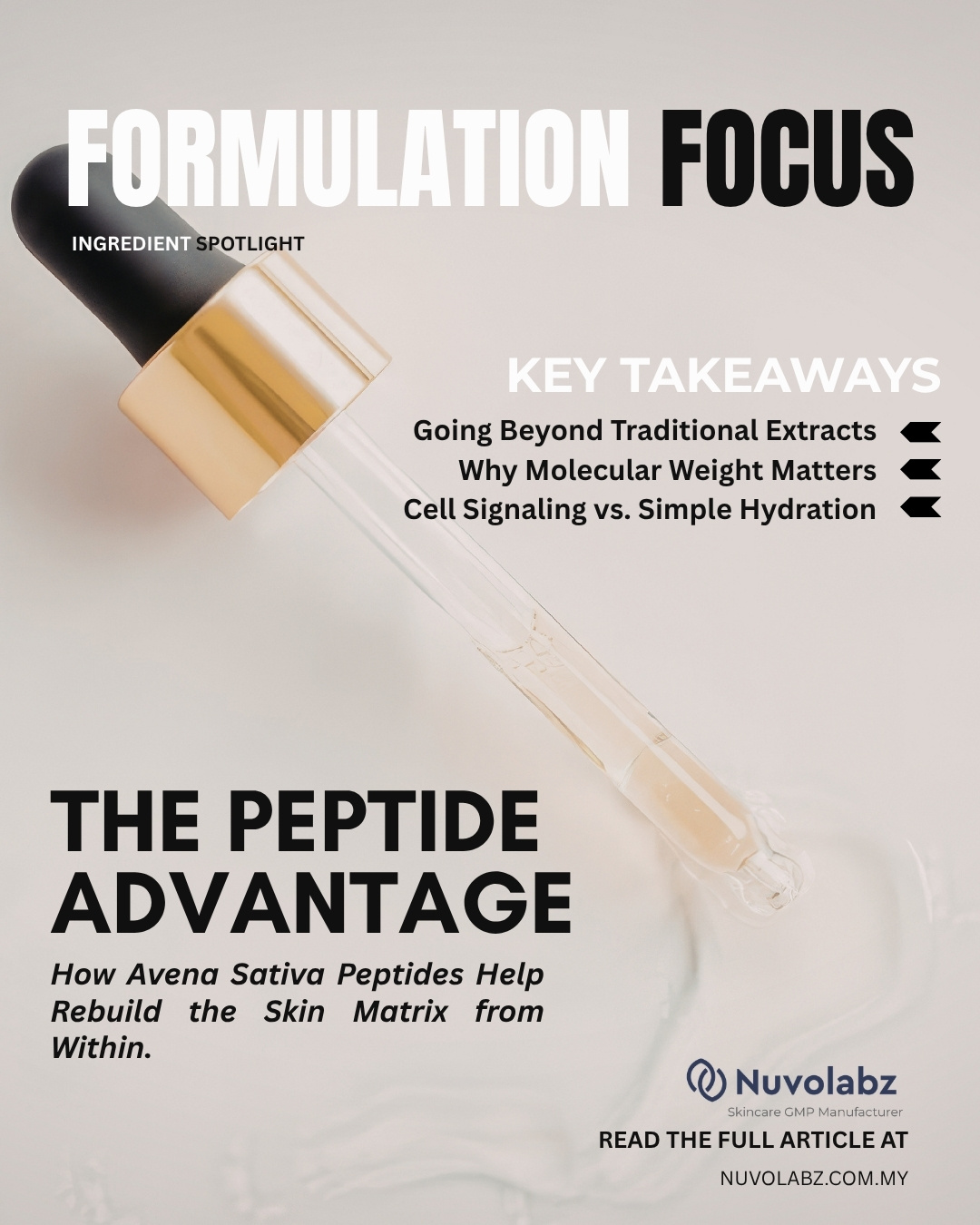
Neurotransmitter inhibitor peptides are innovative molecules designed to mimic the action of botulinum neurotoxin A (commonly known as Botox). While Botox is typically administered via injection, these topical alternatives offer a less toxic potential and have gained significant popularity for their effective anti-wrinkle activity.
The Science of a Smile (and a Wrinkle)
To understand how these peptides work, we must first look at how wrinkles form:
- The Major Player: Acetylcholine is the primary neurotransmitter involved in the muscle contraction process.
- The Tension: During contraction, substantial compressive tensions are generated within the skin.The Result: This tension leads to the formation of fine lines and wrinkles.
- The Correlation: The depth and shape of these lines are directly correlated to the intensity of muscle contraction.

Figure 1. Mechanisms of neurotransmitter inhibitor action in dynamic wrinkle treatment. Normal neuromuscular activity leading to wrinkle formation (A); botulinum toxin inhibiting acetylcholine release by cleaving SNAP-25 (B); and topical alternatives (peptides and extracts) interfering with acetylcholine signaling and enhancing skin structure (C).
Mechanism of Action: How They Work
Normal neuromuscular activity involves a cascade where acetylcholine vesicles fuse with the cell membrane to release neurotransmitters, signaling the muscle to move. Neurotransmitter inhibitor peptides disrupt this signal in several ways:
- SNARE Complex Destabilization: Peptides like Argireline® (Acetyl hexapeptide-3) are fragments of the SNAP-25 protein. They compete for binding sites in the SNARE complex, destabilizing its structure.
- Inhibiting Release: This destabilization hinders the release of acetylcholine at nerve endings.
- Muscle Relaxation: Without the acetylcholine signal, muscle cell contraction is inhibited, leading to muscle relaxation.
- Skin Enhancement: This process effectively smooths out wrinkles and leads to enhanced skin firmness and tone.
Leading Peptide Alternatives
Studies have documented various outcomes for these topical treatments, summarized in the following table:
Table 1: Comparative Efficacy of Topical Peptides
| Peptide Name | Commercial Name | Mechanism of Action | Clinical Findings |
| Acetyl Hexapeptide-8 (or -3) | Argireline®, WrinFix-H8 |
Competes with SNAP-25 to block neurotransmitter release14.
|
Reduced wrinkle depth by up to 30% after 30 days15.
|
| Dipeptide Diaminobutyroyl Benzylamide Diacetate | Syn-Ake, WrinFix-SNA |
Snake venom mimic; antagonizes muscle nAChRs16.
|
Reduced wrinkle size by up to 52% after 28 days17.
|
| Hibiscus esculentus extract | Myoxinol |
Enhances GABAergic transmission to inhibit contraction18.
|
Reduced wrinkle depth by up to 26% after 3 weeks19.
|
| Pentapeptide-3 | Vialox |
Competitive antagonist at ACh postsynaptic membrane receptors20.
|
Reduced skin roughness by 47% and wrinkle depth by 49% after 28 days21. |
Case Study Focus: WrinFix Series
1. WrinFix-H8 (Acetyl Hexapeptide-8)
This hexapeptide fragment mimics the SNAP-25 protein structural domain.
- Efficacy: In studies of healthy Chinese female volunteers (average age 46), 200 ppm cream significantly reduced facial wrinkles and enhanced elasticity over 4 weeks.
- Formulation: It is highly water-soluble and should be processed below 45°C.
2. WrinFix-SNA (Snake-Tripeptide)
Derived from snake venom toxin Waglerin I, this peptide prevents acetylcholine from binding to receptors at the post-synaptic membrane.
- Speed: It serves as an active ingredient with instant wrinkle-removing efficacy, down-regulating muscle actions within 2 hours
- Clinical Result: Volunteers showed up to a 19.8% reduction in wrinkle appearance after 28 days of use at 150 ppm.


Safety and Formulation Guidelines
Both WrinFix-H8 and WrinFix-SNA have been widely used in skincare with no adverse reactions reported. Human patch tests confirm their safety under standard test conditions.
Key Formulation Tips:
- Avoid: Strong acids, bases, oxidants, and acid chlorides.
-
Process: Add at the final stage of formulation to maintain high biological activity.
Glossary of Terms: > * ACh: Acetylcholine * SNAP-25: Synaptosomal Associated Protein, 25 kDa * nAChRs: Nicotinic Acetylcholine Receptors