

Ever applied a highly rated skincare product only to have your skin break out even worse than before? Surprisingly, not all breakouts are true acne — it might actually be skin purging!
What Is Skin Purging?
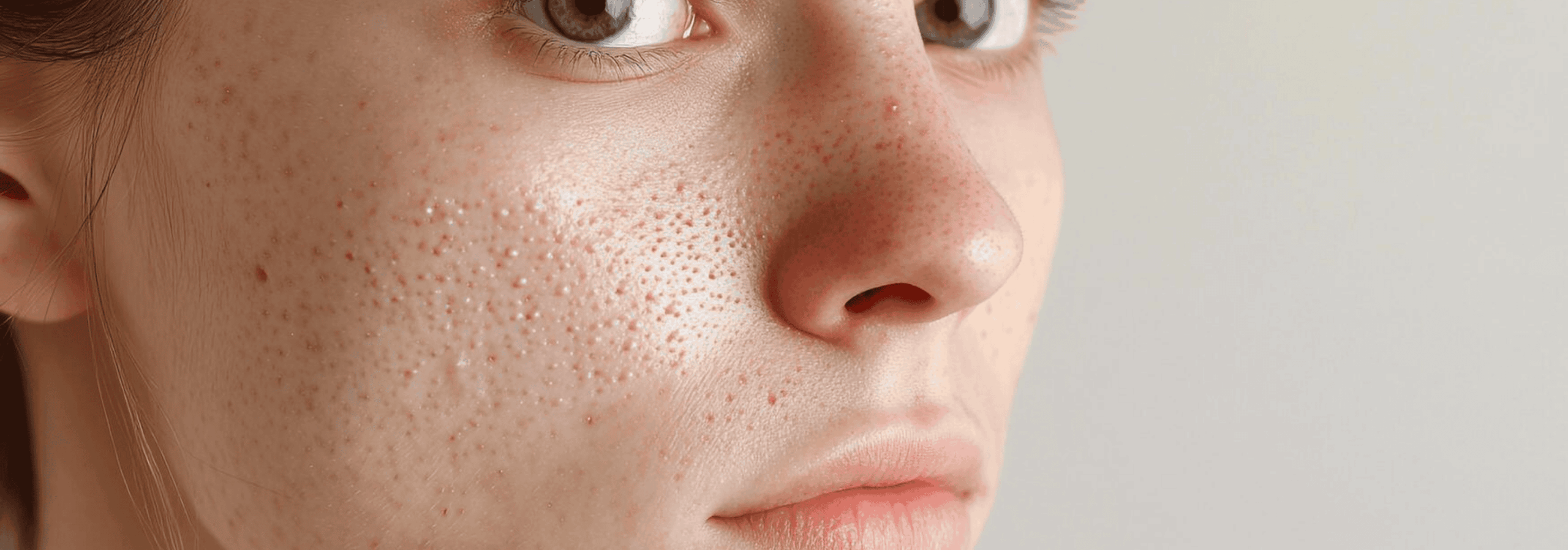
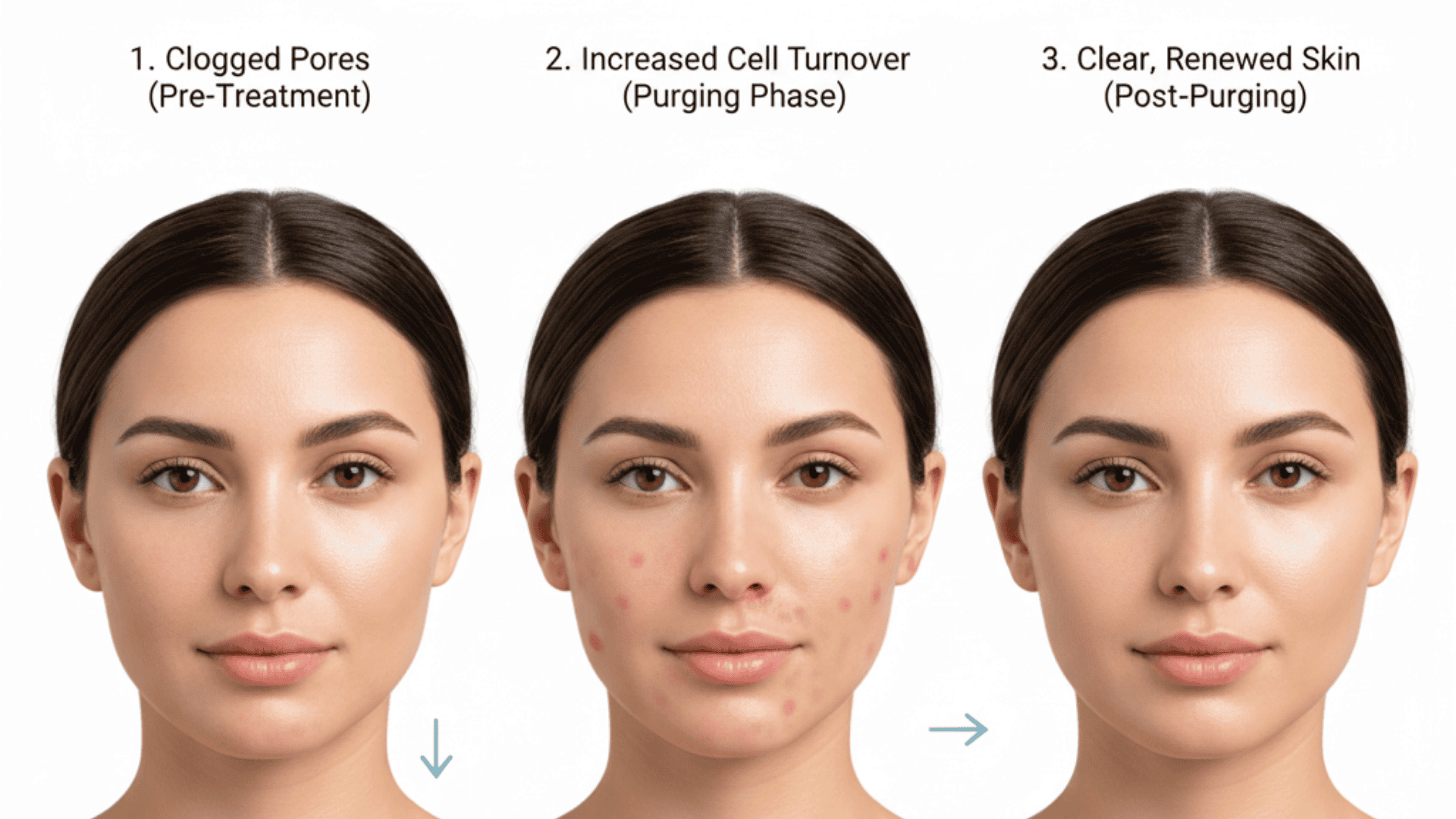
Skin purging is a temporary dermatological response that is often mistaken for an adverse skin reaction. It typically occurs when you begin using active ingredients that stimulate cellular turnover or have keratolytic effects, meaning they help shed dead skin cells faster.
This accelerated exfoliation process (desquamation) encourages your skin to expel impurities — including sebum, dead skin cells (corneocytes), and debris trapped within pores. As a result, you may experience a temporary flare-up of acne-like blemishes such as small bumps, whiteheads, blackheads, or minor breakouts before your skin begins to improve.
In contrast, regular breakouts are caused by oxidation and bacterial activity within sebum, often worsened by external stressors, occlusive products, or hormonal imbalance. These lead to clogged pores, excess oil production, and inflammation.
In essence, purging indicates your skin is adjusting positively — it’s a sign that active ingredients are stimulating the renewal process — while breakouts signal irritation or congestion.
Characteristics of Skin Purging
Many people, especially those with sensitive skin, often hesitate to try new skincare products due to fear of breakouts. That’s why understanding the difference between purging and irritation is key to building an effective skincare routine without unnecessary discomfort.
Below is a clear comparison of how to differentiate skin purging from breakouts and other skin reactions:
| Characteristics | Skin Purging | Breakout | Skin Reaction |
|---|---|---|---|
| Cause | Active ingredients (e.g., retinoids, acids) that accelerate cell turnover. | Clogged pores, bacterial growth, or hormonal fluctuations. | Immune response to irritants or allergens (fragrances, preservatives, etc.). |
| Location | Usually appears in pre-existing breakout zones (T-zone, chin, cheeks). | May occur in new or unrelated areas. | Can appear anywhere, often spreading beyond the application area. |
| Duration | Typically lasts one full skin cycle (around 4–6 weeks) before results are visible. | Can persist for months or years if untreated. | Appears rapidly (within hours to 48 hours) after exposure. |
| Appearance | Includes pimples, whiteheads, blackheads, or mild cystic spots. Skin may feel inflamed but not swollen or itchy. | Red, inflamed pimples or cysts in new areas. | Red, itchy bumps, hives, or swelling (non-pus-filled) that worsen until the product is discontinued. |
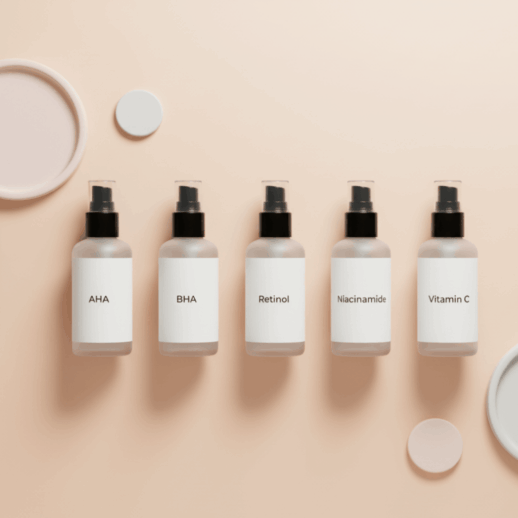
Common Ingredients That May Cause Purging
-
Alpha Hydroxy Acids (AHAs): Glycolic acid, mandelic acid
-
Beta Hydroxy Acids (BHAs): Salicylic acid, lactic acid
-
Enzymatic Exfoliants: Papain, ficin, bromelain, actinidin, catalase
-
Retinoids: Retinol, tretinoin, adapalene, tazarotene
-
Others: Benzoyl peroxide, Vitamin C, Azelaic acid
Note: The skin’s response can vary widely between individuals.
| Radiance Booster | Radiance Serum | Radiance Emulsion |
|
|
|
Among these, Niacinamide (Vitamin B3) is the most likely to slightly increase cell turnover and potentially trigger mild skin purging. It promotes keratinocyte differentiation, strengthens the skin barrier, and induces gentle exfoliation over time. At concentrations of 5% or higher, it may bring clogged pores to the surface, leading to temporary purging.
However, niacinamide is also known for its anti-inflammatory properties, helping to regulate oil production and improve skin texture with minimal irritation — making it a generally well-tolerated ingredient.
Similarly, 4-n-Butylresorcinol, a potent tyrosinase inhibitor and mild exfoliant, can enhance the turnover of pigmented skin cells. This process may occasionally push trapped debris to the surface, causing temporary breakouts in sensitive users. Compared to other brightening agents like arbutin or kojic acid, 4-n-butylresorcinol has higher potency and may cause brief sensitivity or purging before visible improvement.
In short, the risk of purging from niacinamide and 4-n-butylresorcinol is low to moderate, depending on skin sensitivity and ingredient concentration.
Supporting Ingredients and Their Roles
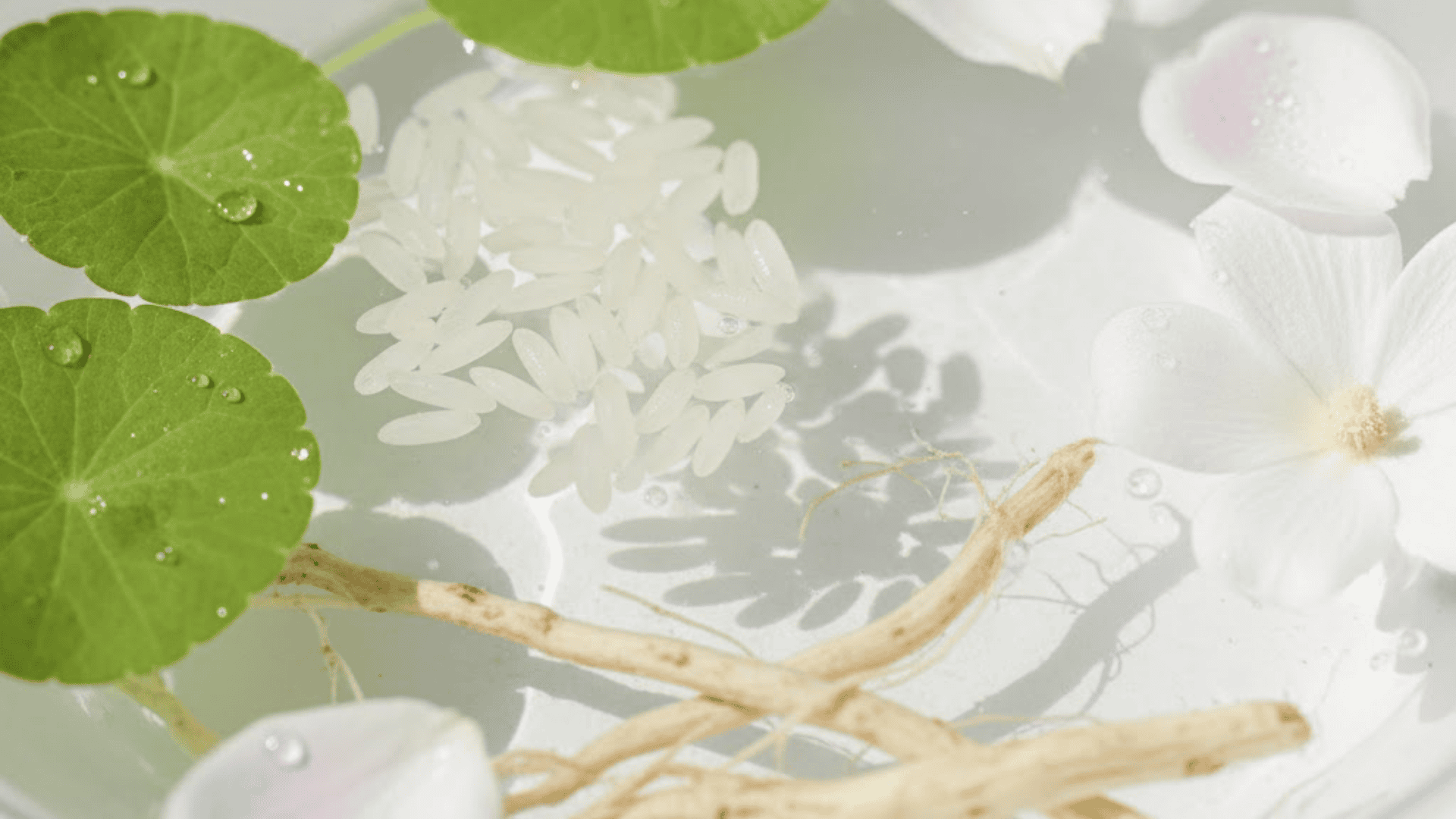
The remaining ingredients in the Nuvolabz Radiance Series are primarily soothing and hydrating, not known to accelerate skin turnover or cause purging:
-
Pisum Sativum (Pea) Extract: Provides antioxidant and calming effects.
-
Chenopodium Quinoa Seed Extract: Rich in amino acids and antioxidants that aid in hydration and skin repair.
-
Althaea Officinalis (Marshmallow Root): Offers soothing and anti-inflammatory benefits.
-
Oryza Sativa (Rice Extract): Helps brighten and moisturize without exfoliating.
-
Glycyrrhiza Glabra (Licorice Root Extract): Reduces inflammation and pigmentation without triggering purging.
Together, these ECO-certified, natural-based actives minimize sensitivity and irritation while delivering superior efficacy through enhanced absorption, stability, and safety.
The Nuvolabz Radiance Series is designed to deeply penetrate the skin, ensuring optimal results without compromising comfort or barrier health.
Final Thoughts
Unlike typical breakouts, skin purging is a sign of progress — it indicates that your skincare product is actively promoting cell renewal. Understanding this process helps you manage it effectively and continue your skincare journey with confidence.
If purging persists beyond 4–6 weeks, it’s advisable to review your skincare regimen or consult a dermatologist for further evaluation.
Written By: Dr. Tan Kian Meng PhD in Engineering Technology (University Tun Hussein Onn Malaysia, UTHM)
References
-
Health. (2023, November 3). Skin purging: What it is and how to treat it. https://www.health.com/skin-purging-7852167
-
Raypole, C. (2023, August 25). Skin purging vs. breakout: Differences and tips. Medical News Today.
-
Stephanie. (2024, December 24). Ingredients that can cause skin purging. Typology.
-
Ghani, H., Rahman, R., Liu, K., & Cubelli, S. (2021). An investigation of makeup ingredients and their effects on acne cosmetica with dermatologic practice recommendations. SKIN The Journal of Cutaneous Medicine, 5(5), 474–481.
-
Liu, H., et al. (2020). Topical azelaic acid, salicylic acid, nicotinamide, sulphur, zinc and fruit acid (alpha‐hydroxy acid) for acne. Cochrane Database of Systematic Reviews, (5).
-
Kim, G. Y., et al. (2018). Anti-wrinkle and skin turnover improvement effects of niacinamide-dipeptide convergence. Asian Journal of Beauty and Cosmetology, 16(2), 243–254.
-
Matts, P. J., Oblong, J. E., & Bissett, D. L. (2002). A review of the range of effects of niacinamide in human skin. IFSCC Mag, 5(4), 285–289.
-
Kolbe, L., et al. (2013). 4‐n‐Butylresorcinol, a highly effective tyrosinase inhibitor for the topical treatment of hyperpigmentation. Journal of the European Academy of Dermatology and Venereology, 27, 19–23.