

In the modern skincare landscape, one step is universally recognized by dermatologists and estheticians alike as non-negotiable: daily sun protection. Yet, for many beauty and skincare brands, SPF remains a glaring gap in their product lineup.
When your customers finish their meticulously crafted morning routine using your cleansers, serums, and moisturizers, they are reaching for a competitor’s sunscreen. By formulating your own premium, cosmetically elegant SPF, you not only complete their regimen but also unlock a vital stream of daily recurring revenue.
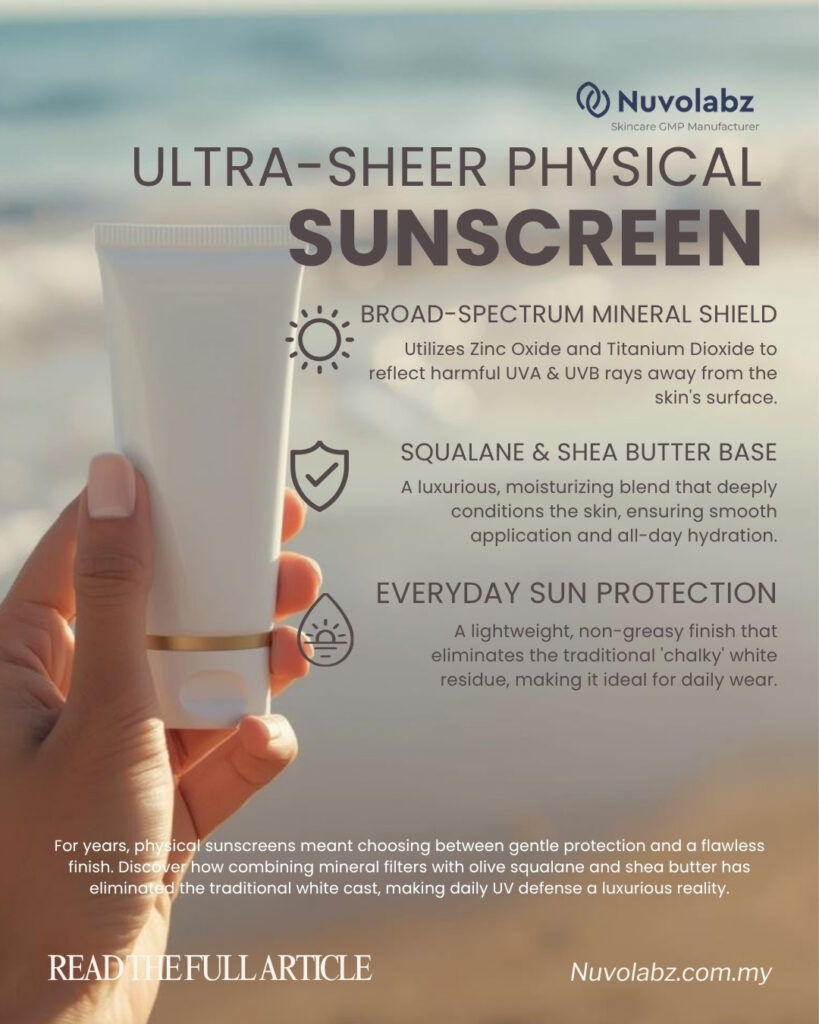
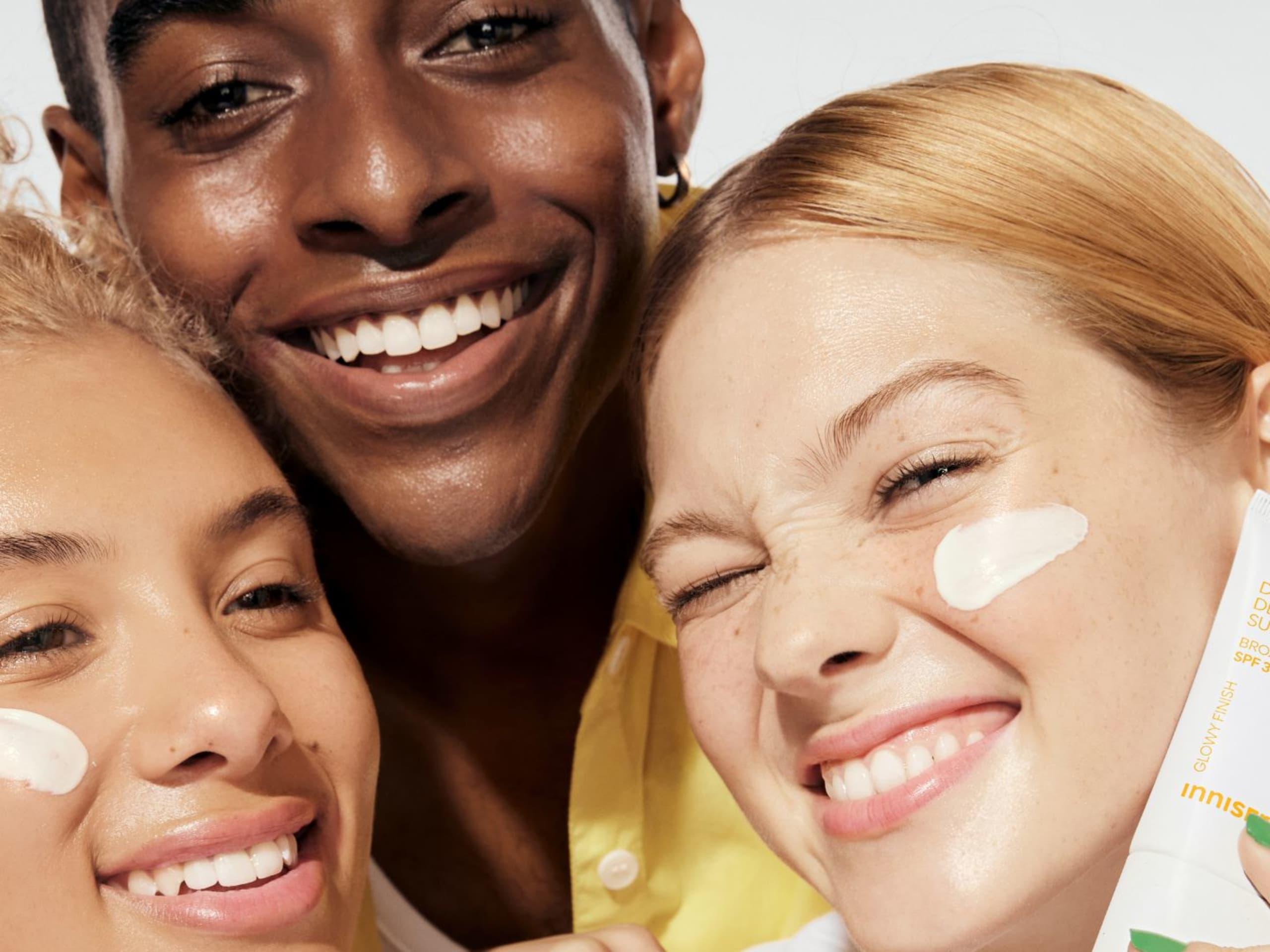
The key to an “easy sell” for daily wear? Overcoming the historical hurdle of the physical sunscreen: the dreaded chalky white cast.

The Evolution of Mineral Sun Care
Historically, physical (mineral) sunscreens have been favored for their gentle nature, making them highly suitable for sensitive skin. However, early iterations were infamous for their thick textures and the ghostly residue they left behind.
Modern formulation science has bridged the gap between efficacy and cosmetic elegance. By carefully suspending high-quality physical blockers in a luxurious, skin-conditioning base, brands can now offer a daily sunscreen that feels more like a high-end moisturizer than a heavy sunblock.
Anatomy of an Elegant Formulation: Highlighting the Ingredients
To create a sunscreen that consumers want to wear every single day, the formulation must balance protection with a flawless finish. Here is how our featured formulations—Sunblock – White (Code 4455) and Sunblock – Tinted (Code 4575)—achieve this balance.
- The Physical Defenders: Zinc Oxide and Titanium Dioxide
Rather than absorbing UV rays, physical sunscreens utilize mineral active ingredients that sit on the skin’s surface, acting as a shield to reflect and scatter ultraviolet radiation.
- Broad-Spectrum Protection: Both Zinc Oxide and Titanium Dioxide are recognized by regulatory bodies globally for providing reliable, broad-spectrum defense against UVA and UVB rays.
- Skin Compatibility: Because they are not absorbed into the skin, these minerals are generally well-tolerated and are a standard recommendation for sensitive, reactive, or blemish-prone skin types.
- The Luxurious Base: Shea Butter
The primary reason older physical sunscreens felt “chalky” was a lack of appropriate emollients to support the mineral powders.
- Deep Conditioning: Shea Butter (Butyrospermum parkii) is naturally rich in essential fatty acids and vitamins. It acts as a robust emollient, softening the skin and ensuring the product does not feel drying or tightening throughout the day.
- Structural Support: In formulation, Shea Butter provides a creamy, luxurious texture that helps the product melt comfortably onto the skin.
- The Slip and Dispersal Agent: Olive Squalane
If Shea Butter provides the moisture, Olive Squalane provides the elegance. Squalane is a hydrogenated, stable form of squalene, a lipid that occurs naturally in human sebum.
- Biomimetic Hydration: Because its molecular structure is so similar to the skin’s natural oils, Olive Squalane is exceptionally lightweight and non-comedogenic (will not clog pores).
- Eliminating the White Cast: Squalane is highly effective at evenly dispersing Titanium Dioxide and Zinc Oxide particles. This even distribution prevents the minerals from clumping on the skin, drastically reducing the white cast and providing a smooth, sheer finish.

Two Paths to Daily Revenue
By utilizing this specific ingredient synergy, brands can offer two distinct options to cater to a diverse customer base:
- Sunblock – White (Code 4455): An invisible-finish physical sunscreen. The Squalane and Shea Butter base ensures the mineral filters spread sheerly across the skin, leaving a hydrated, natural finish suitable for a wide range of skin tones without the traditional chalkiness.
- Sunblock – Tinted (Code 4575): For consumers seeking light coverage alongside their protection. This formulation utilizes the same luxurious base but incorporates subtle mineral pigments. The tint works to completely neutralize any residual cast from the UV filters while gently evening out the complexion.
The Bottom Line for Your Brand
A sunscreen is only effective if it is worn. By offering a formulation that prioritizes both scientifically backed UV protection and a premium, comfortable feel, you transform SPF from a daily chore into a sought-after skincare step. Launching a white-cast-free physical sunscreen allows your brand to capture the loyalty of your customers from the first step of their routine to the very last.
References & Citations
- Smijs, T. G., & Pavel, S. (2011). “Titanium dioxide and zinc oxide nanoparticles in sunscreens: focus on their safety and effectiveness.” Nanotechnology, Science and Applications, 4, 95–112. (Highlights the efficacy and skin-surface mechanism of mineral filters).
- Lin, T. K., Zhong, L., & Santiago, J. L. (2017). “Anti-Inflammatory and Skin Barrier Repair Effects of Topical Application of Some Plant Oils.” International Journal of Molecular Sciences, 19(1), 70. (Discusses the emollient and skin-conditioning properties of Shea Butter).
- Sethi, A., Kaur, T., Malhotra, S. K., & Gambhir, M. L. (2016). “Moisturizers: The Slippery Road.” Indian Journal of Dermatology, 61(3), 279–287. (Details the role of squalane as an effective, lightweight emollient that improves product spreadability and skin hydration).
- U.S. Food and Drug Administration (FDA). “Sunscreen: How to Help Protect Your Skin from the Sun.” (Confirms Zinc Oxide and Titanium Dioxide as generally recognized as safe and effective (GRASE) active ingredients for sun protection).