

A Barrier-First Alternative to Ceramides for the New Sensitive Skin Consumer
In recent years, skincare innovation has moved beyond aggressive actives toward barrier repair and skin resilience. While ceramides have long dominated this space, a new contender is gaining traction—oat-derived beta-glucan.
Positioned at the intersection of dermatological science and consumer demand for gentle formulations, oat beta-glucan is emerging as a powerful ingredient for skin repair, sensitivity management, and eczema-prone conditions.
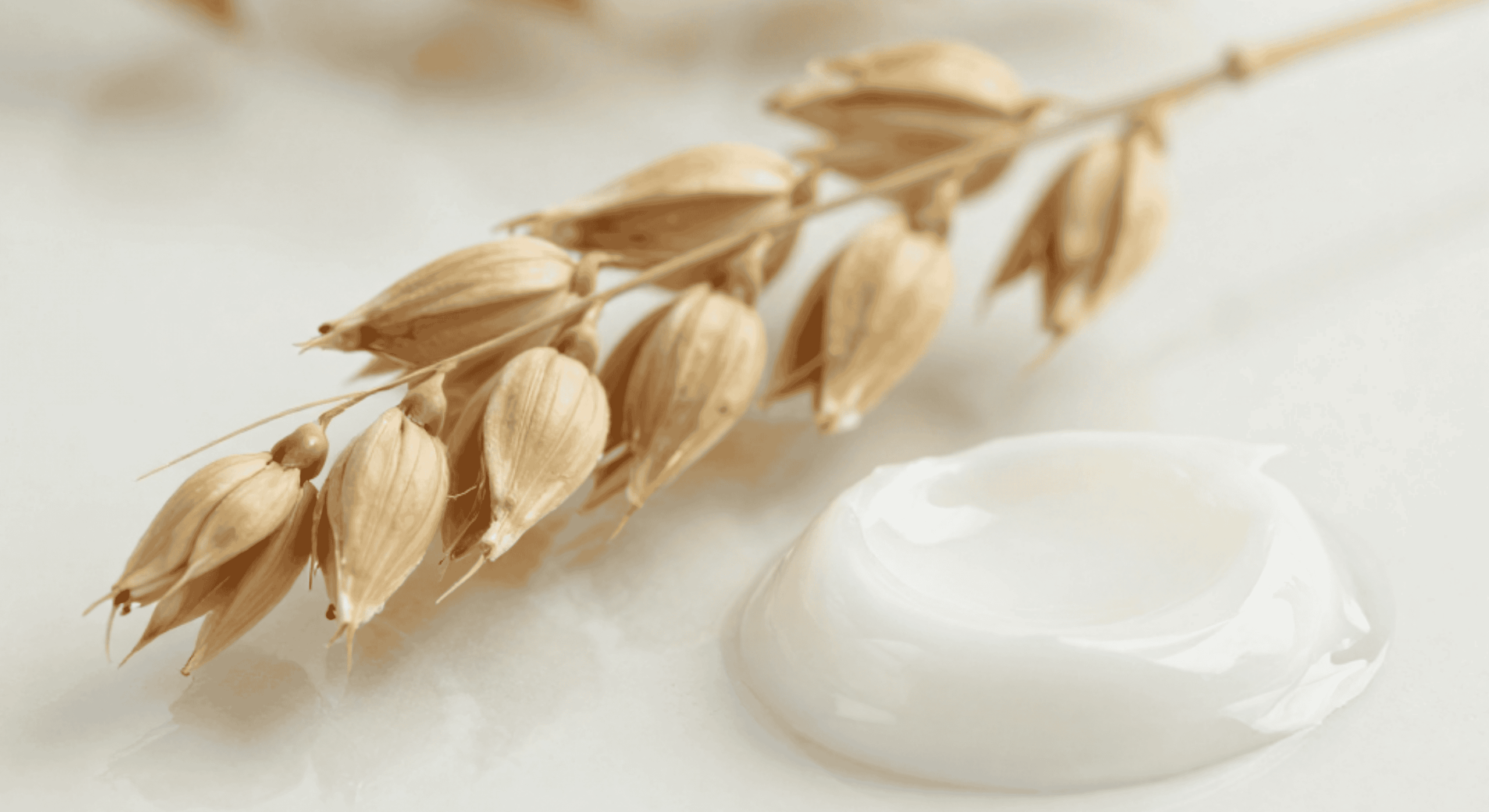
What Is Oat Beta-Glucan?
Oat beta-glucan is a bioactive polysaccharide extracted from Avena sativa (oats). It is known for its multi-functional biological activity, including hydration, immune modulation, and skin regeneration.
Unlike single-function ingredients, beta-glucan works across multiple skin pathways—making it highly relevant in modern “skin minimalism” formulations.
Mechanism: How It Repairs the Skin Barrier
Scientific studies show that oat beta-glucan plays an active role in epidermal repair at the cellular level:
- Stimulates keratinocyte differentiation and proliferation
- Enhances cell–cell junction integrity
- Promotes lipid synthesis within the skin barrier
- Activates Dectin-1 receptors, accelerating wound healing pathways
Additionally, it regulates calcium signaling and activates pathways (ERK, p38) linked to barrier recovery and skin homeostasis.
👉 In simple terms:It doesn’t just “coat” the skin like traditional moisturizers—it actively helps rebuild it.
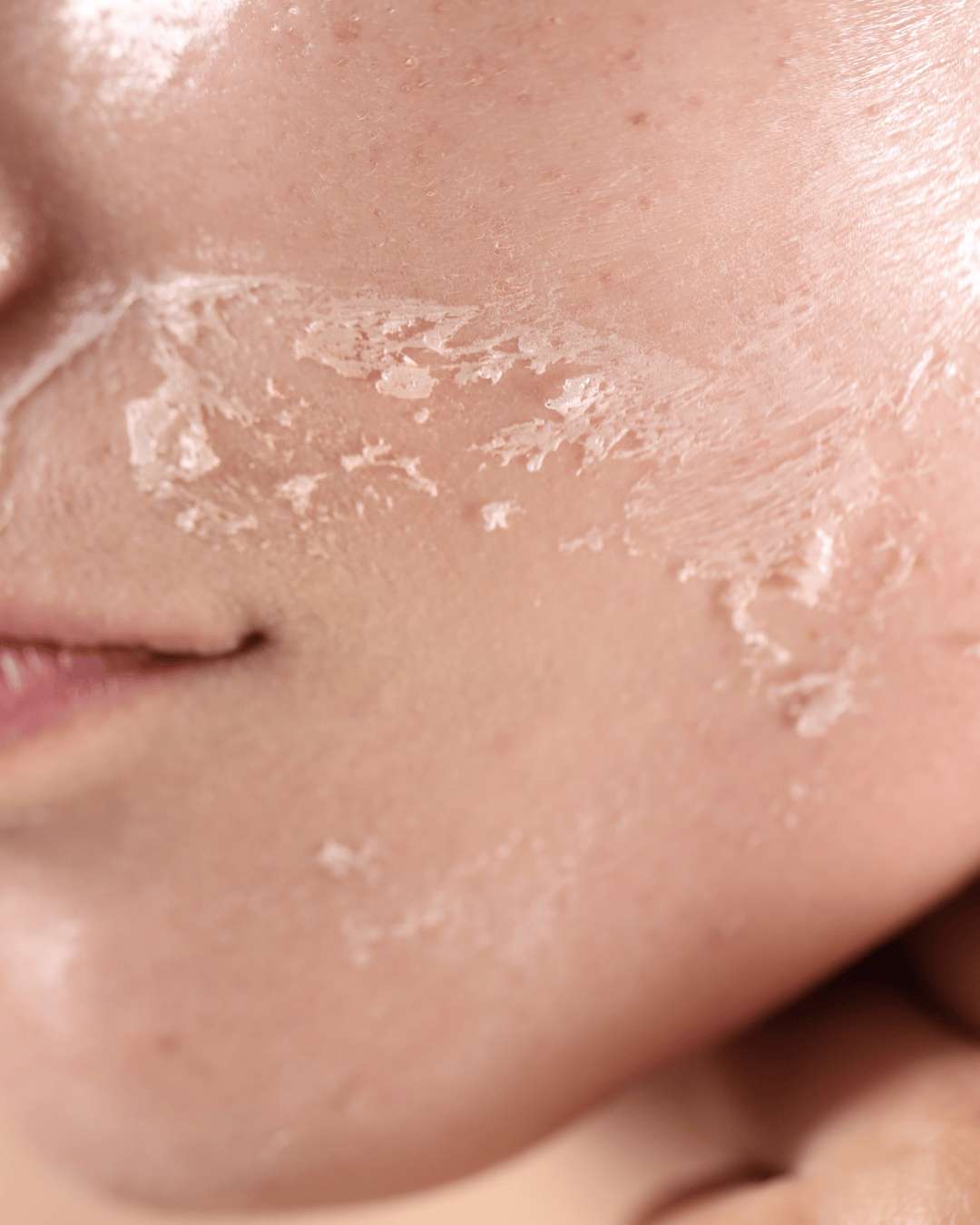
Barrier Strengthening Alternative to Ceramides
Ceramides are lipid-based ingredients that replenish the skin barrier externally. Beta-glucan, however, offers a complementary or alternative approach:
| Function | Ceramides | Oat Beta-Glucan |
| Mechanism | Lipid replenishment | Biological stimulation |
| Barrier repair | Passive | Active regeneration |
| Sensitivity risk | Moderate (depends on formula) | Very low |
| Additional benefits | Moisture retention | Anti-inflammatory + immune support |
Beta-glucan enhances endogenous lipid production, meaning it helps the skin produce its own barrier components, rather than relying solely on external supplementation.
This makes it especially appealing for brands looking to position products as:
- “Barrier-repairing from within”
- “Skin training, not skin coating”
Ideal for Sensitive & Eczema-Prone Skin
One of the strongest drivers behind beta-glucan’s popularity is its clinical relevance for inflammatory skin conditions.
Research highlights that beta-glucan:
- Reduces redness and irritation
- Modulates immune responses in the skin
- Helps alleviate eczema symptoms and flare-ups
Its anti-inflammatory and immunomodulatory properties make it suitable for:
- Reactive skin
- Post-procedure recovery
- Compromised skin barriers
- Atopic dermatitis (eczema)
Additionally, oat-based ingredients have long been recognized in dermatology for soothing itch and irritation, reinforcing consumer trust.
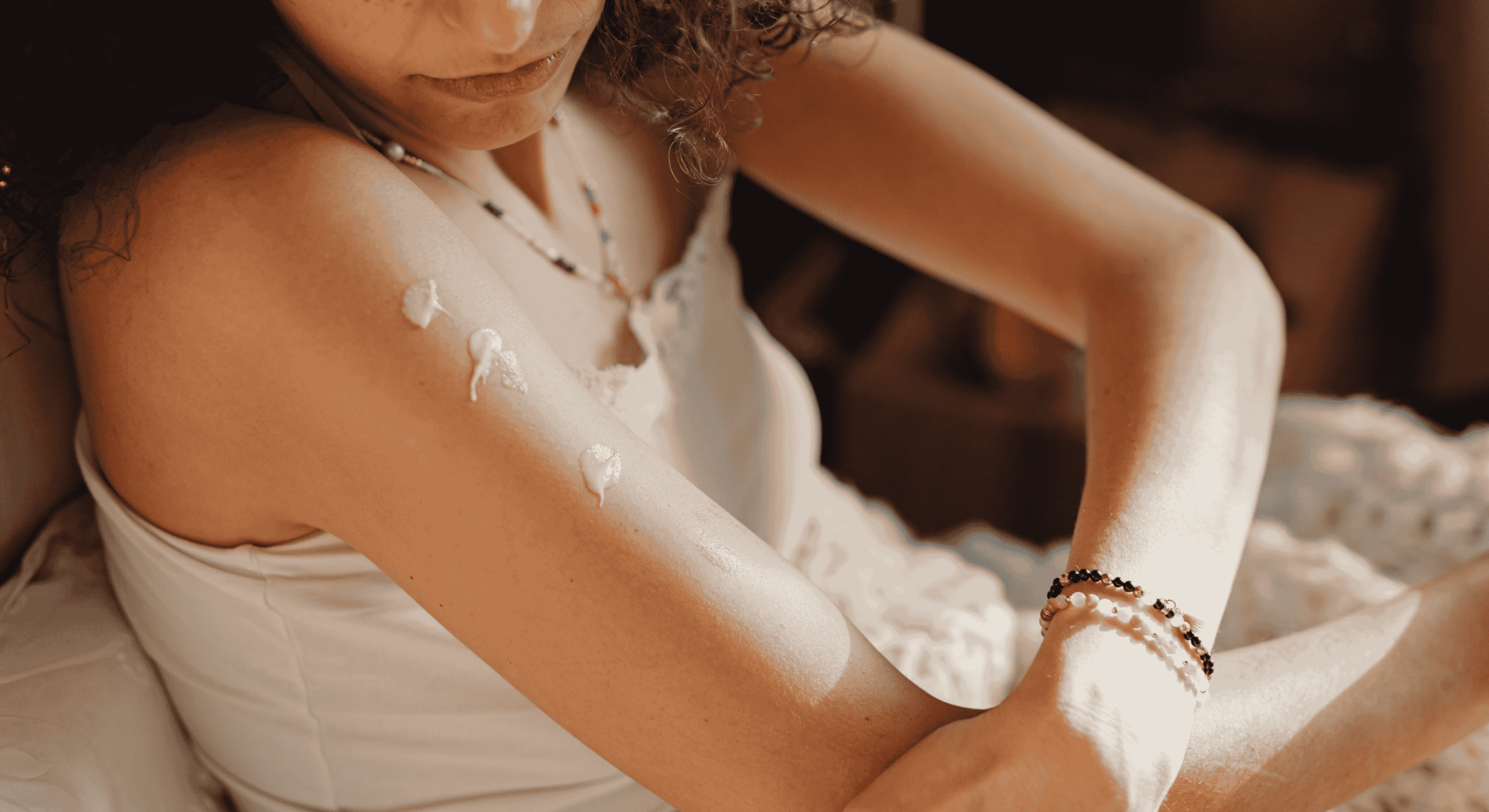
Deep Hydration Without Sensitization
Beta-glucan also functions as a high-performance humectant, with unique advantages:
- Forms a protective film that reduces transepidermal water loss (TEWL)
- Delivers long-lasting hydration into deeper skin layers
- Supports skin elasticity and smoothness
Unlike some humectants that can feel sticky or cause irritation in damaged skin, beta-glucan is:
- Lightweight
- Non-irritating
- Suitable for compromised barriers
The Rising Trend: Eczema & Sensitive Skin Market
Globally, there is a growing consumer segment focused on:
- Barrier repair
- Microbiome-friendly skincare
- Dermatologist-backed ingredients
Oat beta-glucan fits perfectly into this trend due to its:
- Clinical backing
- Natural origin
- Multi-functionality
It is increasingly featured in:
- “Cica-alternative” products
- Baby-safe formulations
- Derma skincare lines
This aligns with the broader industry movement toward “skin recovery over correction.”
Formulation Advantages for Brands (OEM Insight)
For skincare manufacturers and OEM brands, oat beta-glucan offers:
- Versatility: Compatible with serums, creams, gels, and masks
- Synergy: Works well with ceramides, panthenol, and centella
- Marketing appeal:
- “Oat-based soothing technology”
- “Clinically proven barrier repair”
- “Eczema-friendly formulation”
It also supports clean beauty positioning, as consumers increasingly favor recognizable, plant-derived ingredients.
Conclusion: The Future of Barrier Repair
Oat beta-glucan represents a shift from passive moisturizing to active skin regeneration.
As consumers become more educated about skin health—especially those dealing with sensitivity and eczema—ingredients that repair, soothe, and strengthen simultaneously will define the next generation of skincare.
In this landscape, beta-glucan is not just an alternative to ceramides—it is an evolution of barrier care.
References
- Jing, R. et al. (2024). Oat β-glucan repairs the epidermal barrier via Dectin-1 pathways. British Journal of Pharmacology.
- International Journal of Biological Macromolecules (2021). Oat β-glucan and epidermal barrier recovery mechanisms.
- Carbohydrate Research (2025). Oat β-glucan oligosaccharides and skin repair applications.
- Aloderma Ingredient Review (Clinical summaries). Beta-glucan for inflammation and eczema support.
- Yangge Biotech (2025). Hydration and barrier-support benefits of oat beta-glucan.