

Why Brand Owners Are Looking Beyond Hyaluronic Acid
Hydration remains one of the most important benefits consumers seek in skincare products. From lightweight toners to anti-aging emulsions, modern formulations are expected to deliver lasting moisture while maintaining a comfortable, elegant skin feel.
For years, Hyaluronic Acid (HA) has been the gold standard for hydration. However, cosmetic formulators are increasingly exploring Polyglutamic Acid (PGA) as a complementary ingredient that can help elevate product performance and create a more premium positioning.
As consumer demand for high-performance, luxury skincare continues to grow, PGA is emerging as a valuable ingredient for brands looking to differentiate their hydration-focused product lines.
What Is Polyglutamic Acid (PGA)?
Polyglutamic Acid, often abbreviated as PGA, is a naturally derived biopolymer produced through the fermentation of certain strains of Bacillus bacteria. It is also associated with natto, a traditional Japanese fermented soybean food.
In skincare, PGA functions primarily as a humectant and moisture-retention agent. It attracts water to the skin’s surface while forming a lightweight, breathable film that helps reduce moisture loss.
Unlike many active ingredients that target specific skin concerns, PGA supports overall skin hydration and contributes to a smoother, more supple appearance.
Understanding PGA’s Moisture-Retention Capability
One of the most frequently discussed characteristics of PGA is its remarkable ability to bind water. Laboratory studies have reported that PGA can hold significantly more water relative to its molecular weight than Hyaluronic Acid. Some sources suggest PGA can retain up to 5,000 times its weight in water, compared with approximately 1,000 times for Hyaluronic Acid. However, these figures are primarily derived from laboratory measurements and should not be interpreted as direct performance claims on human skin.
What is more important from a formulation perspective is how PGA behaves on the skin.
PGA forms a thin moisture-retaining layer on the skin surface that helps reduce transepidermal water loss (TEWL). This film-forming property can help maintain hydration levels and support a smoother skin feel throughout the day.
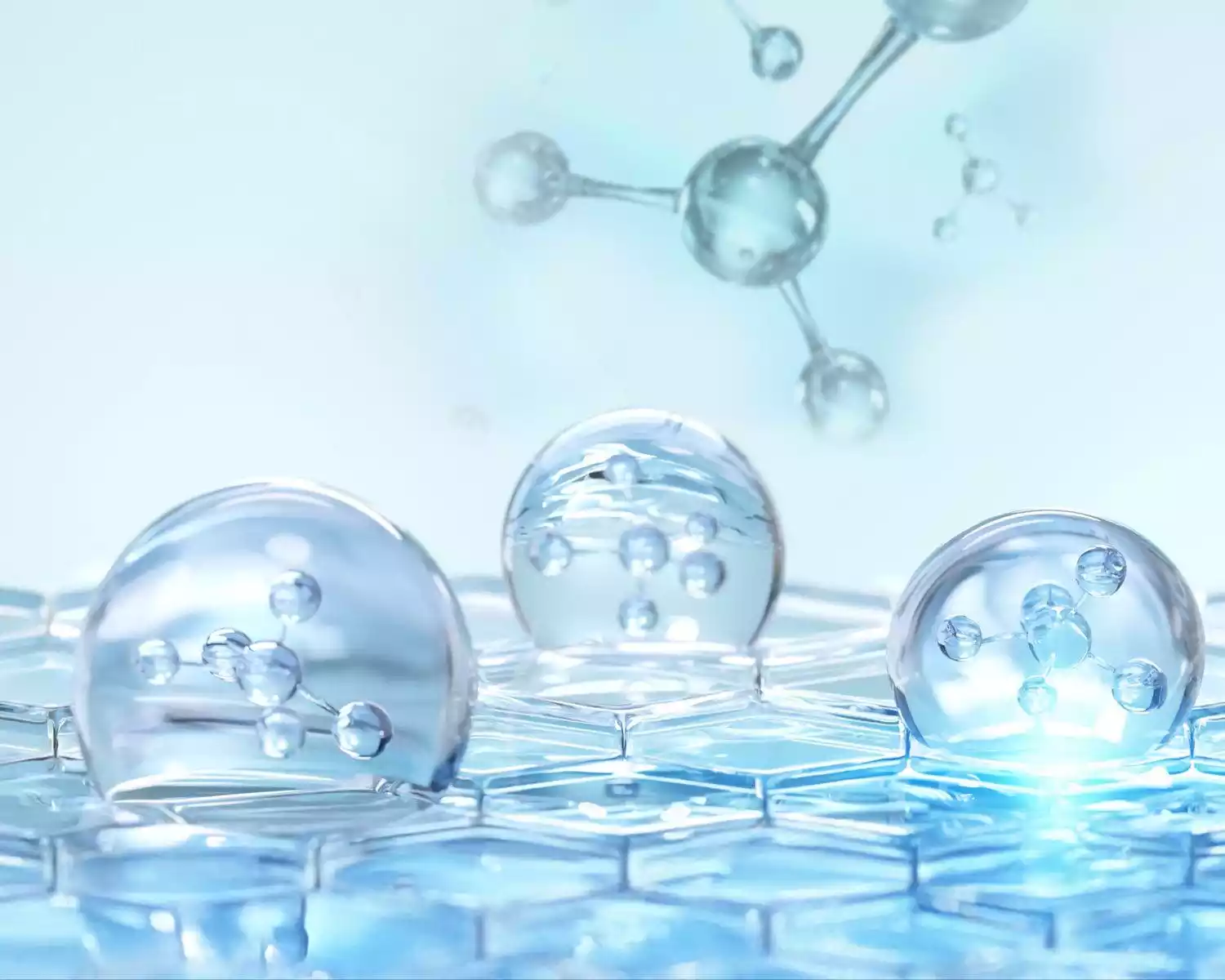
PGA vs. Hyaluronic Acid: Why Premium Formulas Use Both
Rather than replacing Hyaluronic Acid, PGA is often most effective when used alongside it.
Hyaluronic Acid attracts water and can help hydrate multiple layers of the skin, while PGA primarily helps retain moisture at the skin surface and reduce water evaporation. This complementary mechanism allows formulators to create multi-dimensional hydration systems.
For premium skincare brands, combining PGA with Hyaluronic Acid can help create products that offer:
- Immediate hydration
- Improved moisture retention
- Enhanced skin smoothness
- A more luxurious skin feel
- Long-lasting comfort without heaviness
This layered hydration approach is particularly attractive in prestige skincare categories where consumers increasingly expect sophisticated ingredient technology.
Why PGA Is Ideal for Luxury Brightening Toners
Modern brightening toners have evolved far beyond simple cleansing or refreshing products. Consumers now expect toners to function as the first hydration layer within their skincare routine.
Incorporating PGA into a brightening toner can help:
- Improve skin moisture levels after cleansing
- Enhance the sensory experience of the formula
- Support smoother-looking skin
- Complement ingredients such as Niacinamide, Tranexamic Acid, Alpha Arbutin, and botanical extracts
Because PGA creates a lightweight hydration film without a sticky or greasy feel, it is especially suitable for water-based formulations designed for daily use.
Elevating Anti-Aging Emulsions with PGA
Consumers purchasing anti-aging products often associate hydration with healthier, more youthful-looking skin.
Dryness can make fine lines and skin texture appear more noticeable. By helping maintain skin hydration, PGA can contribute to a smoother and more refreshed appearance. Research also suggests PGA may support natural moisturizing factors and help reduce moisture loss from the skin surface.
For anti-aging emulsions, PGA offers several formulation advantages:
- Lightweight yet effective hydration
- Compatibility with peptides and other anti-aging ingredients
- Improved sensory elegance
- Enhanced moisturization without excessive richness
These characteristics make PGA particularly valuable for brands targeting consumers who want hydration-focused anti-aging solutions suitable for daily use.
Formulation Synergies: Ingredients That Pair Well with PGA
To maximize product performance, PGA is commonly combined with other skin-conditioning and hydration-supporting ingredients, including:
Hyaluronic Acid
Provides additional humectant benefits and multi-level hydration support.
Niacinamide
Supports skin barrier function and helps improve overall skin appearance.
Ceramides
Help reinforce the skin’s moisture barrier.
Panthenol (Vitamin B5)
Offers soothing and moisturizing benefits.
Peptides
Frequently used in premium anti-aging formulations.
Ectoin
Provides environmental stress-protection benefits while complementing hydration systems.
Together, these ingredients can help create comprehensive hydration solutions that appeal to today’s ingredient-conscious consumers.
Why PGA Is Becoming a Premium Skincare Differentiator
The skincare market continues to become more competitive, making ingredient innovation increasingly important for brand differentiation.
Polyglutamic Acid offers several qualities that align with current consumer preferences:
- Advanced hydration technology
- Fermentation-derived origin
- Lightweight skin feel
- Compatibility with multiple skincare categories
- Strong premium positioning potential
For brand owners developing next-generation brightening toners, hydrating essences, serums, and anti-aging emulsions, PGA provides an opportunity to enhance both product performance and perceived value.
Conclusion
Polyglutamic Acid represents an exciting evolution in hydration-focused skincare formulation. While Hyaluronic Acid remains an important ingredient, PGA offers complementary benefits that can help elevate products into the premium and luxury skincare space.
Its ability to support moisture retention, improve skin feel, and work synergistically with established actives makes it a valuable addition to modern skincare formulations. For brands seeking innovative ways to enhance hydration performance in brightening toners and anti-aging emulsions, PGA is an ingredient worth considering as part of a comprehensive formulation strategy.
References
- Harper’s Bazaar. What Is Polyglutamic Acid? An Expert Guide to the Hydrating Hero of Skincare. https://www.harpersbazaar.com/beauty/skin-care/a71606751/polyglutamic-acid-benefits-skin/
- Healthline. How Polyglutamic Acid Is Used in Skin Care. https://www.healthline.com/health/polyglutamic-acid
- Vogue UK. This Ultra-Hydrating Skincare Ingredient Is Like Hyaluronic Acid… But Better. https://www.vogue.co.uk/beauty/article/what-is-polyglutamic-acid
- Cosmetics (MDPI). Polyglutamate: Unleashing the Versatility of a Biopolymer for Cosmetic Industry Applications. https://www.mdpi.com/2079-9284/11/3/76
- K-Ingredient. Polyglutamic Acid vs Hyaluronic Acid: Which Hydrator Wins (and Should You Layer Both?) https://www.kbeautyingredient.com/polyglutamic-acid-vs-hyaluronic-acid-comparison