

Skincare has moved far beyond simply “hydrating” the skin. Today’s consumers are increasingly focused on skin barrier health, moisture retention, and long-term resilience—which explains why lipid-rich formulations, particularly oil serums, have become one of the most sought-after categories in premium skincare.
At the center of this trend is a growing understanding of the skin barrier: a complex protective layer made up of corneocytes (“skin cells”) and intercellular lipids that help prevent excessive water loss while shielding the skin from environmental irritants. When this barrier becomes compromised—through over-exfoliation, pollution, UV exposure, low humidity, or harsh cleansers—skin may feel dry, reactive, dull, or visibly rough. Research increasingly supports that topical lipids, humectants, and soothing botanical compounds can help reinforce this barrier and improve hydration balance.
This is where lipid-rich oil serums stand out.
Why Oil Serums Are Driving the Barrier Repair Trend
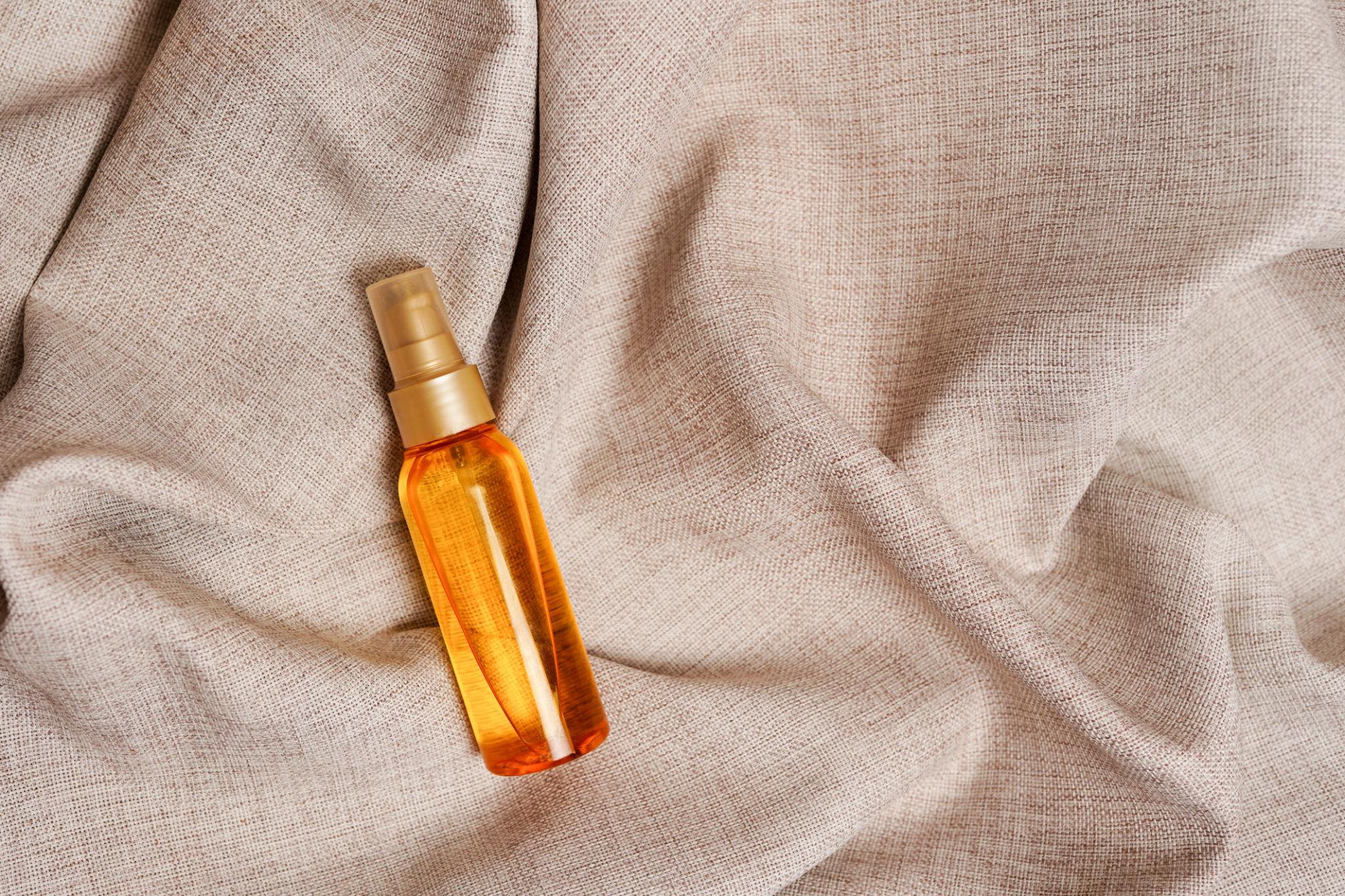
Unlike traditional moisturizers that often focus on water-based hydration, oil serums deliver emollient lipids, occlusive support, and bioactive plant compounds in a concentrated format. Their role is not simply to “add oil,” but to help reduce transepidermal water loss (TEWL), soften the stratum corneum, and improve skin comfort—especially in dry or barrier-stressed skin.
Luxury skincare brands are increasingly blending botanical waters, fungal extracts, and skin-compatible oils because consumers want formulas that feel both sensorially indulgent and biologically functional.
A well-designed oil serum bridges both.
The Science Behind Synergistic Lipid-Rich Formulations
The strength of a premium oil serum often lies in how humectants, soothing extracts, and lipids work together, rather than relying on a single hero ingredient.
- Rose Hydrosol: More Than a Fragrant Botanical Water
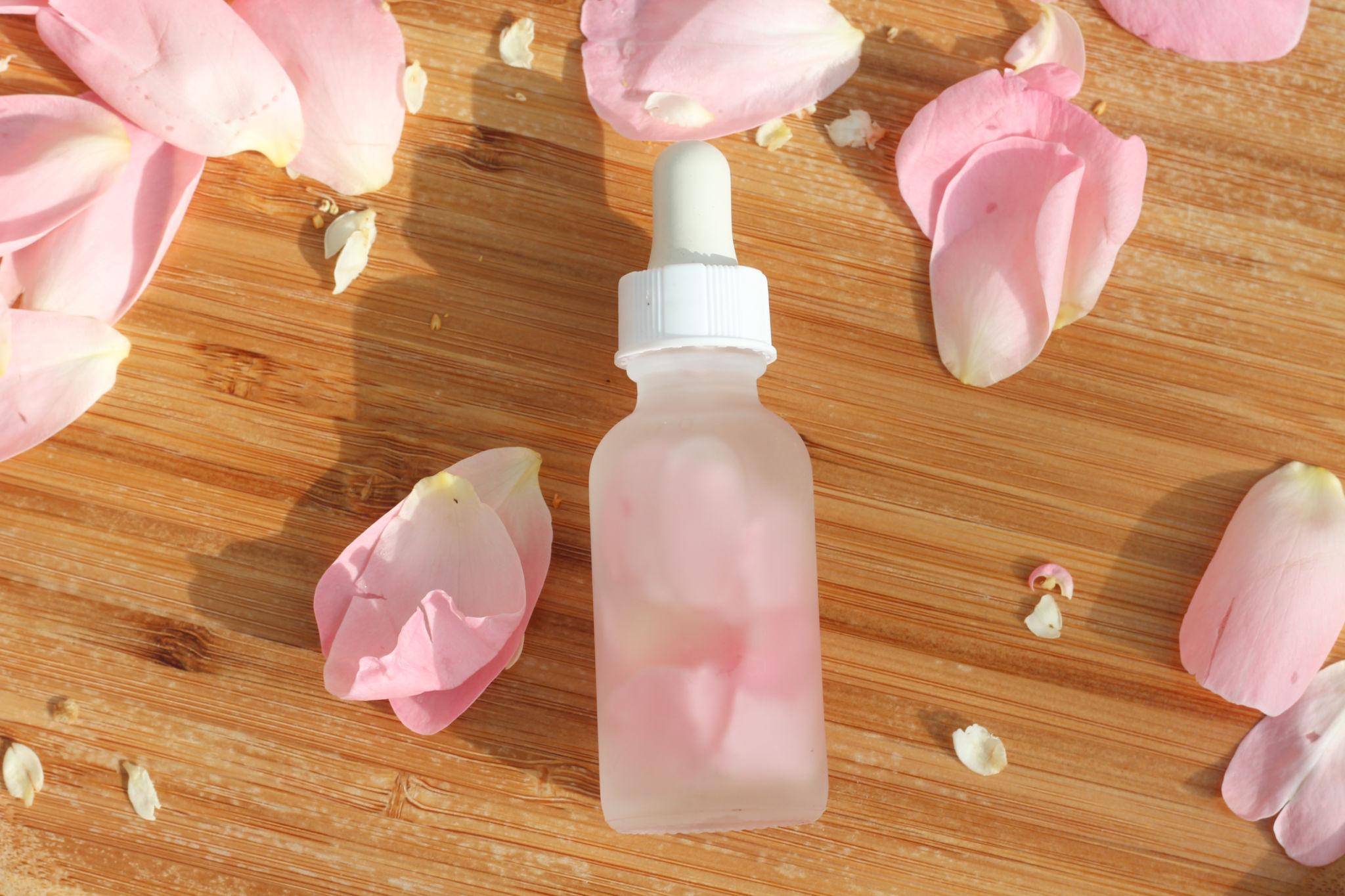
Rose hydrosol is often appreciated for its elegant sensory profile, but beyond aroma, botanical hydrosols can contribute mild soothing and antioxidant support depending on extraction quality and composition.
In formulation, rose hydrosol helps:
- Provide lightweight hydration
- Support a fresh, luxurious application feel
- Complement oil phases with a balanced, elegant texture profile
While hydrosols are not a replacement for structured moisturizers or barrier lipids, they can elevate both skin feel and formulation sophistication.
- Tremella fuciformis Extract: The Moisture-Binding Humectant
Known as “snow mushroom,” Tremella fuciformis extract is increasingly used in barrier-focused skincare because of its polysaccharide-rich structure, which supports water retention on the skin surface.
Its benefits include:
- Surface hydration support
- Improved skin softness and plump appearance
- Complementing lipid ingredients by attracting water while oils help reduce evaporation
This humectant-lipid pairing is especially effective because hydration is strongest when water-binding and moisture-sealing mechanisms work together.
Lipids That Support Skin Comfort and Barrier Function
Olive Squalane: Lightweight Barrier Support
Squalane is one of the most valuable ingredients in lipid-rich skincare because it is highly stable, lightweight, and structurally compatible with the skin’s natural lipid environment.
Olive-derived squalane may help:
- Reduce moisture loss
- Improve softness and suppleness
- Enhance spreadability without heaviness
- Support dry, sensitive, or compromised-feeling skin
Because it is non-greasy and generally well tolerated, squalane has become a cornerstone ingredient in premium facial oils and barrier-support products.
Golden Jojoba Oil: A Biomimetic Skin Conditioner
Although commonly called an oil, jojoba is technically a liquid wax ester. Its composition resembles components naturally present in human sebum, making it especially valued for skin conditioning.
Golden jojoba oil may contribute to:
- Improved skin smoothness
- Surface emolliency
- Reinforcement of softness and flexibility
- Reduced tightness associated with dryness
Some studies also note jojoba’s supportive role in hydration and skin barrier comfort.
Why These Ingredients Work Better Together
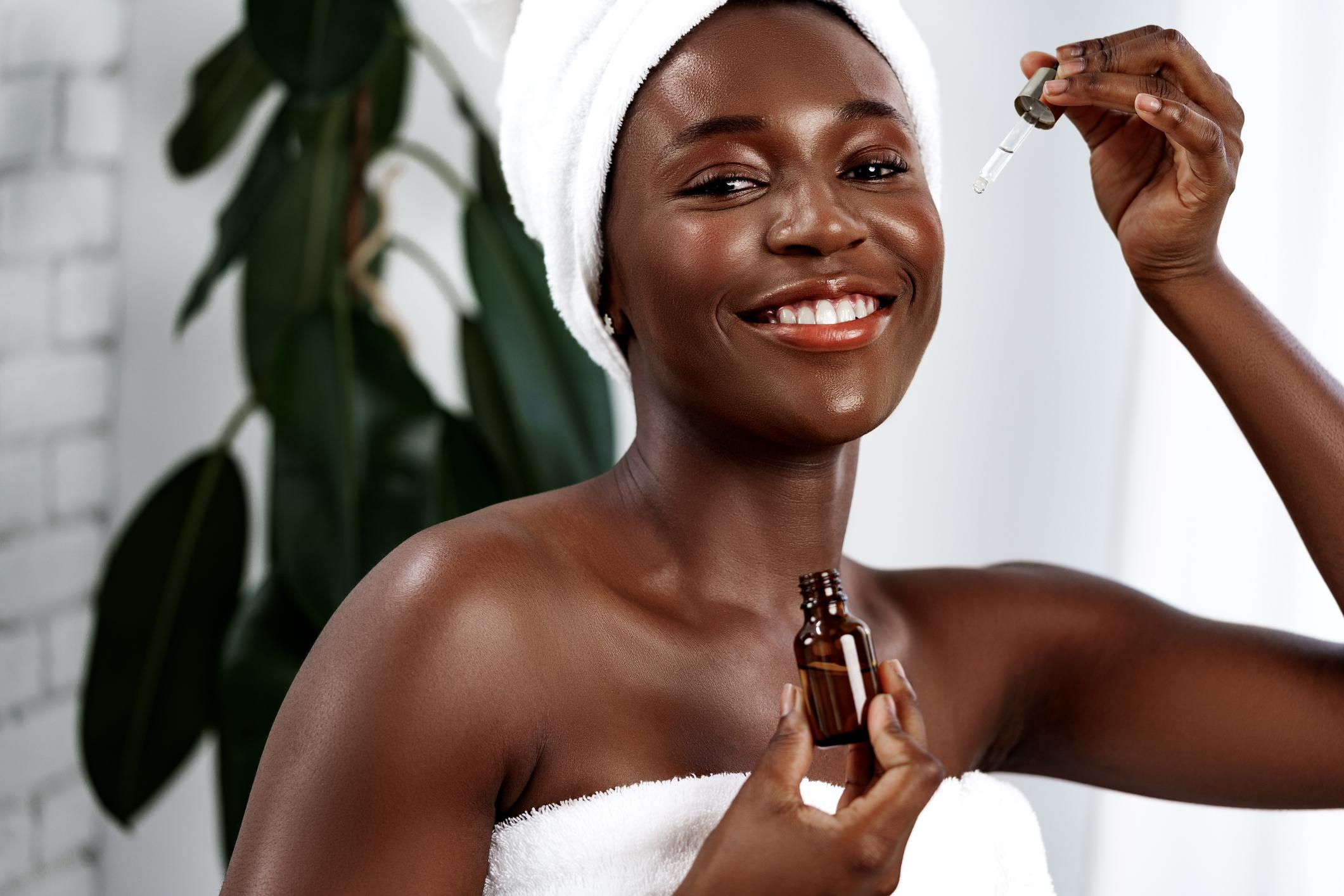
A sophisticated Rose Oil Serum formulation demonstrates why lipid-rich skincare is growing rapidly in luxury beauty.
When blended strategically:
- Rose hydrosol offers a refreshing botanical base and sensory elegance
- Tremella fuciformis extract attracts and retains surface moisture
- Olive squalane supports lightweight barrier reinforcement
- Golden jojoba oil improves softness and emolliency
Together, this creates a multi-mechanistic hydration system—humectant support + emollient conditioning + occlusive assistance + botanical soothing.
This synergy matters because skin barrier support rarely depends on a single ingredient. Healthy skin function is often improved by formulations that address both water retention and lipid replenishment.
Why Luxury Consumers Are Seeking Oil Serums
The rise of lipid-rich skincare is also tied to changing consumer behavior.
Today’s skincare buyers are looking for:
- Fewer but more multifunctional products
- Formulas that prioritize skin resilience over aggressive exfoliation
- Rich, sensorial textures associated with self-care rituals
- Ingredients that feel natural yet are supported by dermatologic research
- Barrier-supportive routines for overtreated or environmentally stressed skin
This aligns strongly with the premium skincare market, where efficacy and experience are equally important.
Why Your Brand Needs an Oil Serum
An oil serum is no longer just a niche product for dry skin.
When properly formulated, it can serve as:
- A barrier-support companion in minimalist skincare routines
- A finishing layer for moisture retention
- A recovery product after exfoliation-heavy routines
- A luxury treatment for dehydrated or tight-feeling skin
- A sensorial hero product that strengthens brand positioning
For skincare brands, lipid-rich formulations represent both a scientific opportunity and a consumer demand shift.
The future of skincare is not only about stronger actives—it is increasingly about smarter barrier support.
And a thoughtfully developed oil serum built around hydrating botanicals, fungal polysaccharides, and biomimetic lipids may be one of the most relevant products a modern skincare line can offer.
References
- Lin TK, Zhong L, Santiago JL. Anti-Inflammatory and Skin Barrier Repair Effects of Topical Application of Some Plant Oils. International Journal of Molecular Sciences. 2018.
- Lei D, Liu D, Zhang J, et al. Benefits of topical natural ingredients in epidermal permeability barrier. Frontiers in Physiology. 2024.
- Schwartz J, Friedman AJ. Exogenous Factors in Skin Barrier Repair. Journal of Drugs in Dermatology. 2016.
- Vaughn AR, Clark AK, Sivamani RK, Shi VY. Natural Oils for Skin-Barrier Repair: Ancient Compounds Now Backed by Modern Science. American Journal of Clinical Dermatology. 2018.
- Vaughn A, Nguyen M, Maarouf M, et al. Multi-Center Randomized Clinical Study of The Effects of Natural Oils on Xerosis and Skin Barrier Properties. SKIN Journal of Cutaneous Medicine. 2018.