The skincare industry is rapidly shifting from aggressive actives toward biology-driven formulations that support the skin’s natural ecosystem. At the center of this evolution is the skin microbiome—a complex community of microorganisms essential for maintaining healthy, resilient skin.
Among the most promising innovations in this space is the use of Bifidobacterium-derived postbiotics, now widely explored in advanced skincare formulations.
What is Bifidobacterium in Skincare?
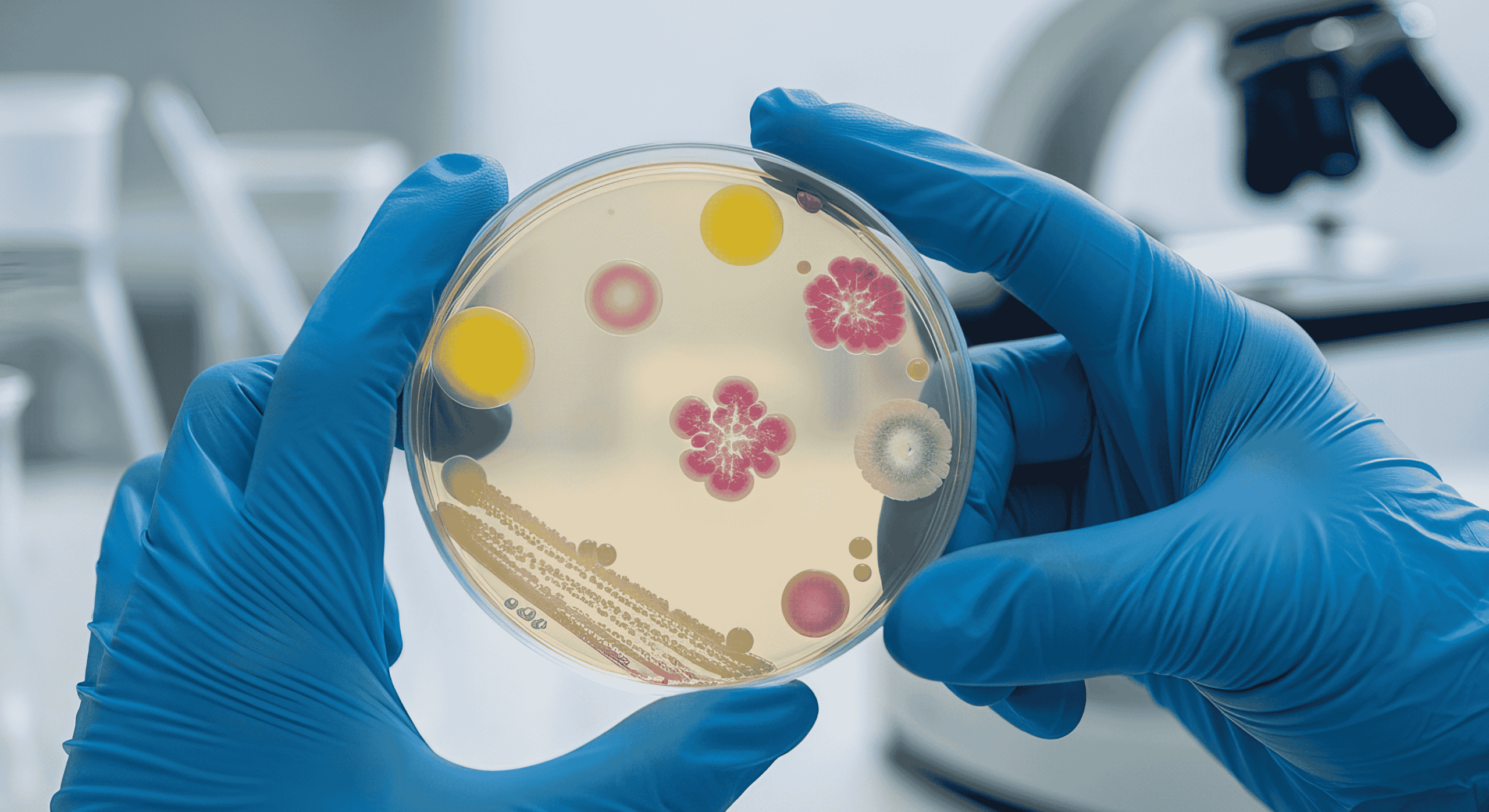
Bifidobacterium is a probiotic bacterium commonly associated with gut health, but it also delivers benefits when applied topically in skincare—typically in the form of Bifida Ferment Lysate (a postbiotic).
Key Benefits (Evidence-Based):
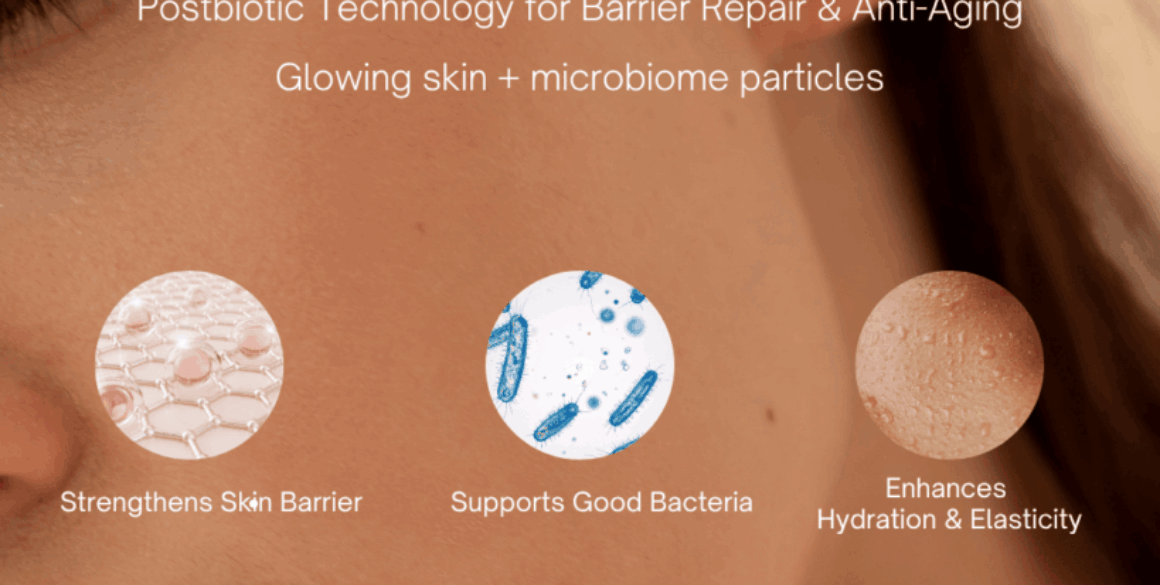
- Barrier Repair: Supports skin structure and reduces transepidermal water loss
- Anti-Aging Support: Helps improve elasticity and reduce visible signs of aging
- UV Recovery Support: Aids in mitigating UV-induced skin stress
- Hydration Enhancement: Improves moisture retention and skin smoothness
Studies show that microbiome-derived ingredients can enhance hydration, elasticity, and reduce wrinkle depth, reinforcing their anti-aging potential.
Postbiotics: The Next Generation of Skincare
While probiotics and prebiotics paved the way, postbiotics are emerging as the most practical and effective microbiome-focused ingredients.
What are Postbiotics?
Postbiotics are non-living microbial cells or their metabolites, offering biological benefits without the instability of live bacteria.
Why Postbiotics Matter in Formulation:
- Greater formulation stability
- Lower risk of contamination
- Compatible with active ingredients
- Suitable for sensitive skin
Research also shows postbiotics provide UV protection, wound healing, and anti-inflammatory effects, making them highly versatile for skincare innovation.

Why Bifidobacterium Fits Anti-Aging Creams
Skin aging is closely linked to inflammation and barrier decline, both of which are influenced by microbiome health.
Microbiome-based ingredients, including Bifidobacterium-derived postbiotics:
- Strengthen the skin barrier
- Reduce inflammatory responses
- Support collagen and hydration pathways
Emerging studies indicate that microbiome-targeted skincare can improve overall skin quality and slow visible aging processes.
Why It Works in Sunblock Formulations
UV exposure not only damages skin cells but also disrupts the skin microbiome balance.
Postbiotic ingredients can:
- Support recovery from UV-induced damage
- Reduce inflammation
- Reinforce barrier defenses post-exposure
Scientific findings confirm microbiome-related approaches can protect against UV damage and enhance skin recovery mechanisms.
Formulation & Market Opportunities for OEM Brands
With consumers becoming more ingredient-aware, microbiome skincare offers strong differentiation.

Product Opportunities:
- Microbiome Repair Anti-Aging Cream
- Postbiotic Barrier Serum
- Microbiome-Protect SPF
- Sensitive Skin Recovery Cream
Marketing Angles:
- “Supports Your Skin’s Good Bacteria”
- “Barrier-First Skincare”
- “Microbiome Science-Backed”
- “Postbiotic Technology”
Final Thoughts
Microbiome skincare is no longer just a trend—it is a scientifically supported shift in how we approach skin health. Ingredients like Bifidobacterium and postbiotics offer a compelling balance of efficacy, safety, and innovation.
As research continues to validate their benefits—from barrier repair to anti-aging and UV protection—brands that adopt microbiome-focused formulations are well-positioned to lead the next generation of skincare.
References
- Prajapati, S. K. et al. (2025). Microbiome and Postbiotics in Skin Health. Biomedicines.
- De Almeida, C. V. et al. (2023). Probiotics and Postbiotics in Dermatology. Microorganisms.
- Woolery-Lloyd, H. et al. (2023). Microbiome in Skin Aging. Journal of Cosmetic Dermatology.
- Heo, Y. M. et al. (2024). Postbiotics and Skin Barrier Function. Genes & Genomics.
- MDPI Study (2022). Postbiotics and Skin Hydration/Elasticity.
- Annals of Dermatology (2025). Microbiome Protection & UV Defense.