Hydration is foundational to healthy skin physiology. The skin’s natural moisturizing factor (NMF) comprises a suite of water-attracting and water-retaining molecules — amino acids, lactic acid, urea, and electrolytes — that maintain hydration and barrier flexibility in the stratum corneum. Modern cosmetic science increasingly turns to plant-derived polysaccharides as biomimetic hydrators that parallel key functions of NMF, especially through hygroscopic behavior and water-binding kinetics. In this article, we examine three such polysaccharides — Tremella fuciformis polysaccharide (TPS), Biosaccharide Gum-1, and tamarind seed gum — from a mechanistic and formulation perspective.
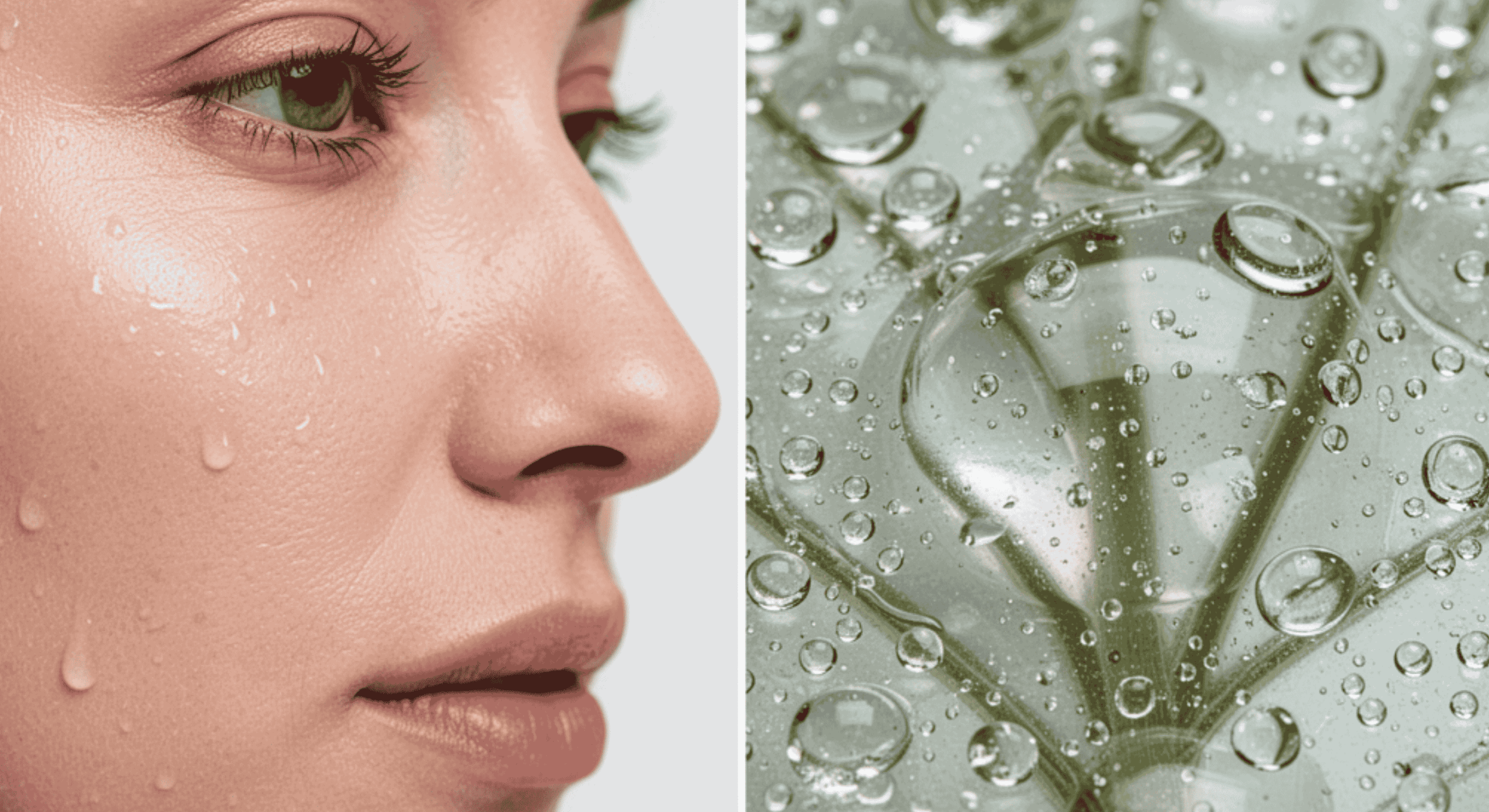
Polysaccharides as Hydration Actives: The Basic Science
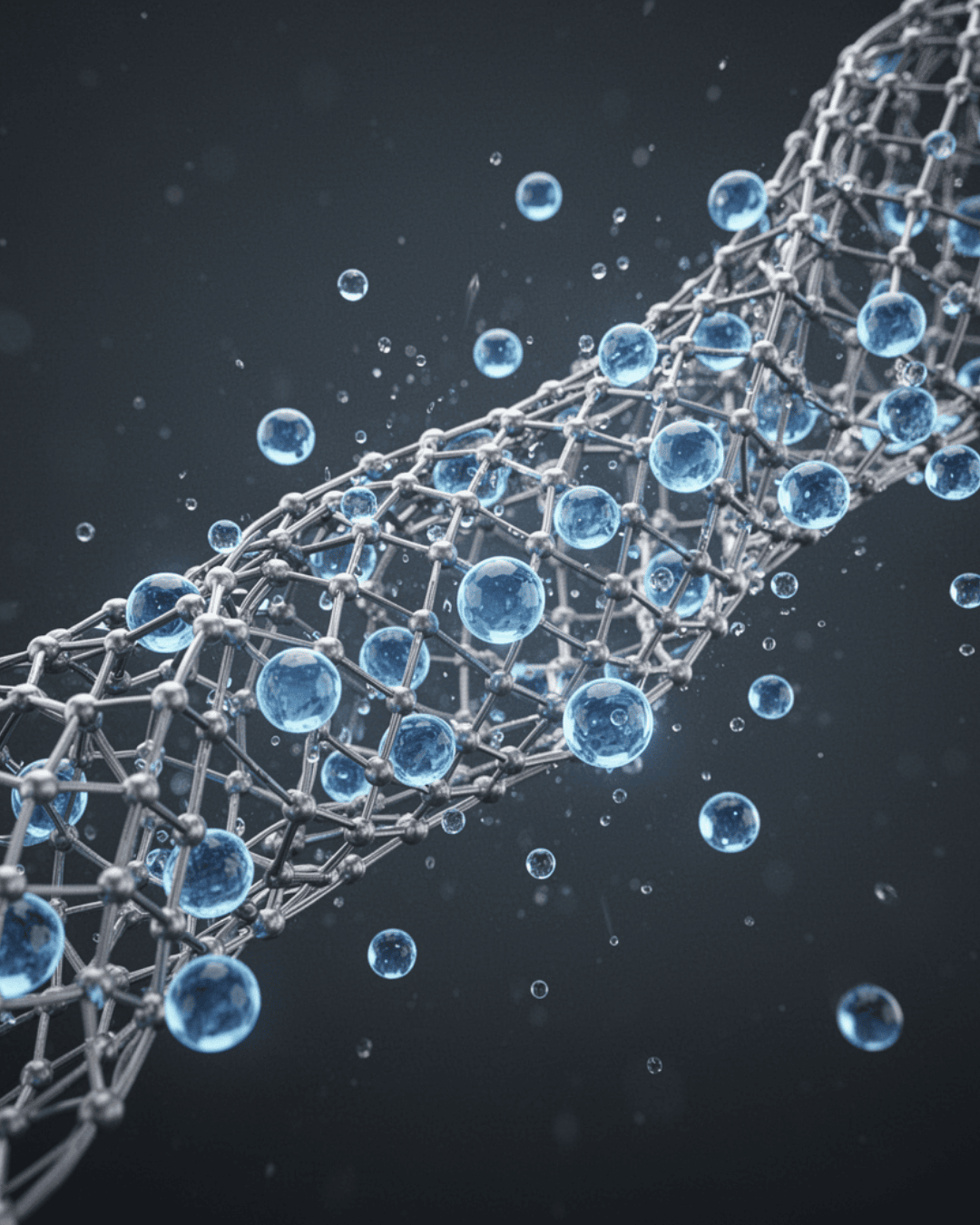
Polysaccharides are long carbohydrate chains built from repeat monosaccharides. Their multiple hydroxyl and, in some cases, carboxyl functional groups provide numerous sites for hydrogen bonding with water molecules. This chemical architecture underlies two hydration-relevant properties:
- Hygroscopicity — the ability to attract and bind water from the environment or adjacent aqueous phases.
- Network formation — through physical entanglements or gelation, polysaccharides can immobilize water, slowing its evaporation and increasing residence time in superficial skin layers, akin to NMF behavior.
These mechanisms differ from traditional occlusives: rather than sealing water beneath a barrier layer, polysaccharides bind water within a hydrophilic matrix, enabling dynamic water retention without heavy occlusion.
Tremella fuciformis Polysaccharide (TPS)
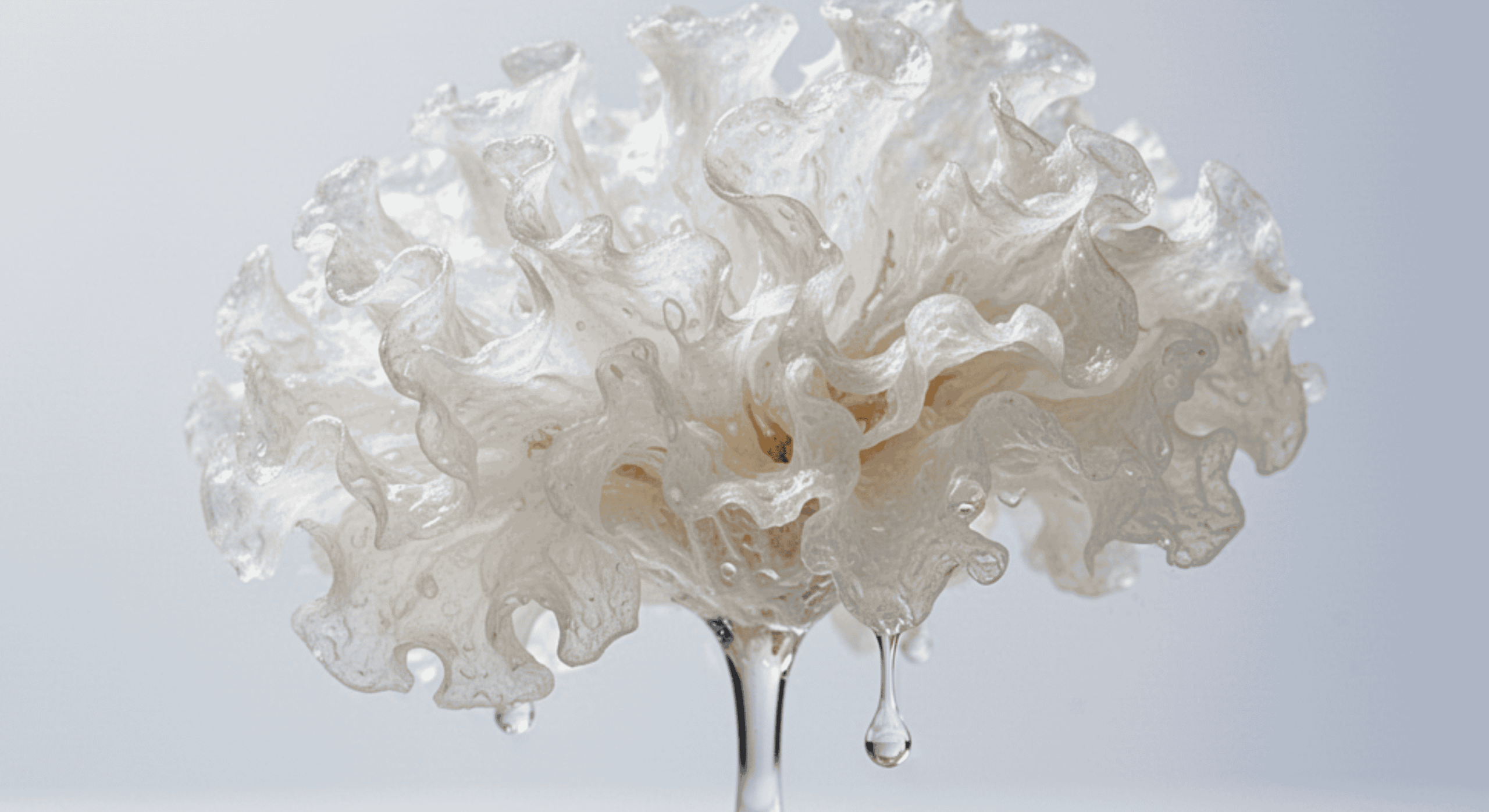
Origin & Structure: Polysaccharides extracted from the fruiting body of the white jelly mushroom (Tremella fuciformis) are high-molecular-weight heteropolysaccharides composed primarily of mannose, glucose and other monosaccharides arranged in branched structures.
Hydration Mechanisms:
- Hygroscopic binding: The high density of hydroxyl and uronic acid groups facilitates strong hydrogen bonding with water molecules, yielding significant moisture absorption and retention capacity. Experimental studies show these polysaccharides can absorb moisture efficiently, particularly at higher relative humidity, and sustain water retention via hydrogen bond networks and flexible chain entanglements.
- Network formation: Rheological work indicates TPS can enhance water holding capacity in hydrocolloid systems, contributing to sustained hydration within polymer matrices.
Functional Implications: In formulations, TPS serves as a natural humectant that not only attracts and retains water, but also forms a soft, cohesive film on the skin’s surface, offering continuous hydration and improving skin feel without silicone-like occlusion.
Biosaccharide Gum-1
Origin & Character: Biosaccharide Gum-1 (commercially known as Fucogel® or Fucocert®) is a fermentation-derived polysaccharide, composed of simple sugars such as fucose, galactose, and galacturonic acid. It is classified as a high-molecular-weight humectant and film former.
Water-Binding & Film Formation:
- Hygroscopic behavior: Its multiple hydrophilic sites bind water effectively and contribute to prolonged moisture retention at the skin interface.
- Continuous aqueous film: Upon application, Biosaccharide Gum-1 forms a continuous, breathable water-rich film, reducing transepidermal water loss (TEWL) — a key metric for hydration efficacy. Film formation also supports sustained hydration by maintaining a hydrated microenvironment on the skin surface.
Additional Functional Attributes: Beyond hydration, preliminary studies suggest Biosaccharide Gum-1 may support barrier integrity and cell renewal pathways, potentially influencing longer-term skin physiology, though core hydration remains its primary scientifically supported function.
Tamarind Seed Gum
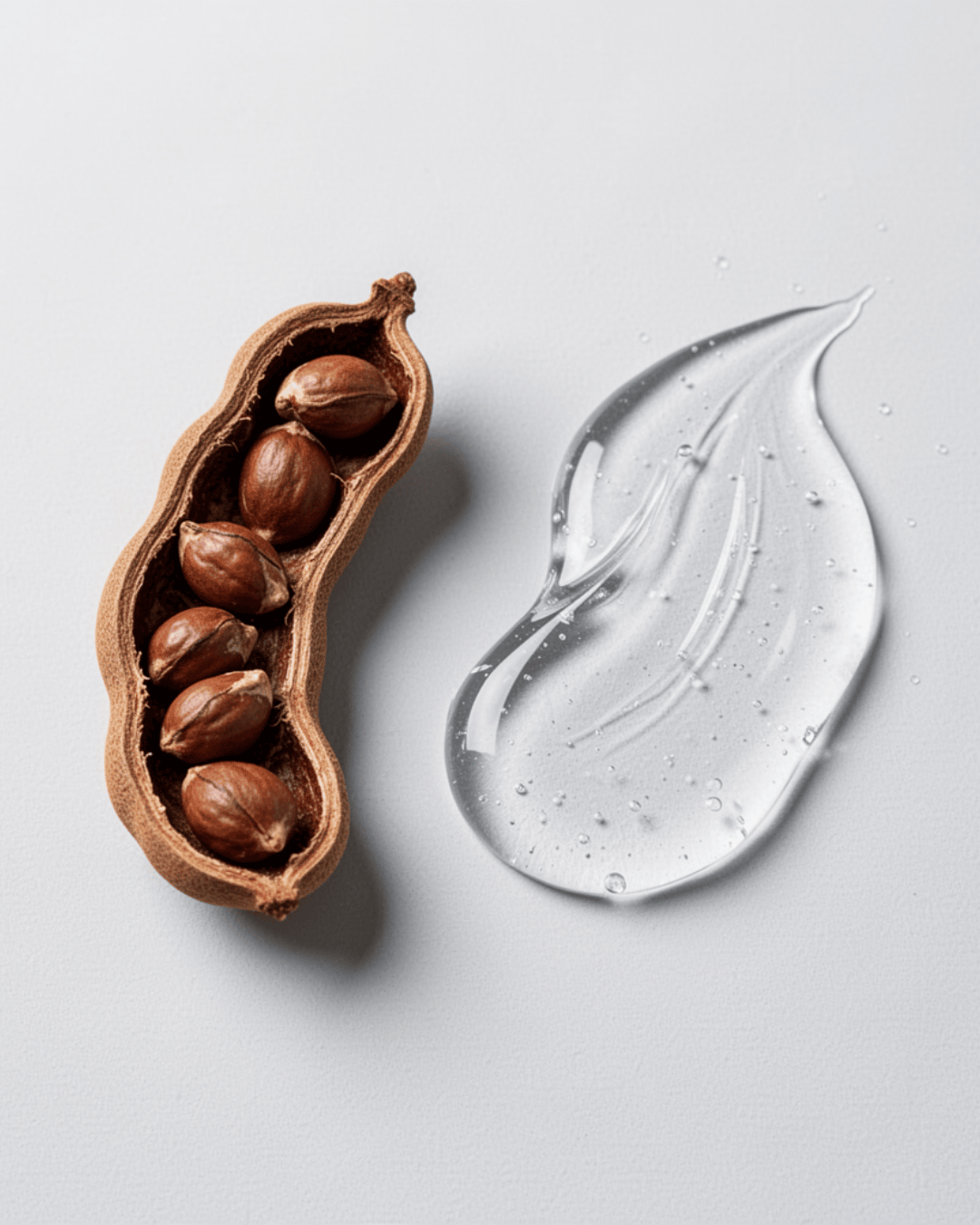
Origin & Structure: Tamarind seed polysaccharide (TSP) is a high-molecular-weight galactoxyloglucan extracted from the endosperm of Tamarindus indica seeds. Its backbone and side-chain architecture contribute to strong aqueous interactions.
Hydration & Water Kinetics:
- Water retention: The polymer’s structure enables the formation of viscous aqueous dispersions capable of significant water uptake; this is largely due to extensive hydroxyl functional groups and a flexible backbone that accommodates water within its network.
- Mucoadhesion & interaction networks: Research shows that Tamarind seed polysaccharide can interact synergistically with other hydrophilic polymers — such as hyaluronic acid — stabilizing hydration networks and enhancing overall water retention in topical systems.
Cosmetic Relevance: TSP’s high viscosity and mucoadhesive traits make it a useful hydrating backbone polymer in creams and gels, offering stable moisture retention while enhancing product texture and sensoric properties.
Comparative Water-Binding Kinetics
From a scientific standpoint, the kinetics of water binding in polysaccharide systems depends on molecular weight, branching degree, and functional group density:
- High-molecular and highly branched polymers (e.g., TPS, Biosaccharide Gum-1) offer extensive hydrogen bonding sites and complex network structures that promote slow, sustained water uptake and retention.
- Backbone-rich gums like TSP provide viscous matrices that immobilize water through entangled gels, resisting syneresis and improving water holding capacity in aqueous formulations.
These kinetic profiles are analogous to components of NMF, where multiple hydrophilic functional groups and structural networks deliver both immediate water attraction and retention over time.
Formulation Considerations for OEM Manufacturers
When integrating multi-polysaccharide hydration systems into products:
- Synergy: Combining polysaccharides with complementary properties (e.g., TPS for hygroscopic binding, Biosaccharide Gum-1 for film formation, and TSP for structural gel support) can yield broader and more durable hydration profiles.
- Molecular architecture: Selection should consider molecular weight and branching to match desired hydration kinetics — deeper layer moisture retention versus surface water holding.
- Compatibility & stability: Natural polysaccharides generally exhibit broad pH tolerance and compatibility with typical cosmetic excipients, though rheological impacts should be evaluated per formulation.
- Testing: Quantitative assessments such as TEWL measurements, corneometry, and rheological profiling provide empirical hydration performance data to support claims.
Multi-polysaccharide hydration systems represent a scientifically credible approach to mimic the skin’s natural moisturizing mechanisms. Through hygroscopic behavior, network formation, and water-binding kinetics, agents such as Tremella fuciformis polysaccharides, Biosaccharide Gum-1, and tamarind seed gum deliver sustained hydration without heavy occlusives, offering formulators versatile tools for high-performance, scientifically grounded products.
References
- Qi X, et al. Production, structure, and bioactivity of polysaccharide isolated from Tremella fuciformis. Food Sci Hum Wellness. 2022;11(4):1010–1017.
- Liu T, Yang J, et al. Rheological and gelling properties of Tremella fuciformis polysaccharide and gellan gum mixtures. Food Sci. 2019.
- Incidecoder and other cosmetic ingredient dictionaries on Biosaccharide Gum-1 properties.
- Raj V, Lee S, et al. State-of-the-art progress on tamarind seed polysaccharide. Carbohydr Polym. 2024.
- Uccello-Barretta G, et al. Mucoadhesive properties of tamarind seed polysaccharide and its interaction with hyaluronic acid.