

Modern skincare has evolved far beyond simply moisturizing the skin. Today’s advanced formulations are increasingly designed to communicate with the skin at a cellular level, encouraging natural repair processes instead of merely masking signs of aging.
One ingredient gaining attention in cosmetic science is Avena sativa peptide, a specialized peptide fraction derived from oats. Unlike conventional oat extracts that primarily soothe the skin’s surface, isolated oat peptides are engineered to possess significantly lower molecular weights, enabling them to interact more effectively with deeper layers of the epidermis and support the skin’s extracellular matrix.
This distinction makes Avena sativa peptide an increasingly valuable ingredient in premium hydrating and brightening serums.
Beyond Traditional Oat Extracts
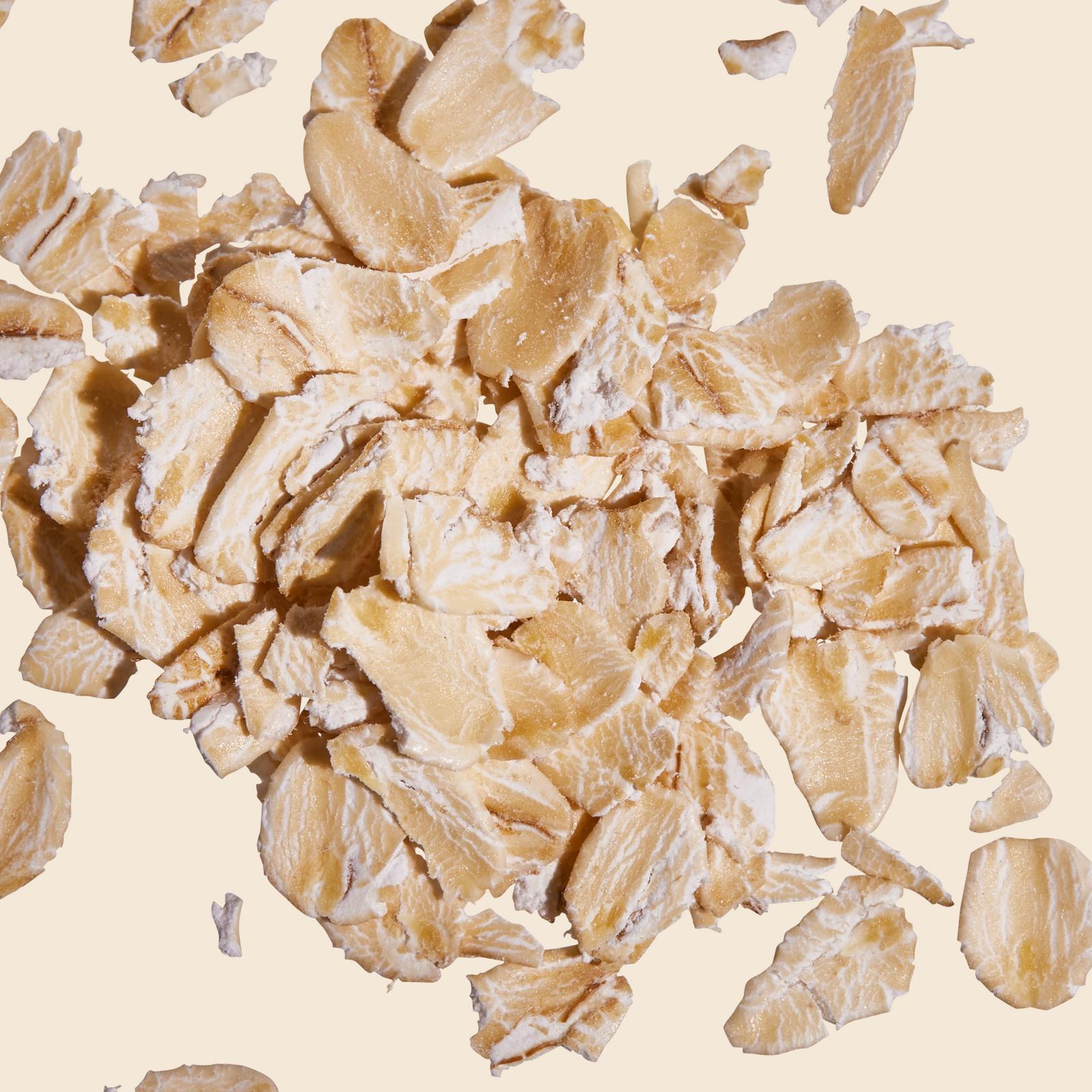
Oats (Avena sativa) have been used in dermatology for centuries because of their remarkable soothing properties. Traditional oat extracts contain numerous bioactive compounds, including:
- Beta-glucans
- Avenanthramides
- Lipids
- Flavonoids
- Phenolic antioxidants
These compounds are highly effective at:
- Calming irritation
- Reducing redness
- Strengthening the skin barrier
- Improving moisture retention
However, most conventional oat extracts consist of relatively large molecules that remain primarily within the outermost layer of the skin—the stratum corneum. Their primary role is protecting and restoring the skin barrier rather than influencing deeper structural processes.
This is where oat peptides differ significantly.
What Are Avena Sativa Peptides?
Avena sativa peptides are produced by enzymatically hydrolyzing oat proteins into much smaller peptide fragments.
This process breaks large storage proteins into:
- Short-chain peptides
- Bioactive amino acid sequences
- Low molecular weight protein fragments
Because these peptides are considerably smaller than intact oat proteins, they exhibit improved skin compatibility and greater potential for penetration into the upper viable layers of the epidermis.
In cosmetic formulation, peptide size is an important factor because molecular weight strongly influences how effectively ingredients can move through the skin’s protective barrier.
Why Molecular Weight Matters
The skin’s outer barrier—the stratum corneum—is highly selective. It is designed to prevent external substances from entering the body while simultaneously reducing water loss.
Large proteins generally remain on the skin surface.
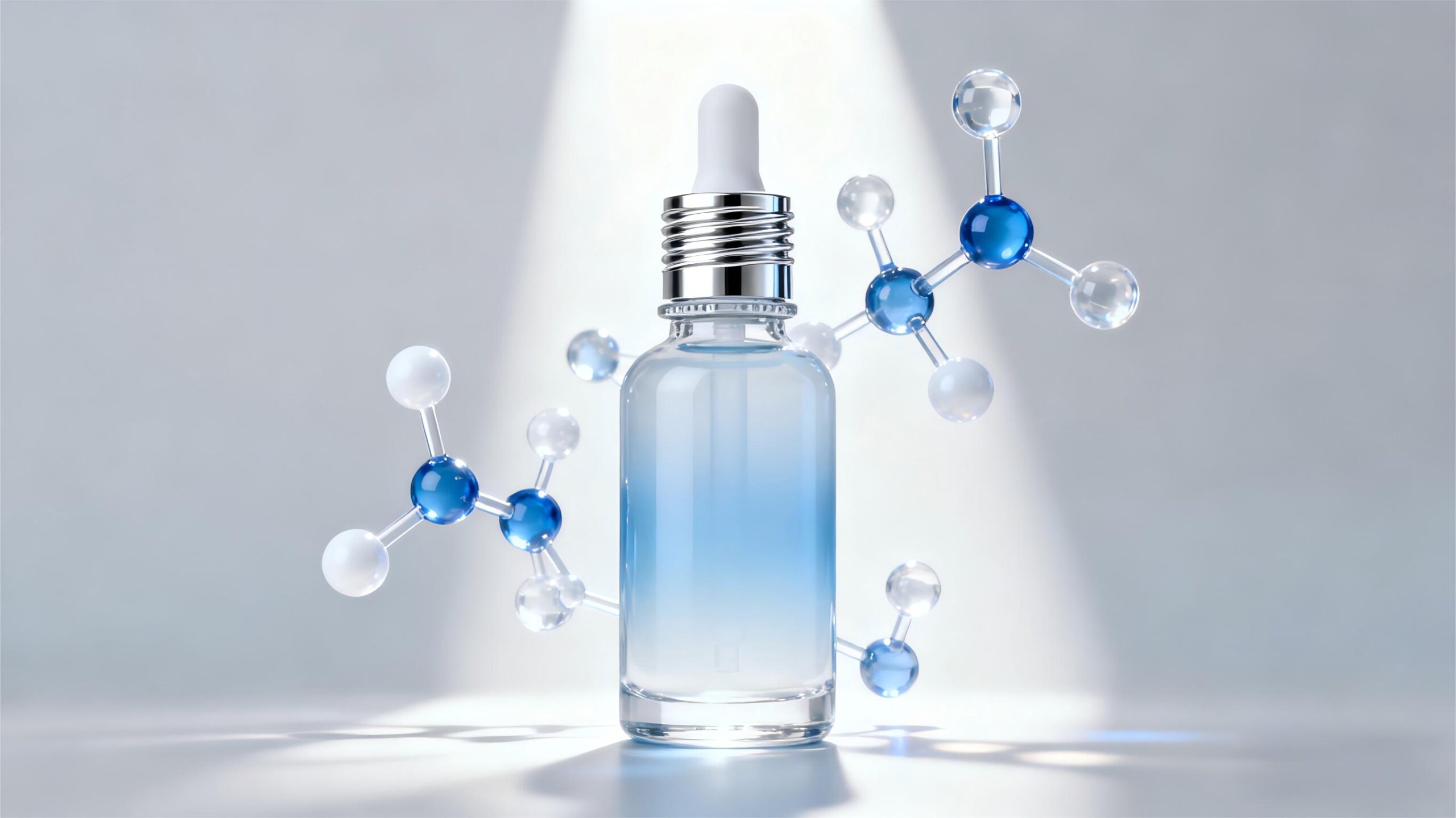
Smaller peptide molecules, however, have a greater ability to diffuse through the superficial barrier, particularly when delivered in optimized serum formulations containing penetration-enhancing humectants and emulsifiers.
Although cosmetic peptides do not penetrate as deeply as injectable treatments or pharmaceuticals, many low molecular weight peptides are capable of reaching the viable epidermis, where they may participate in cellular signaling pathways that support healthier skin.
This makes peptide engineering one of the fastest-growing areas of cosmetic ingredient research.
Cell Signaling Instead of Simple Hydration
One of the most exciting aspects of peptides is that they function differently from traditional moisturizing ingredients.
Rather than simply supplying hydration, peptides act as biological messengers.
Certain bioactive peptides are believed to mimic fragments naturally produced during collagen turnover. These peptide fragments can be recognized by skin cells, particularly fibroblasts, as signals associated with tissue remodeling.
Fibroblasts are responsible for producing many of the skin’s structural proteins, including:
- Collagen
- Elastin
- Fibronectin
- Glycosaminoglycans
When these cells receive appropriate biochemical signals, they help maintain the extracellular matrix—the supportive scaffold that gives skin its firmness, elasticity, and resilience.
Research on bioactive peptides suggests they may help support the skin’s natural synthesis of extracellular matrix components. While evidence for oat-derived peptides specifically is still emerging, their amino acid composition and bioactive properties make them promising candidates for cosmetic formulations aimed at improving skin quality over time.

Supporting the Skin’s Extracellular Matrix
The extracellular matrix (ECM) is a complex network composed primarily of:
- Collagen fibers
- Elastin fibers
- Proteoglycans
- Hyaluronic acid
- Structural glycoproteins
Together, these components maintain:
- Skin firmness
- Elasticity
- Mechanical strength
- Smooth surface texture
Unfortunately, aging, ultraviolet (UV) radiation, pollution, and oxidative stress gradually degrade this matrix.
As collagen production slows, the skin begins to develop:
- Fine lines
- Wrinkles
- Sagging
- Reduced elasticity
- Rough texture
Cosmetic peptides are increasingly incorporated into formulations because they may help support the skin’s own maintenance and renewal processes, complementing ingredients that protect against environmental damage.
Synergy with Hydration
One overlooked benefit of healthy collagen networks is improved water retention.
A well-organized extracellular matrix provides structural support for molecules such as hyaluronic acid and other glycosaminoglycans that bind substantial amounts of water.
This means skin supported by a healthier matrix often appears:
- Plumper
- Smoother
- More elastic
- Better hydrated
Avena sativa peptides therefore contribute to hydration in a different way than traditional humectants.
Instead of merely attracting water to the skin surface, they help support the biological architecture that enables long-term moisture balance.
The Role in Skin Brightening
Skin brightness is influenced by more than pigmentation alone.
When collagen networks weaken, light scatters unevenly across the skin surface, creating a dull appearance.
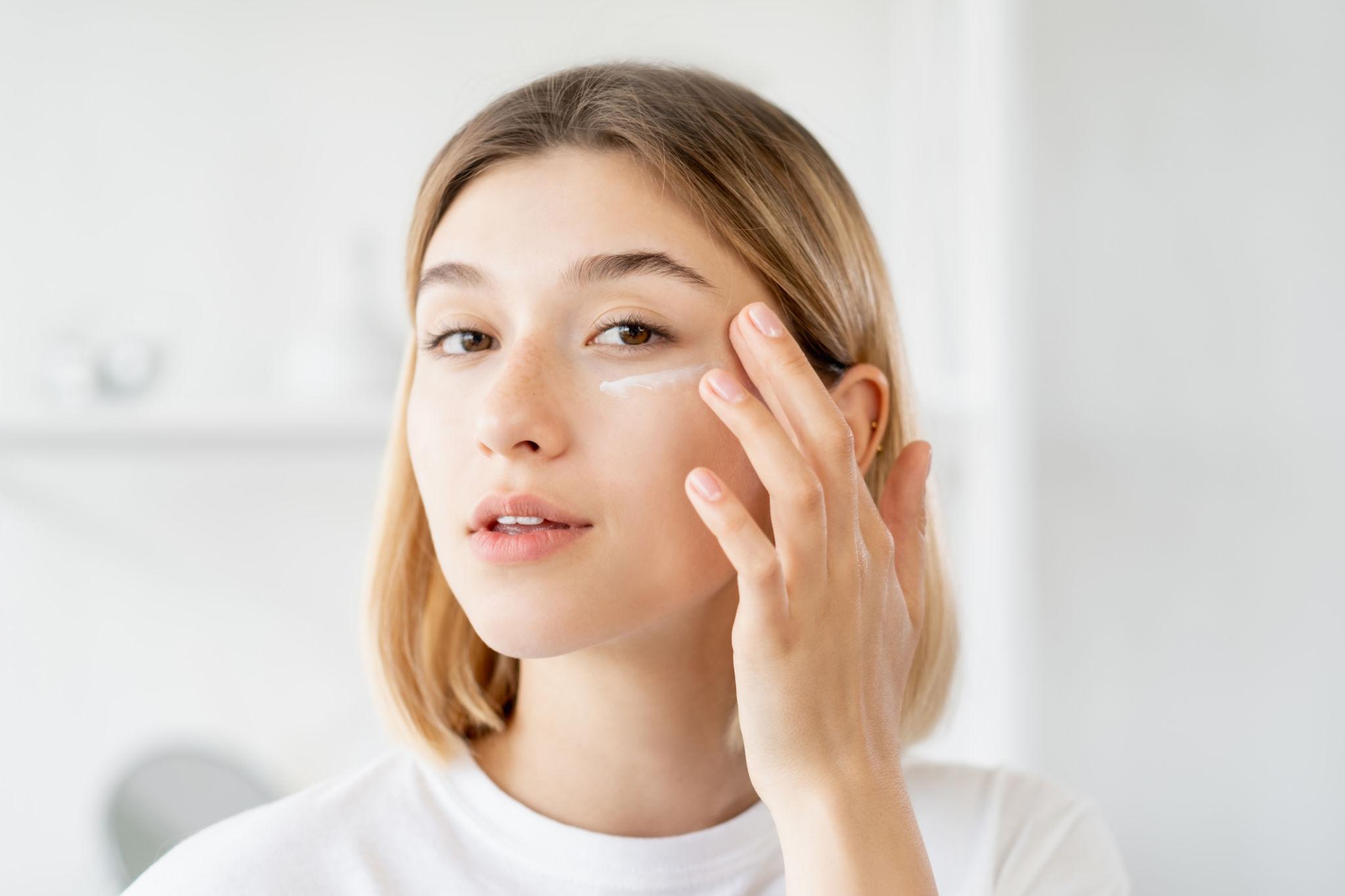
By supporting smoother skin texture and reinforcing structural integrity, peptide-containing formulations can improve overall skin radiance through enhanced light reflection.
For this reason, Avena sativa peptides pair well with established brightening ingredients such as:
- Niacinamide
- Alpha arbutin
- Tranexamic acid
- Licorice root extract
- Vitamin C derivatives
These combinations address multiple pathways involved in achieving a brighter complexion, including pigmentation, barrier health, hydration, and skin texture.
Why Serum Delivery Matters
Serums are particularly effective vehicles for peptide ingredients because they are typically formulated with:
- Low-viscosity textures
- High concentrations of active ingredients
- Efficient delivery systems
- Fast absorption profiles
This allows Avena sativa peptides to be delivered in close contact with the skin, where they can support hydration and overall skin quality as part of a well-designed formulation.
When combined with barrier-supportive ingredients such as glycerin, beta-glucan, ceramides, and hyaluronic acid, peptide serums offer a comprehensive approach to maintaining healthy, resilient skin.
Strategic Application in Serum Hydration and Serum Whitening
Avena sativa peptide has become a valuable multifunctional ingredient in modern serum formulations because it supports several key aspects of skin health simultaneously.
Serum Hydration
In hydrating serums, Avena sativa peptide complements traditional humectants by helping support the skin’s structural matrix while reinforcing barrier function. This dual approach contributes to smoother, firmer-feeling skin and improved long-term moisture retention.
Serum Whitening
In brightening serums, the peptide works alongside depigmenting ingredients by enhancing overall skin quality. While it does not directly inhibit melanin production, its support for skin renewal, hydration, and surface smoothness can improve the appearance of radiance and contribute to a more even-looking complexion over time.
Its multifunctional nature makes it an excellent addition to formulations that aim to hydrate, strengthen, and visibly improve skin appearance in a single product.
Conclusion
Not all oat-derived ingredients perform the same function. Traditional oat extracts remain exceptional for calming irritation, strengthening the skin barrier, and delivering antioxidant protection at the skin’s surface. In contrast, Avena sativa peptides represent a newer generation of bioactive ingredients designed to go beyond surface care.
Thanks to their lower molecular weight and peptide-based structure, these specialized oat-derived compounds are formulated to interact more effectively with the skin’s upper viable layers, where they may support natural cellular communication involved in maintaining the extracellular matrix. By complementing hydration with structural support, they contribute to skin that appears smoother, firmer, and more resilient.
As peptide research continues to advance, Avena sativa peptides are emerging as a valuable addition to premium hydrating and brightening serums, offering a science-driven approach to healthier-looking skin that extends beyond traditional moisturization.
References
- Gehring W. (2004). Oat avenanthramides—unique polyphenols with antioxidant and anti-inflammatory properties. Cosmetic & Toiletries.
- Cerio R, Dohil M, Jeanine M, Magina S, Mahé E, Stratigos A. (2010). Mechanism of action and clinical benefits of colloidal oatmeal for dermatologic practice. Journal of Drugs in Dermatology, 9(9), 1116–1120.
- Fowler JF Jr. (2014). Colloidal oatmeal formulations and the treatment of atopic dermatitis. Journal of Drugs in Dermatology, 13(9), 1049–1052.
- Proksch E, Brandner JM, Jensen JM. (2008). The skin: an indispensable barrier. Experimental Dermatology, 17(12), 1063–1072.
- Schagen SK. (2017). Topical peptide treatments with effective anti-aging results. Cosmetics, 4(2), 16.