

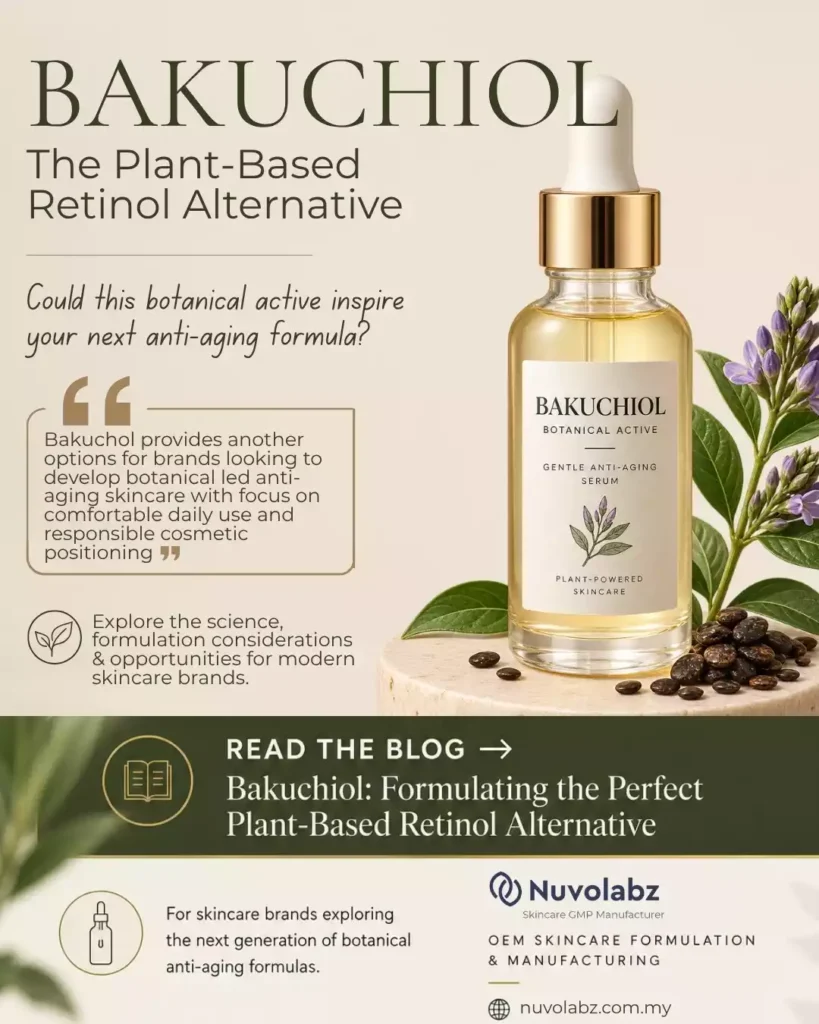
Consumers are increasingly interested in skincare that combines visible signs of skin improvement with a comfortable daily-use experience. This has created growing interest in botanical and plant-derived ingredients that can be incorporated into modern anti-aging routines.
Among these ingredients, bakuchiol has become particularly notable. Often described as a plant-based alternative to retinol, bakuchiol is a naturally derived compound that has been studied for its potential to improve the appearance of fine lines, wrinkles, pigmentation and overall skin texture. Unlike retinoids, bakuchiol is not a vitamin A derivative, although research suggests that it may influence some biological pathways associated with retinoid activity.
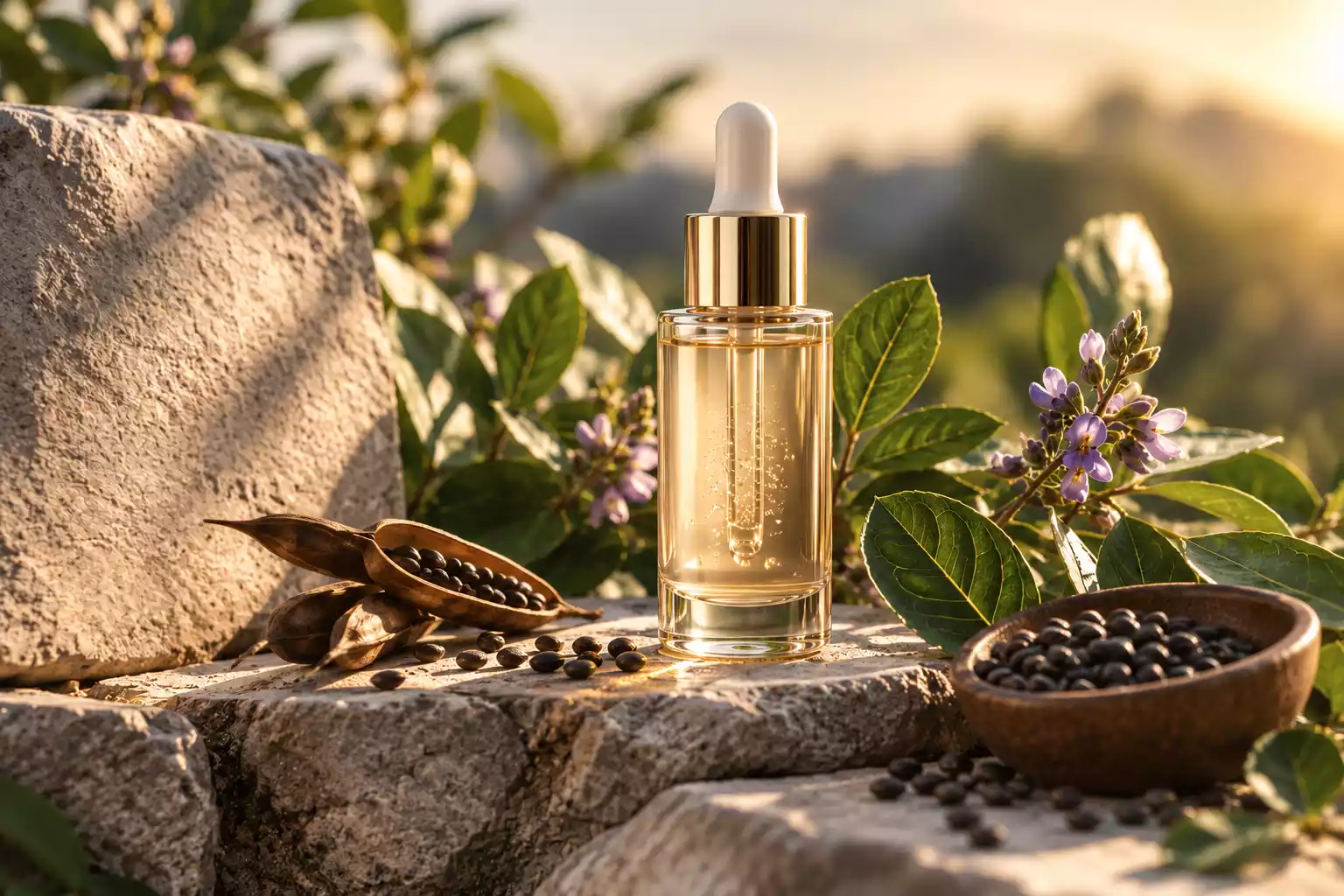
For skincare brands, this presents an interesting opportunity: developing an anti-aging product positioned around a botanical active while keeping the formulation suitable for consumers who may be cautious about the dryness, scaling or stinging sometimes associated with traditional retinoid-based products.
What Is Bakuchiol?
Bakuchiol is a botanical compound commonly obtained from Psoralea corylifolia, also known as babchi. Although its chemical structure is different from retinol, research has investigated its retinol-like effects on the skin.
A systematic review of published literature found that bakuchiol has been studied primarily in areas including photoaging, acne and post-inflammatory hyperpigmentation. The review concluded that early clinical evidence was promising, while also noting that additional research is needed to better establish its applications.
This distinction is important for responsible skincare communication. Bakuchiol should not simply be presented as an identical replacement for retinol. Instead, it can be positioned as a plant-derived cosmetic active that offers an alternative approach to developing anti-aging skincare.
Bakuchiol vs. Retinol: What Does the Evidence Say?
One of the most frequently cited clinical studies compared topical bakuchiol with retinol over 12 weeks.
The randomized, double-blind study involved 44 participants. The bakuchiol group used a 0.5% bakuchiol cream twice daily, while the retinol group used a 0.5% retinol cream once daily. Both groups demonstrated significant improvements in wrinkle surface area and hyperpigmentation, with no statistically significant difference between the two ingredients for these measured outcomes. Participants using retinol reported more facial scaling and stinging.
These results are encouraging, but they should be interpreted in context. A 12-week study with 44 participants does not establish that bakuchiol is equivalent to retinoids for every skin concern, every concentration or every formulation. It does, however, provide useful evidence supporting bakuchiol as an ingredient worth considering when developing cosmetic products focused on the appearance of photoaging.
For OEM and private-label brands, this balanced evidence can actually be an advantage. Rather than relying on exaggerated “retinol replacement” messaging, brands can build a more credible story around botanical innovation, skin comfort and evidence-informed formulation.
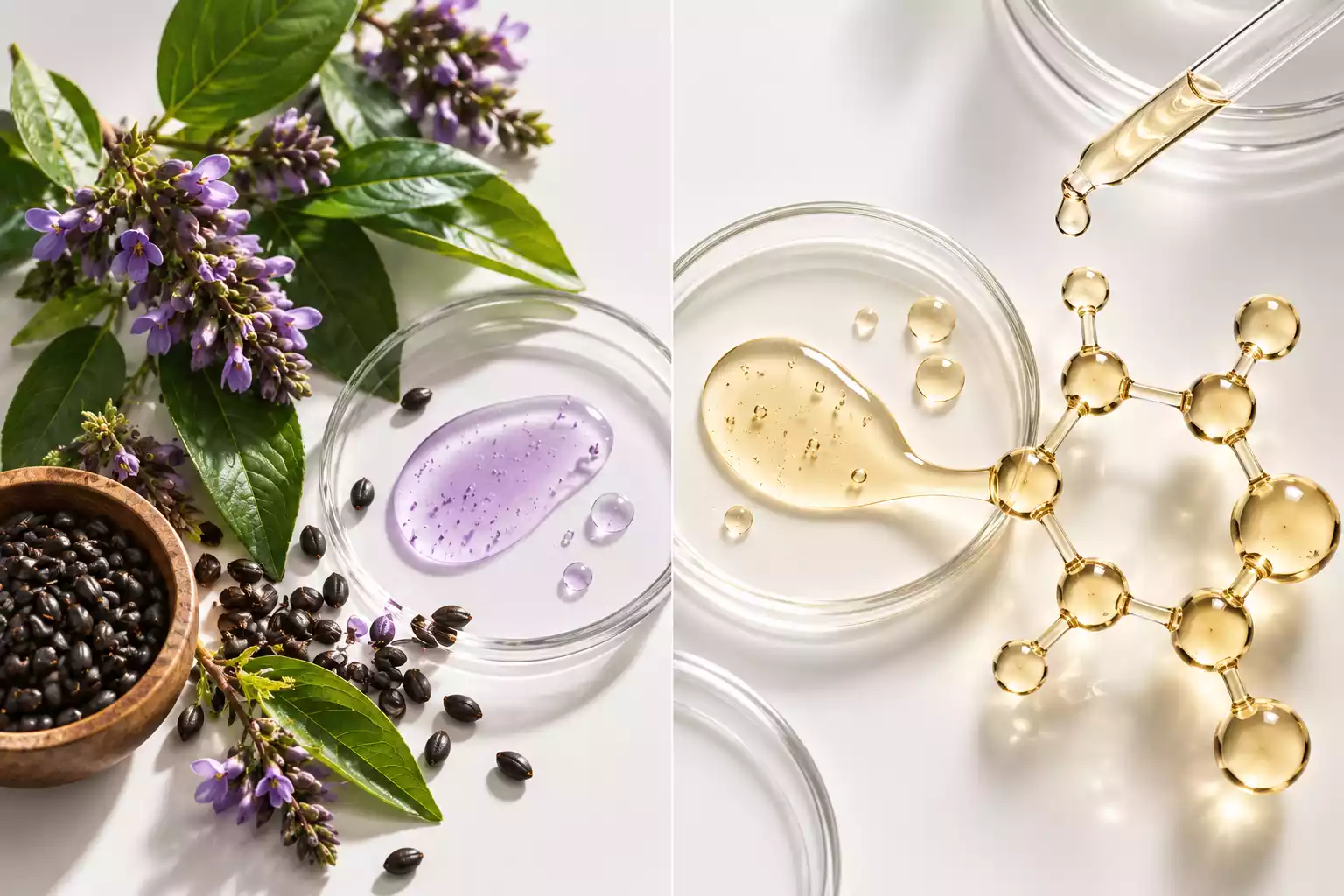
Why Bakuchiol Works Well for Gentle Anti-Aging Concepts
Traditional retinoid routines can be difficult for some consumers to maintain because irritation-related concerns may affect their product experience. Research comparing bakuchiol and retinol found greater reports of scaling and stinging in the retinol group.
This is one reason bakuchiol is attractive for brands developing products for consumers looking for a gentler-feeling anti-aging routine.
However, “gentle” should not be interpreted as “cannot cause irritation.” Any cosmetic ingredient can potentially cause an unwanted reaction in some individuals, depending on the formulation, concentration and individual skin characteristics. A dermatology systematic review also identified a published case of contact dermatitis associated with bakuchiol.
For formulators, the goal should therefore be optimised tolerability, supported by appropriate formulation development and product testing, rather than an absolute promise of irritation-free performance.
Formulating a Bakuchiol Serum for Today’s Consumers
Bakuchiol can be particularly well suited to serum, lotion and cream formats where a brand wants to communicate a modern, lightweight anti-aging concept.
A successful formula is about more than simply adding a trending active. The overall formulation needs to consider the desired skin feel, stability, compatibility of ingredients, packaging, preservation system and intended product claims.
- Start with the Right Bakuchiol Concept
The appropriate bakuchiol level depends on the intended formula, supplier specifications, supporting technical information and the target market. Rather than selecting a concentration based purely on marketing appeal, OEM development should consider available substantiation and the final product’s performance and tolerability objectives.
- Build a Comfortable Skin Feel
A bakuchiol serum can be designed around a lightweight, fast-spreading texture that works well in a daily skincare routine. A carefully selected emollient and humectant system can help create a moisturised skin feel without making the product overly heavy.
This is especially relevant for brands targeting consumers who want an anti-aging product that fits easily into both morning and evening routines.
- Consider Supportive Ingredients
Bakuchiol does not need to work alone. Depending on the product concept, it can be formulated alongside complementary cosmetic ingredients chosen to support moisturisation, skin conditioning and the appearance of a healthy, smooth complexion.
For example, a brand might explore combinations involving humectants, barrier-supportive ingredients, antioxidants or other botanical actives. The specific combination should be selected based on formulation compatibility, stability, testing and the desired cosmetic claims.
- Pay Attention to Packaging and Product Stability
Packaging plays an important role in maintaining the quality of a finished skincare product. The final packaging format should be selected according to the formula’s stability requirements, usage pattern and overall brand positioning.
An airless pump, treatment bottle or other suitable packaging format may also contribute to a premium product experience while supporting practical product dispensing.
- Match Claims to Evidence
This is particularly important when developing anti-aging skincare.
In Malaysia, NPRA states that cosmetic claims should be supported by substantial evidence and/or the cosmetic formulation itself. Cosmetic advertising should also not make medicinal claims or claims beyond the scope of cosmetics.
That means claims such as:
- “Helps improve the appearance of fine lines”
- “Helps skin look smoother and more even”
- “Helps improve the appearance of uneven skin tone”
- “Botanical alternative for an anti-aging skincare routine”
may be more appropriate starting points than absolute claims such as “reverses ageing,” “replaces prescription retinoids,” or “guaranteed irritation-free.”
All claims ultimately need to be assessed against the finished formula, available substantiation and the requirements of the target market.
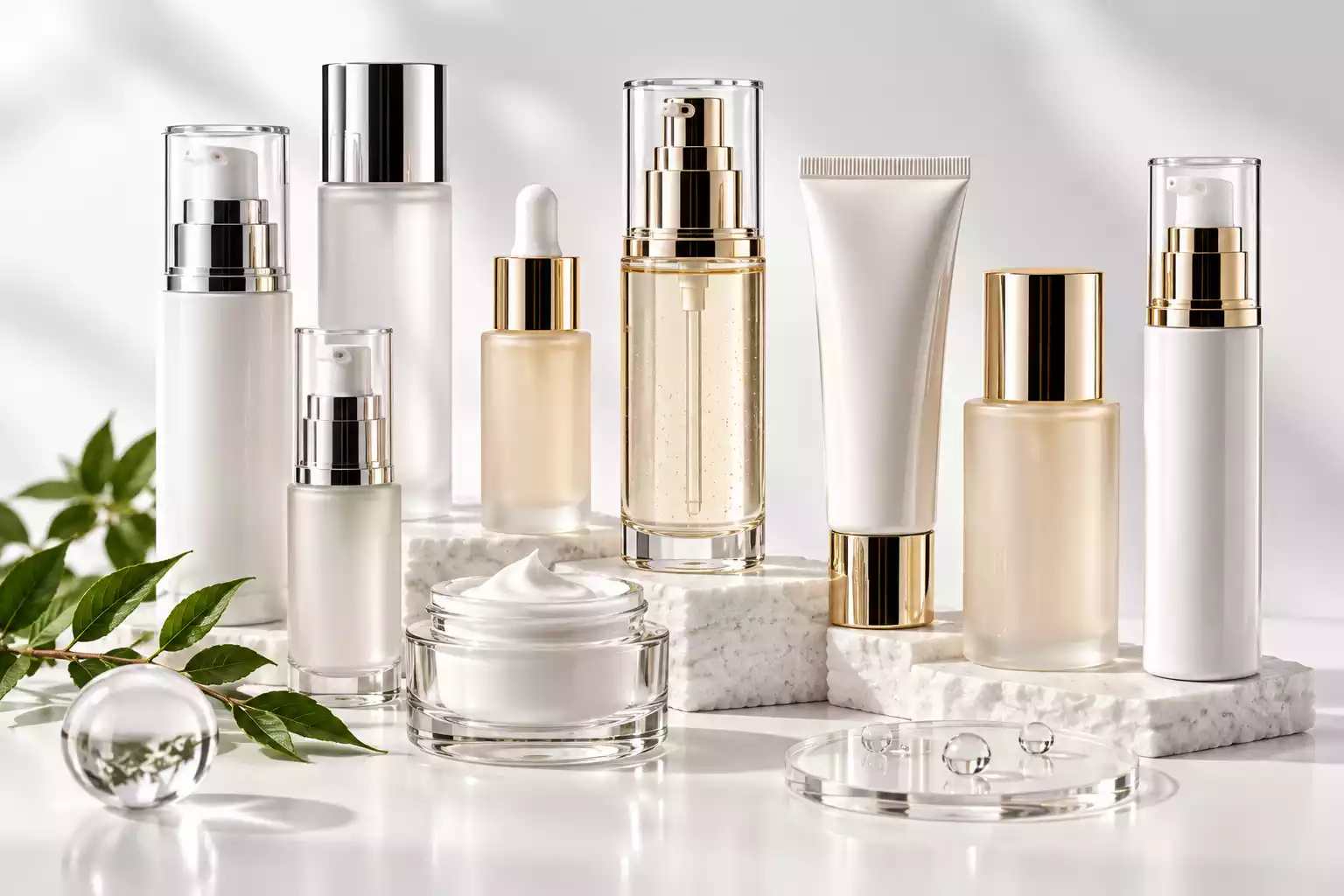
Why Bakuchiol Is an Interesting Opportunity for OEM Skincare Brands
Bakuchiol offers more than a botanical ingredient story. It gives brand owners another way to approach one of skincare’s most established categories: anti-aging and skin-renewal products.
A bakuchiol serum can be developed around several commercially relevant positioning directions, including:
Botanical Anti-Aging
A plant-derived active positioned for consumers seeking a modern alternative to traditional retinol-focused routines.
Gentle Daily Skincare
A formulation concept focused on comfortable daily use and skin-conditioning benefits.
Clean-Beauty Inspired Formulas
A botanical-led concept for brands whose customers are interested in plant-derived ingredients.
Premium Treatment Serums
Bakuchiol can serve as a hero active within a more sophisticated formula combining hydration, conditioning and other complementary ingredients.
The strongest concept depends on the brand’s target consumer, price point, market and desired product story.
How Nuvolabz Can Support Bakuchiol Product Development
For brand owners, turning an ingredient trend into a commercially viable skincare product requires more than choosing an active ingredient. The formula must translate the ingredient into a pleasant, stable and market-appropriate product.
At Nuvolabz, bakuchiol can be incorporated into an OEM skincare development approach tailored to the brand’s product concept. This can include developing serum and other skincare formats around the desired texture, ingredient combination, positioning and target consumer.
The objective is not simply to put bakuchiol on an ingredient list. It is to create a finished skincare product where the active, texture, sensory experience, packaging and cosmetic claims work together.
For brands considering a bakuchiol product, this creates opportunities to explore concepts such as lightweight bakuchiol serums, daily anti-aging emulsions, botanical treatment creams and multi-active facial treatments.
A More Considered Approach to Plant-Based Anti-Aging
Bakuchiol is not a reason to dismiss retinol or other retinoids. Instead, it provides another option for brands looking to address the growing interest in botanical skincare and gentler-feeling anti-aging routines.
The existing clinical evidence is encouraging, particularly regarding improvements in the appearance of wrinkles and hyperpigmentation and the tolerability findings from the small 12-week comparative trial. At the same time, the research base remains more limited than that for established retinoids, making careful formulation and responsible marketing especially important.
For OEM skincare development, that balance is valuable. Bakuchiol can be positioned as an evidence-informed plant-derived active rather than an exaggerated “miracle retinol replacement.”
With the right formulation strategy, it can become the foundation for a modern anti-aging product designed around botanical appeal, comfortable use and credible cosmetic positioning.
Develop Your Bakuchiol Skincare Concept with Nuvolabz
Looking to develop a bakuchiol serum or plant-based anti-aging skincare product for your brand?
Nuvolabz can help turn your product concept into an OEM formulation tailored to your target market, desired texture and positioning. From ingredient selection and formulation development to the finished product concept, a well-planned formulation can help your brand enter the growing botanical skincare space with a more considered approach.
Talk to Nuvolabz about developing your next bakuchiol skincare concept.
References
- Dhaliwal S, Rybak I, Ellis SR, et al. Prospective, randomized, double-blind assessment of topical bakuchiol and retinol for facial photoageing. British Journal of Dermatology. 2019;180(2):289–296.
- Puyana C, et al. Applications of bakuchiol in dermatology: Systematic review of the literature. Journal of Cosmetic Dermatology. 2022.
- Chaudhuri RK, Bojanowski K. Bakuchiol: A retinol-like functional compound revealed by gene expression profiling and clinically proven to have anti-aging effects. International Journal of Cosmetic Science. 2014;36(3):221–230. Listed in the systematic review’s references.
- National Pharmaceutical Regulatory Agency (NPRA), Malaysia. Guideline for Cosmetic Claims, Annex I, Part 8.
- National Pharmaceutical Regulatory Agency (NPRA), Malaysia. Guideline for Cosmetic Advertisement, Annex I, Part 10.
- National Pharmaceutical Regulatory Agency (NPRA), Malaysia. Regulatory Requirements for Cosmetics – Cosmetic Claims.